-
 1 × $25.00
Subtotal: $25.00

Designed for anglers who value dependable performance, HOLLOW TIP is presented as a practical solution for fishing situations where control, sensitivity, and consistency are important. Rather than relying on unnecessary complexity, this design is focused on delivering a balanced fishing experience that can be adapted to different techniques and conditions.
Whether a productive day is being planned on a quiet freshwater lake or a more demanding session is being prepared for changing conditions, the right equipment can make every cast more enjoyable. With that in mind, this product has been developed around functionality and ease of use.
Moreover, a carefully considered tip design can provide anglers with greater awareness of what is happening at the end of the line. Subtle movements can be easier to notice, while lure presentation can be maintained with greater confidence.
Versatility is especially valuable when several techniques may be used during one fishing trip. Different lures, presentations, and target species can require changes in casting style and control. Consequently, equipment that can accommodate different approaches can help simplify preparation.
HOLLOW TIP can be incorporated into a well-rounded fishing setup where sensitivity and responsive handling are valued. Its design can be appreciated by beginners who are developing their technique as well as experienced anglers who understand the importance of controlled equipment.
At the same time, a balanced setup can reduce unnecessary effort throughout a long session. Better control may allow casts to be placed more deliberately, while improved awareness can help anglers react when a fish interacts with the presentation.
The tip represents an important part of many fishing setups because it can influence how movement is transferred between the angler and the terminal tackle. Every twitch, retrieve, pause, and change in pressure can be affected by the responsiveness of the equipment being used.
For that reason, a well-designed tip can contribute to a more connected fishing experience. When a lure is moved through the water, changes in resistance can be communicated through the setup. Likewise, light contact or unusual movement may become easier to recognize.
This can be particularly useful when finesse presentations are being used. Small changes in lure movement often matter when fish are cautious or when water conditions are clear. Therefore, having equipment that supports sensitivity can be beneficial.
Successful fishing is not always about casting as far as possible. Instead, accuracy, timing, and presentation are often equally important.
With a responsive setup, greater attention can be given to how a lure behaves. A slow retrieve can be monitored more effectively, while subtle movements can be introduced without excessive effort.
Furthermore, different retrieval speeds can be explored without completely changing the setup. This flexibility can be useful when fish behavior changes throughout the day.
A productive fishing session may involve several techniques. One moment may be spent working a lure close to cover, while the next may require an open-water presentation. Equipment that allows these adjustments to be made naturally can become a valuable part of an angler’s collection.
When lighter presentations are being used, sensitivity becomes especially important. Smaller movements can be created with greater control, while contact with structure or the bottom can be monitored more closely.
Because finesse fishing often relies on subtle action, excessive stiffness or poor feedback can make it difficult to understand what is happening below the surface. A responsive design can therefore provide a more informative connection.
Accurate casting can be supported by equipment that feels predictable throughout the casting motion. Once the angler becomes familiar with the setup, consistent timing can be developed.
Additionally, controlled casting can help reduce wasted movement. Lures can be placed closer to likely holding areas, including vegetation edges, structure, drop-offs, and other productive zones.
A lure’s effectiveness can depend heavily on how it is retrieved. Fast, slow, steady, or irregular movements may be tested depending on the conditions.
With a responsive setup, those changes can be introduced with greater confidence. Consequently, anglers can experiment with different presentations instead of relying on one repetitive technique.
Fishing can involve several hours of casting, retrieving, repositioning, and repeating the process. Therefore, comfort should not be overlooked when equipment is being selected.
A balanced setup can help the angler maintain control without creating unnecessary fatigue. When equipment feels natural in the hands, attention can remain focused on the water rather than on adjusting the setup.
This can be especially valuable during active fishing periods when repeated casts are required. Over time, small improvements in handling can make the overall experience more enjoyable.
HOLLOW TIP can be considered as part of a broader fishing system rather than an isolated piece of equipment. Depending on the specific configuration, it can be paired with suitable reels, lines, leaders, and terminal tackle.
Before purchase, anglers should always confirm the specifications of their existing equipment. Line capacity, lure requirements, power ratings, action characteristics, and compatibility should be reviewed so that the complete setup can be matched appropriately.
Fishing conditions can change quickly. Wind may increase, water clarity may shift, and fish may move from one area to another. A versatile setup can help anglers respond without completely rebuilding their equipment.
During calm conditions, subtle presentations can be emphasized. When wind or current becomes stronger, adjustments in lure weight and retrieval style can be made as needed.
Moreover, different water environments can place different demands on fishing equipment. Lakes, rivers, reservoirs, ponds, and coastal environments may each require distinct approaches.
Freshwater anglers can benefit from equipment that can be adapted to common techniques used for species such as bass, crappie, trout, walleye, and other game fish.
The appropriate setup will depend on the target species, local regulations, lure selection, and environmental conditions. Nevertheless, a responsive tip can be useful whenever presentation control and feedback are important.
Fish are frequently found around areas that provide shelter or access to food. Vegetation, rocks, docks, submerged timber, and changes in depth can all become productive locations.
When fishing around structure, accuracy becomes increasingly important. A controlled setup can help an angler place a lure into promising areas while maintaining awareness of what is happening during the retrieve.
A strong fishing setup is created through compatibility rather than through one component alone. The rod, reel, line, leader, lure, and terminal tackle should work together.
For example, line selection can influence casting distance, sensitivity, knot performance, and lure control. Fluorocarbon can provide useful characteristics for certain applications, while braided line can offer strength and sensitivity. Monofilament may also remain an appropriate option for particular techniques.
Similarly, lure selection should be matched to the equipment. Soft plastics, jigs, crankbaits, spinnerbaits, topwater presentations, and other lure categories can require different approaches.
Line selection should be based on the intended application. Species size, cover, water clarity, lure weight, and fishing technique should all be considered.
A lighter line can provide a more subtle presentation, whereas heavier line may be preferred around dense cover or larger fish. Consequently, the ideal configuration will vary between anglers and fishing environments.
Hooks, snaps, swivels, weights, and leaders can all influence the final presentation. Properly matched terminal tackle can help maintain lure movement while reducing unnecessary complications.
Anglers should also inspect their terminal tackle regularly. Sharp hooks and secure connections should be maintained because small components can have a major impact when a fish finally strikes.
A product should provide value beyond its specifications. It should also make fishing easier, more enjoyable, and more productive.
HOLLOW TIP is positioned around those practical considerations. Its performance-oriented design can help anglers focus on technique while maintaining a comfortable connection with their tackle.
Confidence can influence decision-making during a fishing session. When equipment feels predictable, anglers can spend more time concentrating on lure placement, fish behavior, and environmental changes.
That confidence can become particularly valuable when a promising area is being worked carefully. Rather than repeatedly changing equipment, anglers can focus on refining the presentation.
New anglers often benefit from equipment that provides clear feedback. Learning how a lure moves, how bottom contact feels, and how fish interact with a presentation can accelerate practical understanding.
Meanwhile, experienced anglers can use responsive equipment to fine-tune techniques they already understand.
Proper care should be provided so the equipment can remain dependable over time. After each fishing session, basic inspection should be performed.
Dirt, sand, moisture, and other debris should be removed where appropriate. Connections should be checked, and the equipment should be stored in a clean, dry environment.
Additionally, excessive pressure or misuse should be avoided. Manufacturer guidelines should always be followed because maintenance requirements can vary depending on the exact configuration.
When the fishing session has ended, equipment should be stored safely rather than left exposed to unnecessary moisture or extreme conditions.
Protective storage can help prevent accidental damage. Rod sections, guides, reels, and terminal components should be checked before the next trip.
By developing a consistent maintenance routine, anglers can help preserve the performance and appearance of their equipment.
HOLLOW TIP can be considered by a broad range of anglers who are looking for responsive handling and adaptable performance.
It may be particularly suitable for:
Because fishing preferences differ from person to person, the final choice should always be based on the intended application and equipment specifications.
Fishing success can sometimes depend on very small details. A lure moving naturally, a cast landing close to structure, or a subtle change being recognized at the right moment can all influence the outcome of a session.
For that reason, equipment selection deserves careful consideration.
A responsive setup can make those small details easier to monitor. In turn, anglers can make more informed adjustments throughout the day.
Whether a quiet morning is being spent exploring a familiar lake or a full day is being dedicated to learning a new technique, dependable equipment can provide the foundation for a more enjoyable experience.
HOLLOW TIP is designed around responsive handling, presentation control, and versatile fishing applications. Its suitability will depend on the specific model and configuration being considered.
Yes, its versatile design can support different approaches when the setup is properly matched with the lure, line, reel, and target species.
It can be considered by beginners who want equipment that supports learning and technique development. At the same time, experienced anglers can appreciate responsive handling and presentation control.
After use, the equipment should be inspected and cleaned according to the manufacturer’s recommendations. Moisture and debris should be removed, while safe storage should be provided between fishing trips.
The intended fishing technique, target species, lure weight, line selection, reel compatibility, fishing environment, and relevant product specifications should all be considered.
The right fishing equipment should support the way an angler actually fishes. HOLLOW TIP is positioned as a versatile, performance-focused option where responsiveness, control, and practical handling are valued.
Rather than focusing solely on specifications, attention can be placed on the complete fishing experience. Better feedback can support improved presentation, while balanced handling can make repeated casts more comfortable.
Furthermore, its adaptable nature can make it a useful addition to a broader tackle collection. From developing fundamental techniques to refining advanced presentations, the right equipment can help anglers approach each session with greater confidence.

Fishing equipment is often evaluated by specifications, yet real-world performance is equally important. A setup that feels balanced and predictable can allow greater attention to be placed on the presentation rather than on the equipment itself.
For anglers who spend considerable time on the water, responsiveness can become particularly valuable. Small changes in pressure, lure movement, structure, or current can provide useful information when the setup is capable of transmitting those changes effectively.
Rather than forcing one technique, a versatile design can be adapted to different situations. This flexibility can be useful when fish behavior changes throughout the day.
Sensitivity is frequently associated with the ability to recognize subtle changes through the fishing setup. Bottom contact, vegetation, light taps, and changes in lure resistance can sometimes be detected more clearly with responsive equipment.
As a result, anglers can make adjustments sooner. A retrieve can be slowed, accelerated, paused, or redirected depending on what is being experienced.
Additionally, improved feedback can support better technique development. Beginners can learn how different underwater environments feel, while experienced anglers can refine familiar presentations.
No single configuration is ideal for every environment. Water depth, current, wind, vegetation, structure, and target species can all affect equipment selection.
Therefore, the best results are generally achieved when the complete setup is matched to the conditions.
When water conditions are calm, subtle presentations can be especially effective. Lighter movements can be introduced, and longer pauses can be incorporated into the retrieve.
A responsive setup can make those delicate movements easier to control. Furthermore, increased awareness can help the angler recognize when the lure encounters the bottom, vegetation, or another underwater feature.
Wind can introduce additional challenges. Casting accuracy may be reduced, line control can become more difficult, and lure movement may be affected.
In such situations, adjustments may be made to lure weight, casting angle, line choice, and retrieval speed. A balanced setup can help these changes feel more manageable.
Consequently, anglers can remain productive even when conditions become less predictable.
Rivers and streams introduce current, which can alter how a lure behaves. Water pressure can cause the presentation to drift, rise, or move differently from its behavior in still water.
For this reason, greater attention may need to be given to line angle and lure position. A responsive setup can help changes in resistance be monitored throughout the retrieve.
Distance is only one aspect of an effective cast. Accuracy can be equally important, particularly when fish are positioned around cover or structure.
A controlled casting motion can be developed through consistent practice. Instead of attempting maximum distance on every cast, anglers can focus on smooth acceleration and precise lure placement.
Fish may frequently be encountered around changes in depth, vegetation, rocks, submerged objects, docks, and other forms of structure.
These locations can be approached with deliberate casting.
When a lure is placed closer to a productive zone, more of the retrieve can be spent in an area where fish are likely to be present. Therefore, precision can sometimes be more valuable than simply increasing casting distance.
Casting accuracy is developed over time. Repeated practice can improve timing, release control, and distance judgment.
With a familiar setup, anglers can gradually learn how much force is required for different casting situations. As confidence increases, more precise presentations can be attempted.
This learning process can be particularly useful for anglers who are still developing their fishing style.
A lure’s movement can strongly influence how fish respond. For that reason, presentation should be adjusted rather than treated as a fixed process.
Different retrieves can be tested until a productive pattern is discovered.
A slower retrieve can be useful when fish are less active or when a lure is intended to remain within a specific strike zone for longer.
Small pauses can also be introduced. During these moments, the lure can be allowed to settle or suspend according to its design.
A steady retrieve can be used when fish are actively feeding or when a consistent swimming action is desired.
The speed can be adjusted according to water temperature, depth, lure type, and fish behavior.
A faster presentation can be useful when aggressive fish are being targeted or when larger areas need to be covered quickly.
However, excessive speed can sometimes reduce control. Therefore, the retrieve should be adjusted according to the response being observed.
Fishing near cover can be productive, although additional care is required. Vegetation, timber, rocks, and other obstacles can increase the possibility of snags.
A controlled presentation can help reduce unnecessary contact with obstacles.
When fishing close to structure, casts should be made deliberately. The lure can then be worked through the area while line tension and movement are monitored.
Vegetation can provide shelter and feeding opportunities for fish. However, dense growth can also interfere with lure movement.
Soft plastics, weed-resistant hooks, and other suitable presentations may be selected depending on the environment.
Because every body of water is different, lure and tackle selection should be adapted to local conditions.
Rocky environments can create opportunities for bottom-oriented presentations. Changes in resistance can often occur as the lure moves across rocks.
Careful contact can be maintained without allowing the lure to remain trapped between obstacles.
The fishing line should be selected according to the intended application rather than simply by strength rating.
Monofilament, fluorocarbon, and braided line each offer different characteristics.
Monofilament can provide useful stretch and flexibility. It may be appropriate for certain topwater and general-purpose applications.
Its relatively forgiving characteristics can also make it suitable for anglers who are still developing their technique.
Fluorocarbon is often selected when abrasion resistance and a less visible underwater presentation are desired.
It can be useful around clear water and structure, although the appropriate strength should always be determined by the fishing environment.
Braided line can provide high strength relative to diameter and can offer strong sensitivity.
It may be particularly useful when vegetation, heavy cover, or long-distance casting is involved. A suitable leader can be added when the application calls for one.
A fishing setup performs best when its components complement each other. Reel size, line capacity, gear ratio, and drag performance should therefore be considered alongside the equipment being used.
A properly balanced combination can feel more natural throughout a long fishing session.
The appropriate gear ratio depends on the desired retrieval speed and fishing technique.
Lower ratios can provide increased mechanical advantage for certain applications, while higher ratios can allow line to be recovered more quickly.
There is no universally correct option. Instead, the ratio should be matched to the lure and presentation being used.
A reliable drag system can be important when fish make sudden runs.
The drag should be adjusted according to line strength, hook size, target species, and the surrounding environment. Excessive drag pressure can increase the risk of line failure or hook problems.
Lure selection can be approached according to depth, movement, forage, and fish activity.
Soft plastics may be used for subtle presentations, while crankbaits can be selected when covering water is a priority. Jigs can provide versatility around structure, and topwater lures can create exciting surface presentations.
Soft plastics can be rigged in numerous ways. Their versatility allows anglers to experiment with different weights, hook styles, and retrieval patterns.
Natural colors can be considered in clear water, while stronger contrasts may be tested in stained conditions.
Jigs can be useful for bottom-oriented fishing and structure work. Their weight allows anglers to maintain contact with deeper areas when necessary.
Different trailers can also be added to change the profile and movement.
Hard-bodied lures can be used when vibration, flash, or a more pronounced swimming action is desired.
Their diving characteristics should be matched to the depth being targeted so that the lure spends sufficient time within the intended strike zone.
Fish behavior can change throughout the year. Temperature, available forage, daylight, and water conditions can influence feeding patterns.
Therefore, techniques should be adjusted seasonally.
As water temperatures increase, fish may become more active. Shallow areas can become increasingly attractive, particularly when suitable cover and forage are present.
A combination of slower and faster presentations can be tested.
During warmer periods, fish may change location throughout the day. Early mornings and evenings can provide different opportunities from the hottest part of the afternoon.
Deeper water may become more important depending on the species and environment.
Cooling temperatures can influence feeding behavior. Increased activity may be observed as fish respond to changing forage patterns.
A range of lure speeds can be experimented with until a productive approach is identified.
Cold conditions can reduce activity for many species. Slower presentations and careful lure placement may therefore become more important.
Patience can become a significant part of the strategy.
Consistent maintenance should be treated as part of responsible equipment ownership.
After fishing, equipment should be inspected for dirt, moisture, debris, and signs of wear. Where appropriate, components should be cleaned according to manufacturer recommendations.
Before heading onto the water, anglers should check the overall setup.
Guides, connections, line, knots, reel components, and terminal tackle should be examined.
Any damaged component should be replaced before fishing resumes.
Excessive exposure to moisture, heat, and physical impact should be avoided whenever possible.
During transportation, equipment should be secured properly so accidental damage can be minimized.
Safe storage can also help extend the useful life of the setup.
Quality equipment should be accompanied by responsible angling habits.
Local fishing regulations should always be followed. Size limits, seasonal restrictions, protected species, licensing requirements, and area-specific rules can vary.
Fish should also be handled carefully when release is intended.
Wet hands can be used before handling fish when appropriate, while unnecessary contact with sensitive areas should be avoided.
By practicing responsible fishing, anglers can help protect waterways and support healthy fisheries for future generations.
Before purchasing HOLLOW TIP or adding similar equipment to a tackle collection, several factors should be reviewed.
The intended species should be considered first. Next, the fishing environment, lure selection, line type, reel compatibility, and preferred techniques should be evaluated.
Budget is also important, but value should not be judged by price alone. Durability, versatility, comfort, and compatibility can all influence long-term satisfaction.
Product specifications should always be reviewed before purchase.
Important details may include:
Matching these characteristics to the intended use can help prevent compatibility issues.
Yes, a responsive configuration can be appropriate for finesse-oriented techniques when the lure, line, reel, and overall specifications are properly matched.
That depends on the exact product specifications. The manufacturer’s recommended lure and line ranges should always be respected.
Sensitivity can be valuable because it may help anglers recognize lure movement, structure, bottom contact, and subtle fish interactions.
Casting can be improved through consistent practice, appropriate lure weight, correct reel settings, proper line selection, and smooth casting mechanics.
Yes. Experienced anglers can benefit from responsive handling, controlled presentations, and equipment that can be adapted to different fishing situations.
A successful fishing setup is built around compatibility, confidence, and practical performance. While specifications provide important information, the way equipment feels during actual use should also be considered.
HOLLOW TIP can be incorporated into an adaptable setup where responsiveness and presentation control are valued. With appropriate reel, line, lure, and technique selection, a balanced configuration can be created for a wide range of fishing situations.
Ultimately, the goal should be simple: equipment should help anglers spend more time concentrating on the water and less time worrying about their setup.
Whether a new technique is being learned, a favorite fishing location is being revisited, or an existing tackle collection is being upgraded, thoughtful equipment selection can make each trip more rewarding.
With proper care and responsible use, a well-matched setup can provide dependable service across countless fishing sessions.
Modern search behavior has produced a wide range of terminology surrounding HOLLOW TIP, hollowtips, hollow tips, cartridges, batteries, disposable devices, and related accessories. Because many of these expressions can refer to different products, brands, designs, or informal terminology, clarification can be valuable.
In particular, terms such as hollowtips carts, hollow tips carts, hollowtips battery, hollow tip battery, glass tip carts, wooden tip cartridges, white tip carts, and tip cart can appear in online searches. However, their meanings should not automatically be assumed to be identical.
Meanwhile, variations such as hallow tips, hallow tip, holotips, and halo tip may represent spelling variations rather than separate product categories. Therefore, product specifications and manufacturer information should always be checked before a particular item is identified.
Product terminology is frequently influenced by branding, regional language, online communities, and informal slang. Consequently, the same expression may be used differently from one marketplace or community to another.
For example, terms involving “tip,” “cart,” “pen,” “pod,” or “battery” may describe accessories, hardware, or complete devices. Similarly, expressions such as hollow tips disposable, halo disposable 2g, and halo v3 disposable can be associated with particular product names or device formats rather than a universal technical standard.
A careful distinction between these categories can therefore make online product research considerably easier.
Cartridge-related searches are commonly combined with battery-related searches. This happens because many cartridge-style devices require compatible hardware.
The phrase hollowtips battery, for instance, may be used when someone is searching for a compatible power source. Likewise, hollow tip battery can refer broadly to a battery associated with a particular cartridge or pen-style device.
A cartridge is generally understood as a replaceable container or chamber designed to hold a particular formulation or material, depending on the device.
Terms such as float cartridge, halfpipe carts, wave carts, glass tip carts, and dope carts may therefore appear in searches. Their actual construction and intended use can differ substantially.
For this reason, compatibility should be determined from official specifications rather than from a product name alone.
Battery-operated devices can vary in charging method, connector type, voltage characteristics, capacity, and controls.
Before a battery is paired with a compatible accessory, manufacturer instructions should be reviewed. Incorrect combinations can create performance problems and, in some circumstances, safety concerns.
Therefore, battery specifications should never be inferred solely from similar-looking products.
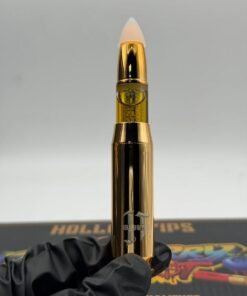
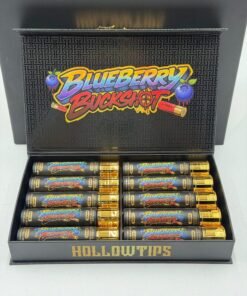
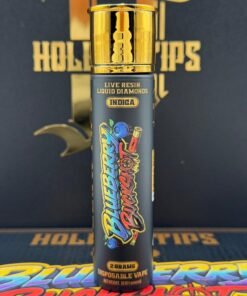
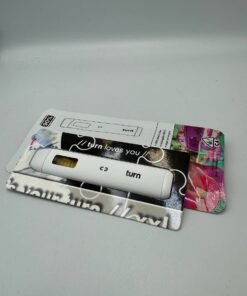
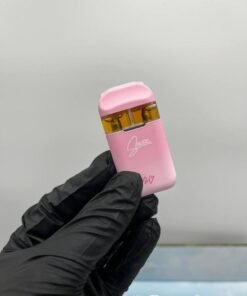
Disposable devices are another frequently searched category. Expressions such as hollow tips disposable, halo disposable 2g, and halo v3 disposable may be used to locate specific device formats.
A disposable product is generally designed around an integrated configuration rather than a repeatedly serviced system. However, construction varies between manufacturers.
Reusable devices can typically involve a rechargeable battery and replaceable component. Disposable systems, by contrast, are generally designed around limited-use functionality.
The environmental impact can also differ. Consequently, disposal instructions should be followed carefully, particularly where batteries or electronic components are involved.
Local recycling and electronic-waste requirements should be consulted whenever applicable.
Searches involving wooden tip carts, wooden tip cartridges brand, and glass tip carts demonstrate how material terminology can influence consumer interest.
Different materials may be associated with different physical characteristics, appearances, or accessory designs.
Wooden components can be selected for aesthetic or tactile reasons in certain accessory categories. Their suitability will depend on construction quality and intended application.
Natural materials can also require different storage considerations. Excessive moisture, heat, or physical pressure should therefore be avoided when recommended by the manufacturer.
Glass is frequently associated with clean visual presentation and rigid construction. Nevertheless, breakage remains a consideration.
Protective storage should be used where appropriate. Cracked, chipped, or damaged glass components should not be used.
A large portion of online searches involves terminology rather than specific products. Words such as cannabis, weed, pot, dope, concentrates, extracts, dabs, wax, and THC can be used interchangeably in casual conversation even though their technical meanings may differ.
Search phrases such as slang words for weed, cannabis slang terms, slang for weed, slang terms for weed, cannabis slang, and slang names for marijuana demonstrate how informal language has developed around cannabis culture.
Terminology can vary significantly by region and generation. As a result, a word that is common in one community may be unfamiliar or carry a different meaning elsewhere.
Educational content should therefore distinguish slang from scientifically recognized terminology.
THC is commonly used as an abbreviation for tetrahydrocannabinol, a cannabinoid associated with the intoxicating effects of cannabis.
Searches including thc def, definition thc, definition of THC, and THC concentrate are generally informational. However, cannabinoid products can differ significantly in composition and legal status.
Applicable local laws should always be reviewed before any cannabis-related product is possessed, used, or discussed in a commercial context.
Cannabinoids are another important area of consumer research.
CBD is commonly used to refer to cannabidiol, while CBC refers to cannabichromene. Both belong to the broader cannabinoid family, but they should not automatically be treated as equivalent substances.
Searches such as cbc cannabinoid, what does CBC do weed, whats CBC in weed, and CBD dabbing reflect consumer interest in cannabinoid terminology.
Cannabinoid content can vary according to formulation, extraction method, testing standards, and manufacturing processes.
Therefore, laboratory documentation and legally required labeling can be more useful than informal descriptions.
Consumers should also be aware that cannabinoid products may interact differently with individuals, medications, and health circumstances.
Terms such as weed extracts, concentrates, weed concentrates, THC concentrates, dab cannabis, dab weed, the dabs, wax for weed, bud wax, weed and wax, and wax and dabs are frequently encountered online.
These expressions can describe concentrated cannabis preparations or informal references to them.
Because concentrations may be substantially different from traditional cannabis flower, product labeling and applicable safety guidance are particularly important.
Searches for kief vs hash are usually educational comparisons.
Kief generally refers to collected resin glands or trichome material, while hash is typically produced by collecting and compressing resin-rich material through various processing methods.
The appearance, texture, potency, and production method can vary considerably.
Search engines also receive large numbers of queries involving strain names. Examples include pineapple fruz strain, tangy twist, lemon slushee, orange crusher strain, zookies strain, blue zkz strain, blueberry muffinz, king louie xiii, hawaiian snow strain, pink champagne strain, purple churros, mango tango strain, and blueberry blast.
Such names can refer to cultivar names, branded names, breeder selections, or informal regional terminology.
The humulene terpene is one example of a naturally occurring terpene associated with various plants, including cannabis.
Terpenes are aromatic compounds that contribute to scent and flavor profiles. However, a terpene name alone should not be interpreted as a reliable indicator of a product’s effects.
Laboratory testing remains the more appropriate source for cannabinoid and terpene composition.
Other searches include terms such as pod’s, tips vape, high tips, cool tip, triangle vape, tip carts, and cart tricks.
These phrases may describe device shapes, accessories, techniques, or informal community terminology.
Because terminology can be ambiguous, consumers should identify the exact manufacturer and model before relying on compatibility information.
Before considering any cartridge, battery, pen, or accessory, attention should be given to:
This information can be used to distinguish genuine technical specifications from informal online descriptions.
Online search results can contain inaccurate, exaggerated, or outdated claims. Therefore, reliable information should be prioritized.
Manufacturer documentation, independent laboratory reports, government information, and applicable regulations can provide stronger evidence than anonymous listings or social-media claims.
A spelling variation such as hallow tips may produce completely different search results from HOLLOW TIP. Similarly, holotrop, holotips, hallow noggin, and other unusual phrases may represent names, slang, or unrelated products.
Consequently, exact spelling should be preserved when researching a particular brand or model.
Certain cannabis-related searches involve questions about personal health, including smoking weed and breastfeeding how long to wait.
Questions involving breastfeeding, pregnancy, medications, or other health circumstances should be directed to a qualified healthcare professional because individual circumstances can materially affect the appropriate guidance.
Similarly, questions about tolerance to magic mushrooms, weed versus shrooms, or other psychoactive substances should be approached carefully. Effects and risks can vary significantly between individuals and substances.
Online anecdotes should not be treated as medical advice. A personal experience cannot reliably establish that a substance is safe or appropriate for another person.
Where health or medication is involved, professional advice should be prioritized.
Searches including how to roll a joint, how to roll a joint by hand with filter, how to rol a joint, rolling the joint, how to roll weed, and how to roll a spliff are commonly associated with cannabis culture.
These phrases can also overlap with searches for terminology, historical practices, or general cultural information.
For educational content, distinctions between terms can be explained without assuming that every reader intends to consume cannabis.
A joint, spliff, blunt, and other terms can refer to different preparation styles depending on region and context.
Because terminology varies, educational material should avoid presenting slang as universal definitions.
Searches can also contain brand-related expressions such as kingpen, kingpen pen, babyjeeter, jeeters, stuzy, seed junky seeds, prospector vapes, daizy’s, citzy, and the pretty dope studio.
Brand names should be verified through official sources because similarly named products and unauthorized listings can sometimes appear online.
When a branded product is being researched, consumers should look for consistent packaging information, official documentation, applicable testing information, and legitimate manufacturer details.
Unexpected spelling errors, missing information, or unusually vague specifications can be warning signs that additional verification is needed.
The phrase can refer to a product name, design characteristic, accessory, or search term. The precise meaning should be confirmed from the manufacturer’s product information.
They may be spelling variations, but they should not automatically be treated as identical. Exact product names and specifications should be checked.
A cartridge generally describes a replaceable container or chamber used with a compatible device. Its purpose and contents can vary by product category.
A battery provides electrical power to compatible electronic equipment. Voltage, capacity, connector type, and charging requirements can vary between models.
THC commonly refers to tetrahydrocannabinol, a cannabinoid associated with cannabis’s intoxicating effects.
CBC, or cannabichromene, is a cannabinoid found naturally in cannabis and other plants. Its properties differ from those of THC and CBD.
Terpenes are naturally occurring aromatic compounds that contribute to the scent and flavor characteristics of many plants.
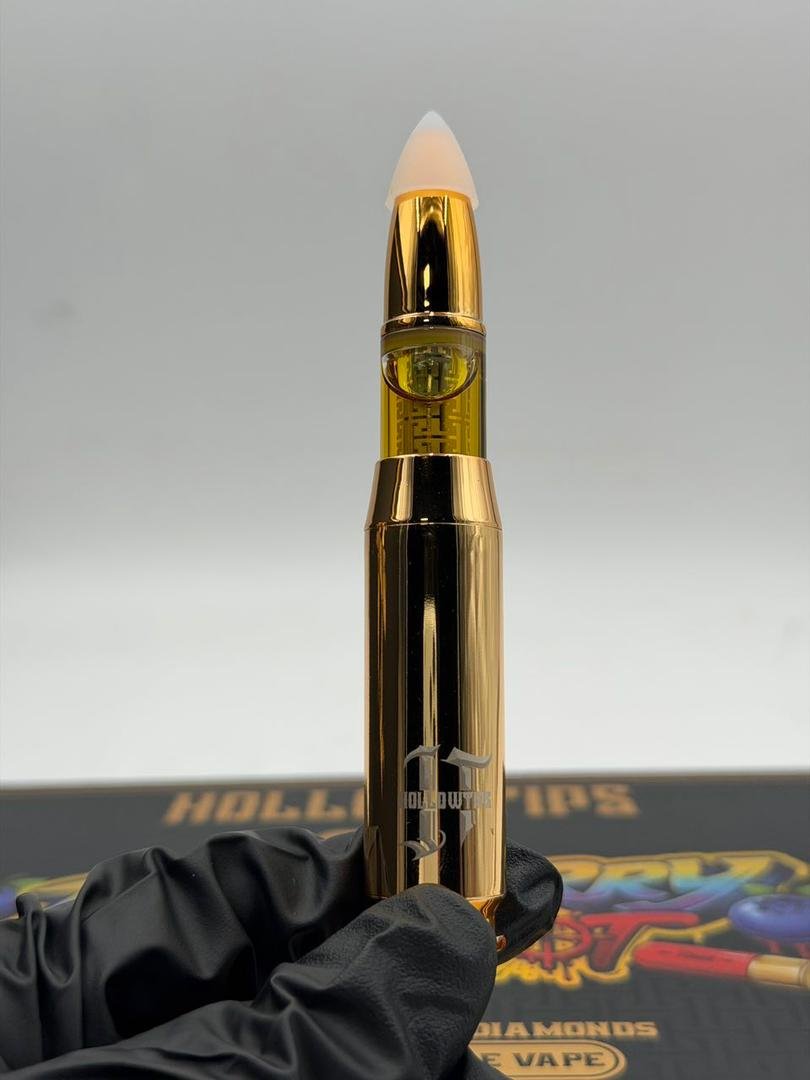
The expanding vocabulary surrounding HOLLOW TIP, cartridges, batteries, disposable devices, cannabinoids, concentrates, cannabis strains, and related accessories can make online research confusing.
Nevertheless, better information can be obtained when exact terminology is separated from slang, spelling variations, brand names, and technical specifications.
Whether a search involves hollowtips battery, glass tip carts, wooden tip cartridges, cannabis slang, THC definitions, CBC terminology, terpene information, or strain names, reliable documentation should be prioritized.
Ultimately, accurate identification should be based on verified specifications rather than assumptions. Product labeling, manufacturer documentation, laboratory information, applicable laws, and professional health guidance can all contribute to more responsible decision-making,
By approaching these topics with clear terminology and careful source evaluation, readers can better understand what they encounter online while avoiding confusion caused by inconsistent names, informal descriptions, and unsupported claims.
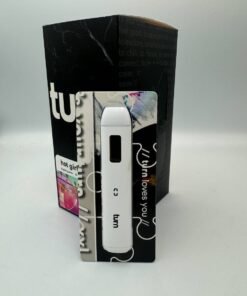
DISPOSABLE
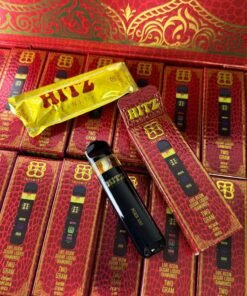
DISPOSABLE
DISPOSABLE

DISPOSABLE
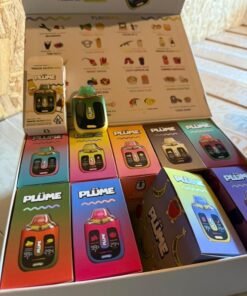
DISPOSABLE

DISPOSABLE
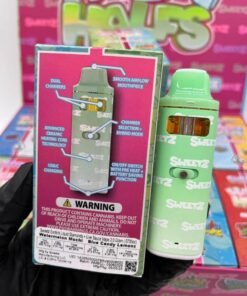

DISPOSABLE
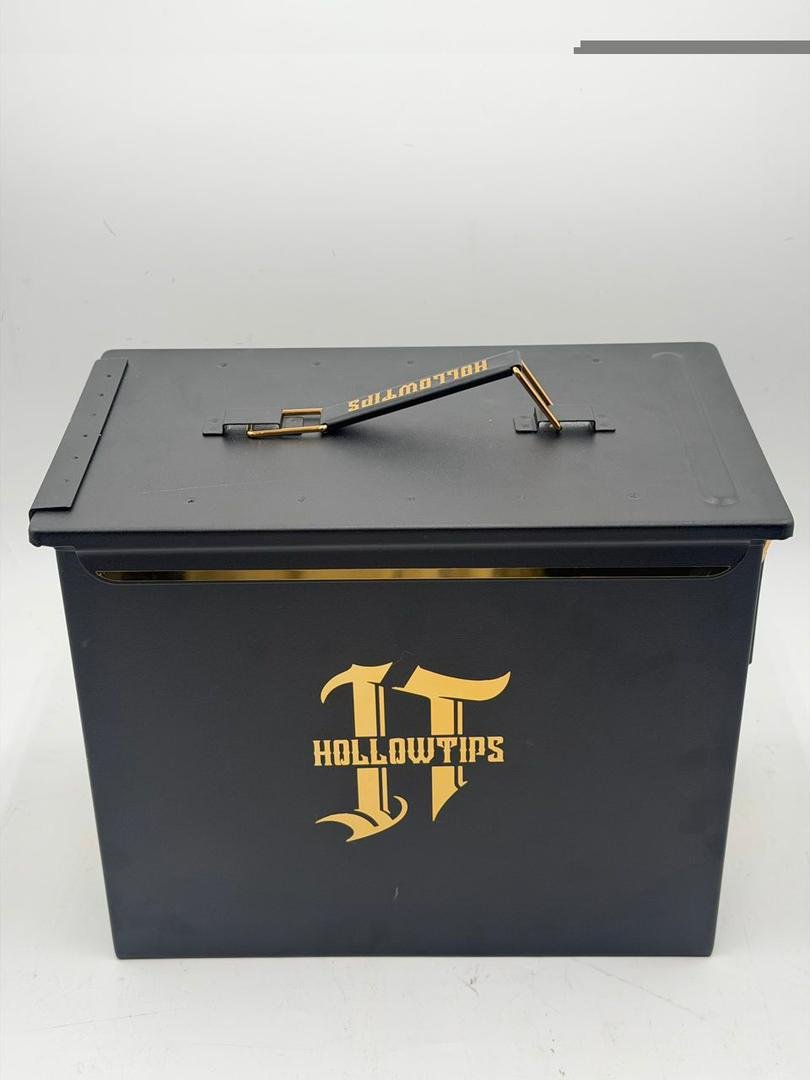
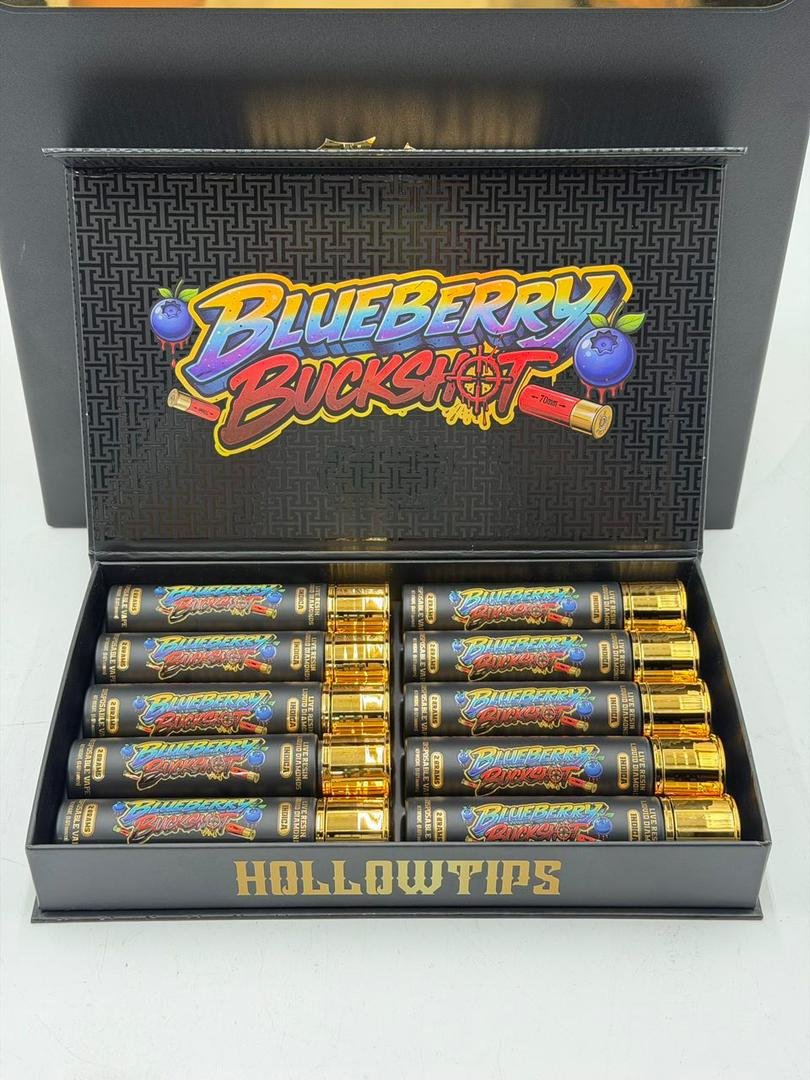
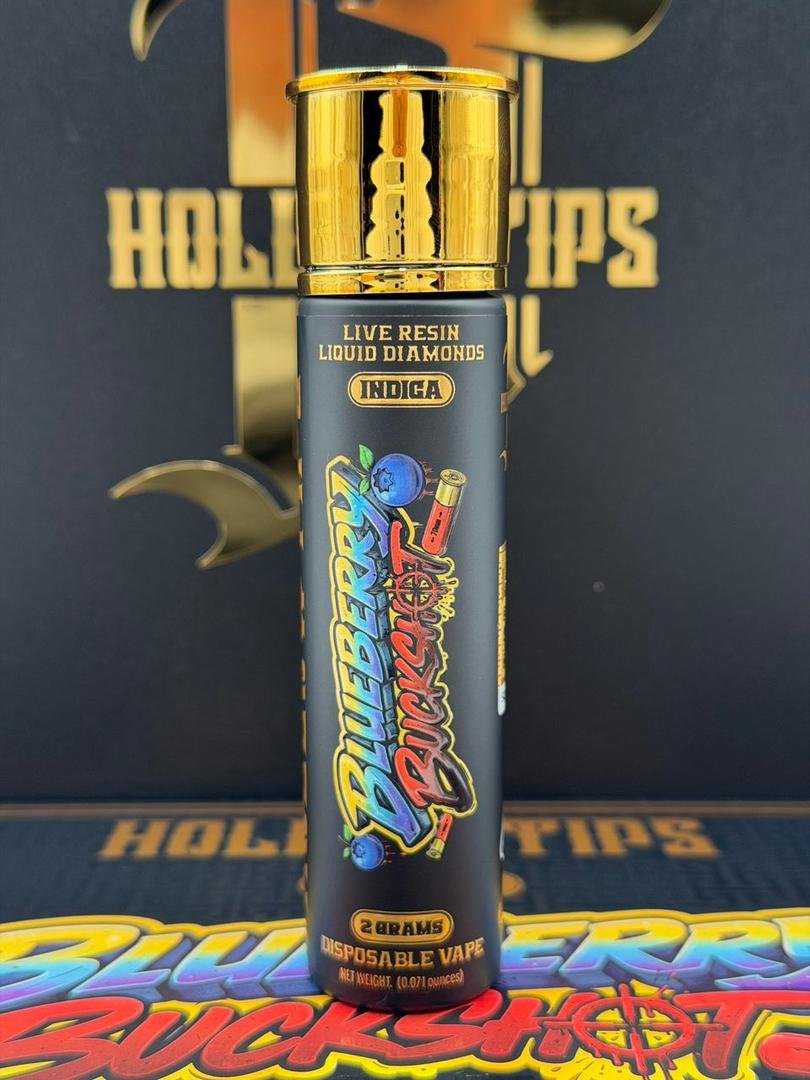


Reviews
There are no reviews yet.