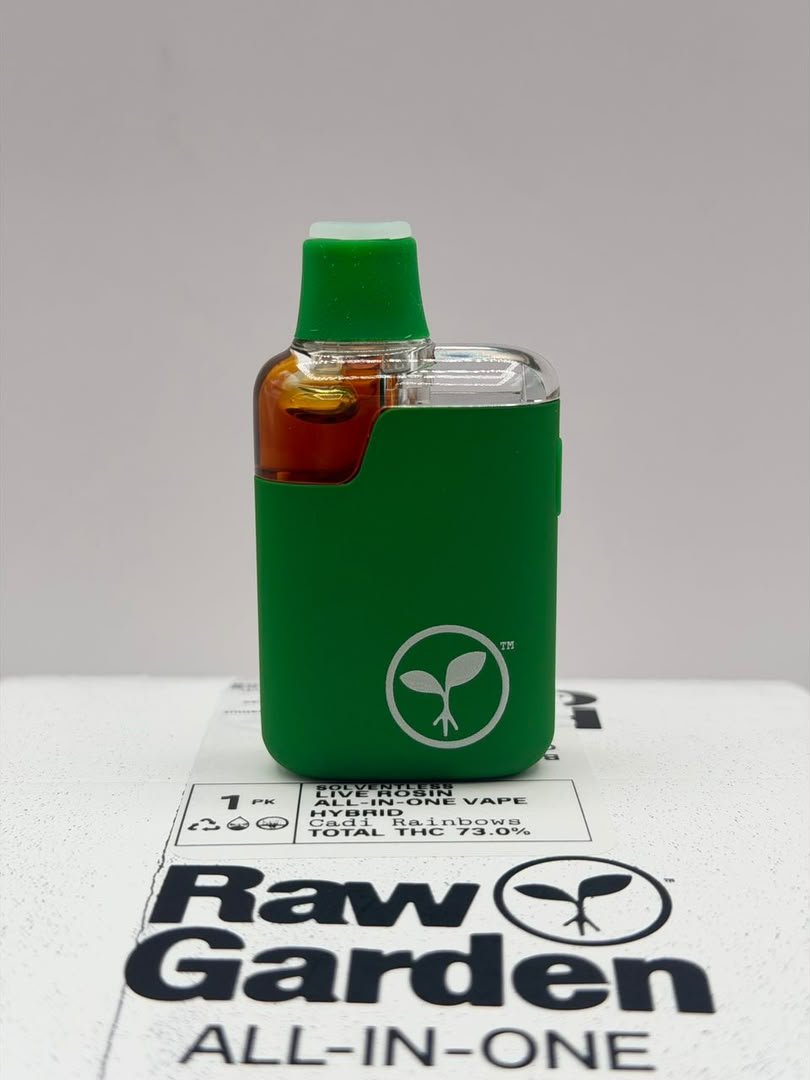
RAW GARDEN ROSIN AIO DISPOSABLE
Product Overview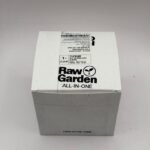
The RAW GARDEN ROSIN AIO DISPOSABLE is presented as an all-in-one disposable device associated with rosin-based cannabis products. Designed around a compact format, the product combines its concentrate chamber and delivery hardware within a single unit.
Product information should always be reviewed against the manufacturer’s current packaging and labeling. Because formulations, hardware specifications, and available varieties can change, the details displayed on a website should be kept accurate and current.
For responsible product presentation, customers should be provided with clear information about ingredients, cannabinoid content, serving or usage information where legally required, manufacturer details, and applicable regulatory warnings.
Key Product Information
- Product Type: All-in-one disposable device
- Product Category: Rosin-based cannabis product
- Format: Disposable
- Product Name: RAW GARDEN ROSIN AIO DISPOSABLE
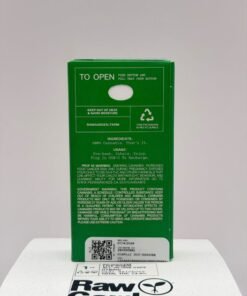
- Packaging: Refer to the current manufacturer’s packaging
- Ingredients: Refer to the official product label
- Cannabinoid Information: Refer to the applicable laboratory report and product label
- Legal Status: Subject to local and regional regulations
- Age Requirements: Follow applicable legal requirements
- Storage: Follow the manufacturer’s storage instructions
Understanding Rosin
Rosin is a concentrate that is generally produced through the application of heat and pressure to cannabis material. Unlike extraction processes that rely on certain chemical solvents, rosin production is commonly associated with a mechanical extraction approach.
The resulting concentrate can contain cannabinoids and naturally occurring aromatic compounds. However, composition can vary depending on the source material, production process, and final formulation.
Therefore, product information should not assume that every rosin product has identical characteristics. Instead, consumers should consult the specific label and laboratory documentation associated with the product.
All-in-One Disposable Format
An all-in-one design combines the product chamber and delivery components into one disposable unit. As a result, the format is intended to reduce the number of separate components involved in the device.
Specifications can differ between production batches and product versions. For that reason, the manufacturer’s current documentation should be treated as the authoritative source for technical information.
Any website listing should also avoid presenting unverified specifications as guaranteed features.
Product Composition
The composition of a rosin-based product can vary according to its source material and manufacturing process. Cannabinoid concentrations, terpene profiles, and other constituents should therefore be confirmed through the product’s current labeling.
Where laboratory testing is available, relevant certificates of analysis should be consulted for additional information.
No ingredient, potency, purity, or performance claim should be published unless it can be supported by appropriate documentation.
Packaging and Label Information
The packaging should be checked before use so that important product information can be verified. Depending on the applicable jurisdiction, labels may include information such as:
- Product identification
- Net contents
- Cannabinoid concentrations
- Batch or lot information
- Manufacturing information
- Laboratory testing information
- Required warnings
- Age restrictions
- Regulatory information
Because labeling requirements vary between jurisdictions, website descriptions should be adapted to the market in which the product is legally offered.
Quality and Testing Information
Where applicable, laboratory testing can provide information about the composition and quality characteristics of a cannabis product.
A responsible product listing should distinguish between verified laboratory findings and general product descriptions. Testing information should also correspond to the specific batch whenever batch-level documentation is available.
Customers should be directed toward official documentation rather than being given unsupported claims about purity, potency, safety, or effectiveness.
Storage Information
Storage instructions should follow the manufacturer’s recommendations.
Generally, cannabis products should be kept in an appropriate environment and protected from conditions that could adversely affect product quality. Specific storage requirements, however, should always be confirmed from the product label.
Products should also be kept securely away from children, pets, and anyone who is not legally permitted to access them.
Responsible Product Information
Clear product information is important for consumers and retailers alike. Accordingly, websites should present factual details without overstating product characteristics.
Statements regarding health benefits, therapeutic effects, safety, performance, or guaranteed outcomes should not be included unless they are legally permitted and properly substantiated.
Similarly, product descriptions should not suggest that a cannabis product is suitable for everyone.
Legal and Regulatory Considerations
Cannabis laws differ considerably between countries, states, provinces, and municipalities. Consequently, the availability, possession, purchase, advertising, and use of cannabis products may be regulated differently depending on location.
Before publishing this product listing, applicable laws should be reviewed for the specific market being served.
Age verification and other compliance measures may also be required. Where restrictions apply, they should be clearly communicated to visitors.
Product Details at a Glance
The RAW GARDEN ROSIN AIO DISPOSABLE can be described as a compact, all-in-one format associated with rosin-based cannabis concentrates.
For accurate product representation, the following information should be confirmed before publication:
- Current product formulation
- Current package size
- Cannabinoid profile
- Available varieties
- Batch information
- Laboratory testing
- Manufacturer information
- Applicable warnings
- Legal market requirements
Keeping these details current helps prevent outdated or misleading information from appearing on the product page.
Frequently Asked Questions
What is the RAW GARDEN ROSIN AIO DISPOSABLE?
It is an all-in-one disposable format associated with rosin-based cannabis concentrate products. Exact specifications should be confirmed through the current product packaging and manufacturer documentation.
What is rosin?
Rosin is a cannabis concentrate generally produced through mechanical processes involving heat and pressure. Its composition can vary according to the source material and manufacturing process.
Is the product disposable?
The product is presented in a disposable all-in-one format. Specific disposal instructions should be followed according to local requirements and the manufacturer’s guidance.
Where can I find cannabinoid information?
Cannabinoid information should be obtained from the current product label and, where available, the corresponding laboratory documentation.
Does every product have the same composition?
Not necessarily. Formulations and cannabinoid profiles can vary by product, variety, batch, and jurisdiction.
How should the product be stored?
Storage should follow the manufacturer’s instructions. The product should also be kept securely away from children and pets.
Are there age restrictions?
Cannabis products are subject to age restrictions that vary by jurisdiction. Customers should follow the laws applicable to their location.
Important Notice
This product description is intended for factual website information only. Product availability, legality, labeling requirements, cannabinoid content, and other specifications can vary according to jurisdiction and product batch.
Always verify the current manufacturer’s packaging and applicable regulations before publishing or relying on product information.
Considerations
For search optimization, the primary phrase “RAW GARDEN ROSIN AIO DISPOSABLE” can be used naturally in the page title, introduction, one relevant heading, image alt text, and metadata. Repeating the phrase excessively is unnecessary and can make the page appear unnatural.
Related terminology can instead be incorporated naturally through contextual phrases such as rosin concentrate, all-in-one disposable, cannabis product information, product specifications, and laboratory testing.
The emphasis should remain on accurate, readable information rather than artificial keyword repetition.
RAW GARDEN ROSIN AIO DISPOSABLE Product Information
Product Design and Format
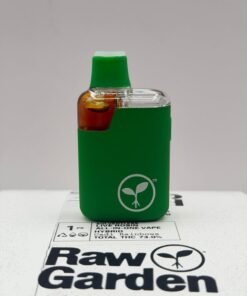
The RAW GARDEN ROSIN AIO DISPOSABLE is presented in an all-in-one format, meaning the primary product components are incorporated into a single disposable device. This type of design can reduce the number of separate components associated with a product.
Unlike systems that use a separate battery and replaceable cartridge, an all-in-one configuration is generally supplied as one integrated unit. Exact construction, capacity, charging characteristics, and other technical specifications should nevertheless be confirmed using the manufacturer’s current documentation.
Product pages should avoid presenting assumptions about hardware as verified specifications. Instead, each technical detail should be supported by current packaging, manufacturer information, or applicable laboratory documentation.
Rosin-Based Product Characteristics
Rosin is commonly associated with a solventless extraction process in which pressure and controlled heat are used to separate concentrated material from cannabis plant matter. The characteristics of the resulting material can be influenced by the starting material, processing conditions, and subsequent handling.
Because production methods differ, two products described as rosin should not automatically be considered identical. Differences may occur in cannabinoid concentrations, naturally occurring aromatic compounds, texture, appearance, and other measurable characteristics.
For this reason, a responsible product listing should focus on documented specifications rather than generalized assumptions.
Ingredient Transparency
Ingredient transparency can be an important part of a complete product page. Information should be taken directly from the current packaging whenever possible.
Depending on the formulation and applicable regulations, a product label may provide information concerning cannabinoids, botanical ingredients, flavoring components, or other materials used during manufacturing.
If a particular ingredient is not confirmed by the manufacturer, it should not be added to the website description simply because it is commonly associated with similar products.
Clear labeling also helps customers distinguish between verified product information and general educational content.
Cannabinoid Information
Cannabinoid content can vary considerably among cannabis products. Therefore, a product page should not assign a potency level without supporting documentation.
Where laboratory testing is available, cannabinoid concentrations should be presented exactly as reported in the relevant documentation. Batch information should also be preserved when it is necessary to connect a laboratory result with a particular product.
This approach provides greater transparency and reduces the risk of outdated information remaining on a product page.
A website should also avoid implying that cannabinoid concentration determines a particular experience or outcome. Individual responses can vary, and product descriptions should remain factual.
Laboratory Documentation
Laboratory reports can provide additional information about the composition of a cannabis product. Depending on the testing program and jurisdiction, reports may address cannabinoids, contaminants, pesticides, residual solvents, microbial content, heavy metals, or other parameters.
Not every testing program evaluates the same characteristics. Consequently, the scope of a laboratory report should be reviewed before making statements about its findings.
A product page can reference available testing documentation without transforming laboratory data into unsupported claims.
Where a certificate of analysis is available, the batch number and other identifying information should be checked against the product being described.
Product Batch Information
Manufacturing batches can be useful for identifying when and under what production run a product was made. Batch information may appear on the packaging or associated documentation.
If a website publishes laboratory results, the relationship between the report and the listed batch should be clear.
Older laboratory documentation should not automatically be treated as representative of a newer production batch. Similarly, information from one variety should not be presented as though it applies to every product in a collection.
Maintaining accurate batch references can therefore contribute to clearer product documentation.
Appearance and Packaging
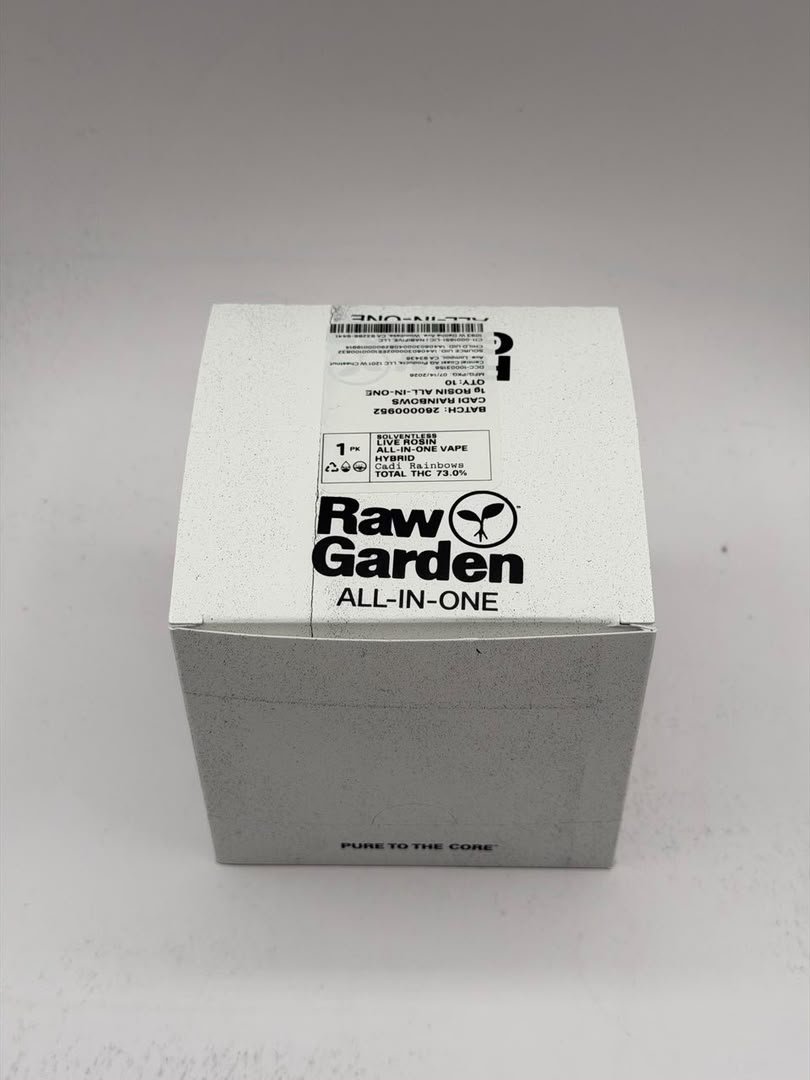
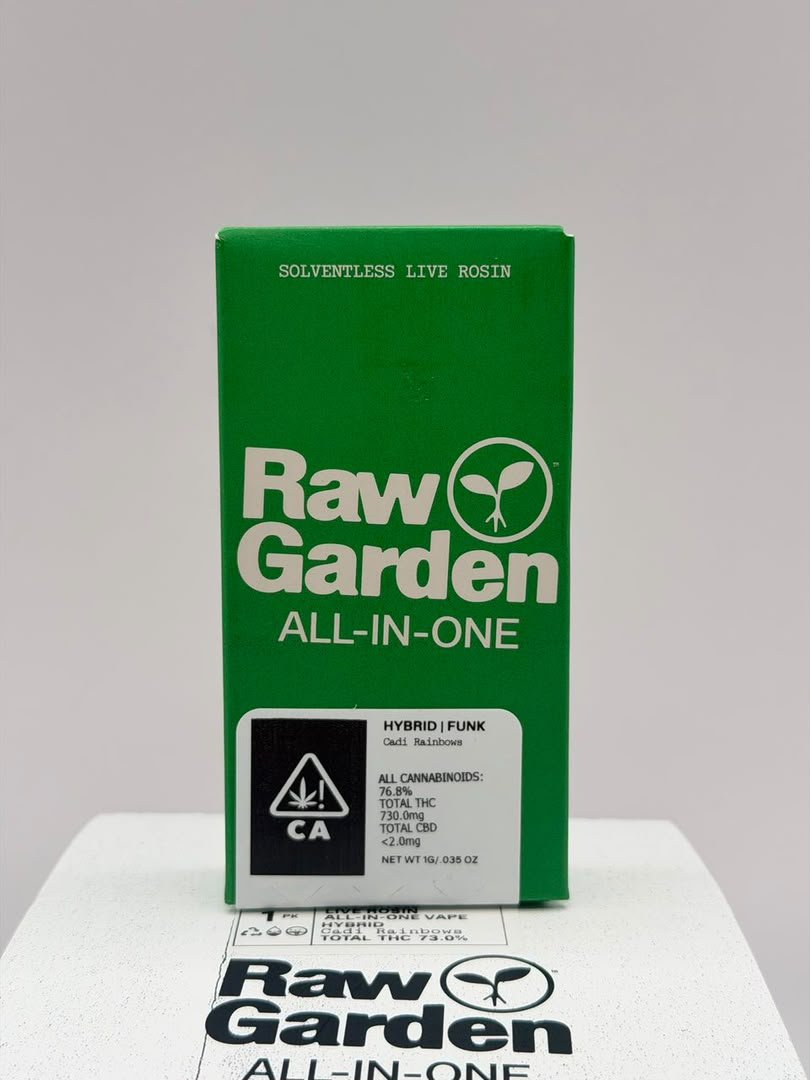
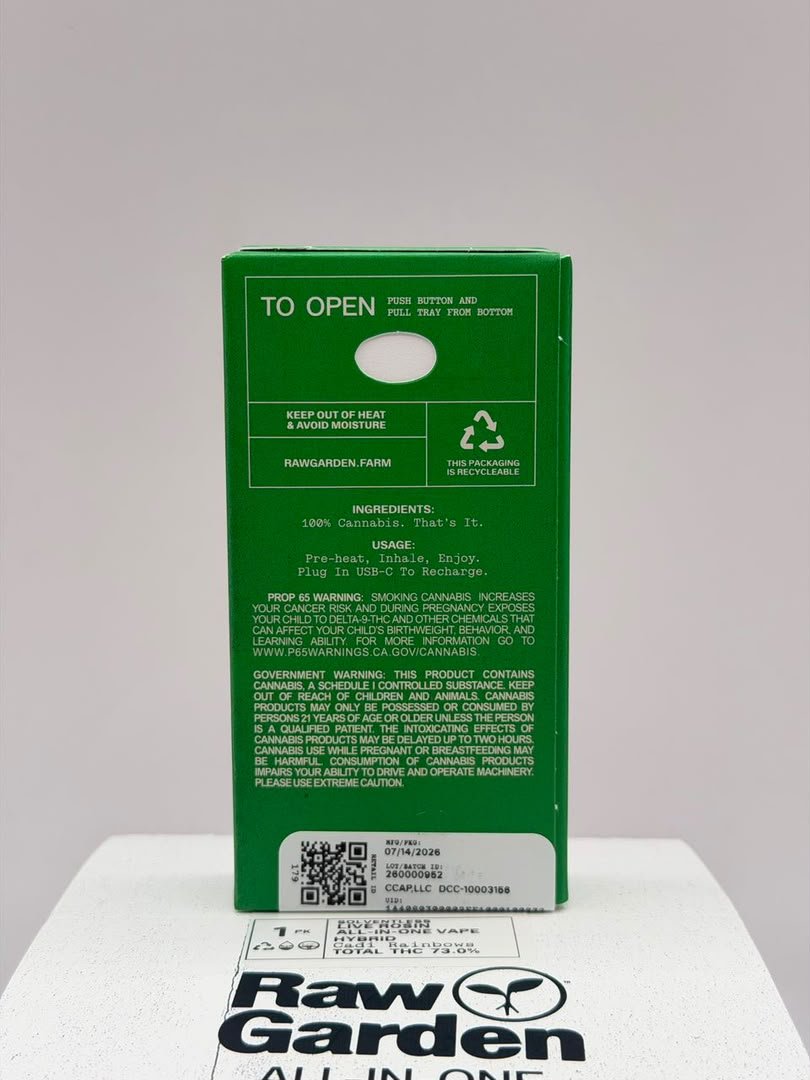
The physical appearance of a product can vary according to packaging, production batch, and manufacturer specifications. Product photography should therefore be treated as representative unless the manufacturer confirms that the image depicts the exact current packaging.
Packaging can also change over time because of regulatory requirements, branding updates, or manufacturing revisions.
For website accuracy, photographs, labels, and written descriptions should periodically be reviewed. Any outdated imagery should be replaced when a significant packaging change occurs.
Responsible Website Presentation
A professional product page should separate factual information from promotional language.
For example, verified details such as product type, package information, laboratory results, and manufacturer specifications can be presented directly. By contrast, unsupported statements about health effects, guaranteed outcomes, or universal suitability should be avoided.
This distinction becomes particularly important for regulated products.
A clear information hierarchy can also make the page easier to understand. Product specifications can be placed near the beginning, while laboratory information, regulatory details, and frequently asked questions can be provided farther down the page.
Regulatory Information
Cannabis regulations are jurisdiction-specific. Rules can apply to manufacturing, possession, distribution, advertising, labeling, age verification, packaging, and online sales.
Accordingly, information that is acceptable in one jurisdiction may not be appropriate in another.
Before publishing a product page, the applicable laws and platform requirements should be reviewed for the intended market. Where advertising restrictions apply, the product page should be adjusted accordingly.
A website should also avoid suggesting that a product can legally be shipped or purchased everywhere.
Age and Access Requirements
Cannabis products are generally subject to legal age requirements, although the specific requirements vary by jurisdiction.
Where required, an appropriate age-verification process should be used. Website content should also avoid presenting cannabis products as appropriate for individuals who are legally prohibited from possessing or accessing them.
Parents, guardians, caregivers, and other adults should take reasonable precautions to prevent unauthorized access by minors.
Storage and Product Care
Storage requirements should be taken from the manufacturer’s current instructions.
Products should generally be kept in a secure location that limits unauthorized access. Exposure to unsuitable environmental conditions may affect product quality, packaging integrity, or other characteristics.
Children and pets should not have access to cannabis products.
If the manufacturer provides specific temperature, light, humidity, or storage recommendations, those instructions should take precedence over generalized information.
Disposal Considerations
Disposable products should be handled according to applicable waste-management requirements.
Because electronic components may be incorporated into an all-in-one device, disposal requirements can differ from those applicable to ordinary household waste. Local authorities or the manufacturer’s guidance should be consulted when appropriate.
The product should not be dismantled unless the manufacturer specifically provides instructions for doing so.
Responsible disposal practices can help reduce unnecessary environmental impact and prevent unauthorized access to residual product material.
Product Information Accuracy
Online product information should be reviewed regularly. Prices, packaging, specifications, laboratory results, product availability, and regulatory requirements can change.
When an update is made to the physical product, the website should be checked as well. This includes product photographs, descriptions, structured data, page titles, metadata, and frequently asked questions.
A consistent review process can help prevent contradictory information from appearing across different pages.
Search-Friendly Content Without Keyword Stuffing
Search engines generally benefit from useful, naturally written content rather than repeated keyword phrases.
The primary phrase should therefore appear only where it makes sense. Supporting terminology can provide additional context without repeatedly reproducing the full product name.
For example, a page can naturally discuss:
- Rosin-based concentrates
- All-in-one disposable formats
- Product specifications
- Cannabinoid information
- Laboratory documentation
- Batch identification
- Packaging details
- Regulatory information
- Storage guidance
- Responsible product information
This approach allows the page to remain readable while still establishing its subject clearly.
Suggested Product Page Structure
A complete product page can be organized into several sections.
Product Name
The official product name should be displayed clearly and consistently.
Short Description
A concise factual summary can explain the product category and format.
Specifications
Relevant manufacturer-confirmed details can be organized into an easy-to-scan table.
Testing Information
Available laboratory documentation can be referenced with appropriate batch information.
Packaging Information
The current package details and applicable warnings can be provided.
Regulatory Notice
Relevant age restrictions and jurisdiction-specific requirements can be identified.
Frequently Asked Questions
Common questions can be answered using verified information without making unsupported claims.
This structure improves readability while allowing visitors to locate specific information quickly.
Frequently Asked Questions
What does “AIO” mean?
“AIO” commonly refers to “all-in-one.” In this context, it describes a product format in which the primary components are incorporated into one disposable unit.
What makes rosin different from other concentrates?
Rosin is generally produced using mechanical extraction involving pressure and heat rather than certain chemical-solvent extraction methods. Specific characteristics depend on the source material and manufacturing process.
Can product specifications change?
Yes. Packaging, formulation, hardware, and other specifications can change between product versions or production batches. Current manufacturer documentation should therefore be consulted.
Where should laboratory information come from?
Laboratory information should come from an applicable certificate of analysis or other official testing documentation associated with the product or batch.
Why is batch information important?
A batch number can help connect a physical product with its manufacturing and testing documentation. It can therefore be useful when verifying product information.
Are cannabis regulations the same everywhere?
No. Cannabis laws differ between jurisdictions. Requirements concerning possession, purchase, advertising, labeling, age verification, and distribution can vary substantially.
How should website information be maintained?
Product pages should be reviewed whenever the manufacturer changes packaging, specifications, formulation, testing documentation, or other relevant information.
Final Product Information Notice
The RAW GARDEN ROSIN AIO DISPOSABLE should be represented on a website using current, verifiable information. Product descriptions should distinguish manufacturer-confirmed specifications from general educational information.
Because cannabis regulations and product requirements can change, website owners should verify the applicable rules before publishing or distributing product information.
Accurate descriptions, transparent documentation, appropriate regulatory notices, and responsible website practices can provide visitors with clearer information while reducing the risk of unsupported product claims.
For SEO purposes, the primary product phrase should remain naturally integrated throughout the page. Excessive repetition is unnecessary; relevant supporting terminology, useful headings, factual specifications, and genuinely informative content can provide broader contextual relevance while maintaining a natural reading experience.
RAW GARDEN ROSIN AIO DISPOSABLE: Cannabis Product & Terminology Guide
Understanding Rosin, Cannabis Concentrates, and Common Industry Terms
Cannabis terminology can be surprisingly broad. New product names, strain names, concentrate categories, cannabinoid abbreviations, and regional slang can make online information difficult to navigate. Consequently, a clear educational guide can help readers understand the terminology they encounter without confusing marketing language with verified product information.
The RAW GARDEN ROSIN AIO DISPOSABLE is an example of a product name associated with an all-in-one disposable format and rosin-based cannabis concentrates. However, product formulations, packaging, cannabinoid concentrations, and availability can vary by market and production batch.
For that reason, current manufacturer labeling and applicable laboratory documentation should always be treated as the primary source for product-specific information.
What Is Rosin?
Rosin is generally described as a cannabis concentrate produced through mechanical separation involving heat and pressure. Unlike some extraction processes, rosin production does not depend on the same type of solvent-based extraction approach.
As a result, the characteristics of rosin can vary according to the cannabis material used, processing conditions, and subsequent handling. Cannabinoid concentrations and aromatic compounds may also differ between products.
The term “rosin” therefore describes a category of concentrate rather than a guarantee of identical composition across every product.
What Are Cannabis Concentrates?
Cannabis concentrates are products in which cannabinoids and other cannabis compounds have been concentrated into a smaller volume of material.
Several forms may be encountered, including rosin, resin, wax, hash, kief, and other extract categories. Because production methods differ, these products should not automatically be treated as interchangeable.
Terms such as THC concentrate, THC extract, weed concentrates, dab cannabis, and dabs weed are commonly encountered online. Nevertheless, terminology alone does not establish a product’s potency, purity, or composition.
Laboratory testing and product labeling provide more meaningful information.
Understanding THC
THC is short for tetrahydrocannabinol. It is one of the cannabinoids naturally associated with cannabis.
When people search for “what does THC stand for,” “definition THC,” or “definition of THC,” they are generally looking for the same basic explanation: THC refers to tetrahydrocannabinol, a cannabinoid found in cannabis.
However, THC concentration can differ substantially between products. Therefore, a general definition should not be confused with a statement about the characteristics of a particular product.
What Is CBC in Weed?
CBC stands for cannabichromene. It is another cannabinoid that can occur naturally in cannabis.
Searches such as “CBC cannabinoid,” “what’s CBC in weed,” and “what does CBC do weed” commonly reflect interest in understanding this lesser-discussed cannabinoid.
The presence and concentration of CBC can vary among cannabis varieties and products. Claims about specific health effects should be evaluated carefully and should not be inferred solely from the presence of the cannabinoid.
What Is THCV?
THCV refers to tetrahydrocannabivarin, another naturally occurring cannabinoid.
Questions such as “what is THCV in weed” are generally asking about the identity of this cannabinoid and how it differs chemically from THC.
Although the names are similar, THCV and THC are distinct cannabinoids. Their concentrations can vary according to the plant variety and product formulation.
CBD and Cannabis Products
CBD, or cannabidiol, is another well-known cannabinoid. Unlike THC, CBD is not generally associated with the same intoxicating effects.
The phrase “CBD dabbing” may be used online to describe consumption of concentrated CBD products. However, product composition, legal status, and appropriate use can vary considerably.
Consumers should therefore check the label, laboratory information, and local regulations rather than relying on informal terminology.
Terpenes and the Humulene Terpene
Terpenes are aromatic compounds found in many plants, including cannabis.
The humulene terpene is one terpene that can occur in cannabis. Other commonly discussed terpene names may appear alongside strain descriptions and laboratory reports.
A terpene profile should not be interpreted as proof of a particular medical or psychological effect. Instead, it is better understood as part of the chemical and aromatic profile of a product.
Cannabis Strain Names
Online searches frequently include names such as:
- Pineapple Fruz strain
- Lemon Slushee
- Tangy Twist
- Orange Crusher strain
- Zookies strain
- Blue ZKZ strain
- Blueberry Muffinz
- Blueberry Blast
- Mango Tango strain
- Hawaiian Snow strain
- Pink Champagne strain
- Purple Churros
- King Louie XIII
Strain names can be useful for identifying particular cultivars or commercial product lines. Nevertheless, names alone do not establish a standardized chemical profile.
Different producers may use similar names, and products with the same or similar names can have different cannabinoid and terpene profiles. Laboratory documentation should therefore be consulted when precise composition matters.
Cannabis Slang and Informal Terminology
Cannabis has developed extensive informal vocabulary over many decades. Search terms such as “slang words for weed,” “slang terms for weed,” “slang for marijuana,” “slang pot,” “slang names for marijuanas,” and “cannabis slang” may refer to regional or cultural terminology.
Examples commonly encountered online include:
- Weed
- Marijuana
- Pot
- Cannabis
- Herb
- Bud
- Flower
- Dope
- Green
- Grass
Meanings can vary by region and context. Importantly, slang should not be used as a substitute for a product’s formal name, ingredient list, or laboratory information.
Dabs, Wax, and Other Concentrates
The terms dabs, dab weed, weed wax, wax weed, bud wax, and wax with weed are commonly used in informal cannabis discussions.
In general, “wax” refers to a type of cannabis concentrate with a particular texture or consistency. “Dabs” can refer broadly to concentrated cannabis products intended for inhalation through specialized equipment.
These terms are not necessarily precise scientific classifications. Therefore, a product should be identified according to its manufacturer’s description and applicable regulatory labeling.
Wax vs. Hash vs. Kief
Questions such as “hash vs kief” and “kief vs hash” involve different forms of concentrated cannabis material.
Kief generally refers to collected cannabis trichomes. Hash is generally produced by collecting and compressing or processing trichome-rich material into a concentrated form.
Wax, by comparison, is generally associated with extracted cannabis concentrates.
Although these categories can overlap in casual conversation, their production methods and physical characteristics can differ.
Cannabis Pods and Disposable Formats
Terms such as THC pods, THC pods, dope carts, Kingpen pen, Kingpen, Jeeters, BabyJeeter, and other brand-related searches may refer to different product formats or commercial product names.
Product names should not be treated as universal technical classifications. A cartridge, pod, disposable device, or pen may have different hardware and formulation specifications depending on the manufacturer.
For a product such as an all-in-one disposable, current packaging should be consulted for information about the device, contents, capacity, and applicable warnings.
Understanding Brand and Product Names
Searches involving names such as Stiiizy, Kingpen, Sluggers, Jeeters, BabyJeeter, Seed Junky, Seed Junky Seeds, and Kan+Ade may correspond to brands, product lines, cultivars, or related cannabis-market terminology.
Because commercial product names can change, a website should avoid assuming that every item associated with a particular name has the same composition.
Official manufacturer information and batch-specific documentation provide a more reliable basis for product identification.
Seed Junky and Cultivar Terminology
The phrase Seed Junky Seeds is commonly associated with cannabis genetics and cultivar-related searches.
When discussing cannabis genetics, it is useful to distinguish between a breeder or genetics brand and the final retail product. A named cultivar can be grown by different producers, and cultivation conditions may affect the resulting cannabinoid and terpene profile.
Therefore, the cultivar name should not be treated as a substitute for laboratory testing.
Cannabis and Mushroom Terminology
Searches such as “weed vs shrooms,” “Pacific Shroom,” “weed on shrooms,” and “tolerance to magic mushrooms” involve two different categories of psychoactive substances.
Cannabis and psychedelic mushrooms are not chemically identical. Their active compounds, effects, legal status, and risks can differ substantially.
For that reason, information about one category should not automatically be applied to another. Combining substances can also introduce additional uncertainty, so people should consult qualified health or poison-information resources when they have concerns about exposure.
Cannabis and Breastfeeding
The phrase “smoking weed and breastfeeding how long to wait” raises an important health-safety question.
Cannabis compounds can be transferred into breast milk, and there is not a simple universally established waiting period that guarantees the absence of exposure. People who are breastfeeding and have questions about cannabis exposure should consult a qualified healthcare professional or pediatrician for individualized guidance.
A website should avoid presenting a specific “safe waiting time” as universally applicable without appropriate medical evidence and context.
Cannabis Edibles and Gummies
Terms such as weed gummy and edible gummy generally refer to edible products containing cannabis compounds.
Edibles differ from inhaled products in how the body processes them. The timing and duration of effects can also differ.
Because of this, product labels should be followed carefully, and products should be kept securely away from children and pets.
Website descriptions should avoid promising particular effects or outcomes.
Understanding Product Potency
Potency is commonly discussed in terms of cannabinoid concentration. However, potency terminology can be presented differently depending on product type and jurisdiction.
A responsible product listing should use the exact information shown on the current product label or applicable laboratory report.
Terms such as THC concentrate, THC extract, and dab THC should therefore not be interpreted as standardized potency measurements.
Why Laboratory Testing Matters
Laboratory testing can provide useful information about a cannabis product’s composition.
Depending on jurisdiction and testing program, a certificate of analysis may include cannabinoid concentrations and testing for certain contaminants.
Testing should be linked to the appropriate batch whenever possible. Older or unrelated laboratory results should not automatically be applied to a different production batch.
Product Information
A useful SEO page does not need to repeat the same keyword dozens of times. In fact, excessive repetition can make content difficult to read.
Instead, related terms can be incorporated naturally through educational sections covering:
- Cannabis concentrates
- Rosin
- THC
- CBC
- THCV
- CBD
- Terpenes
- Kief
- Hash
- Wax
- Cannabis terminology
- Product labeling
- Laboratory testing
- Regulatory information
- Product packaging
This semantic approach can make a page more useful while keeping the primary phrase natural.
Frequently Asked Questions
What is the RAW GARDEN ROSIN AIO DISPOSABLE?
It is a product name associated with an all-in-one disposable format and rosin-based cannabis concentrate. Exact specifications should be verified using current manufacturer information.
What does THC stand for?
THC stands for tetrahydrocannabinol, a cannabinoid naturally associated with cannabis.
What is CBC?
CBC stands for cannabichromene, a cannabinoid that can naturally occur in cannabis.
What is THCV?
THCV stands for tetrahydrocannabivarin, a cannabinoid distinct from THC.
What are cannabis concentrates?
Cannabis concentrates are products in which cannabis compounds have been concentrated into a smaller volume of material. Rosin, hash, wax, and other extract categories can fall within the broader concentrate discussion.
Is kief the same as hash?
No. Although both are associated with cannabis trichomes, they generally refer to different forms of concentrated cannabis material.
What is a terpene?
A terpene is an aromatic compound found in many plants. Cannabis contains numerous terpenes, including compounds such as humulene.
Why can strain names be confusing?
Similar or identical strain names may be used across different producers, while the resulting cannabinoid and terpene profiles can vary. Laboratory testing provides more precise information.
Final Information Notice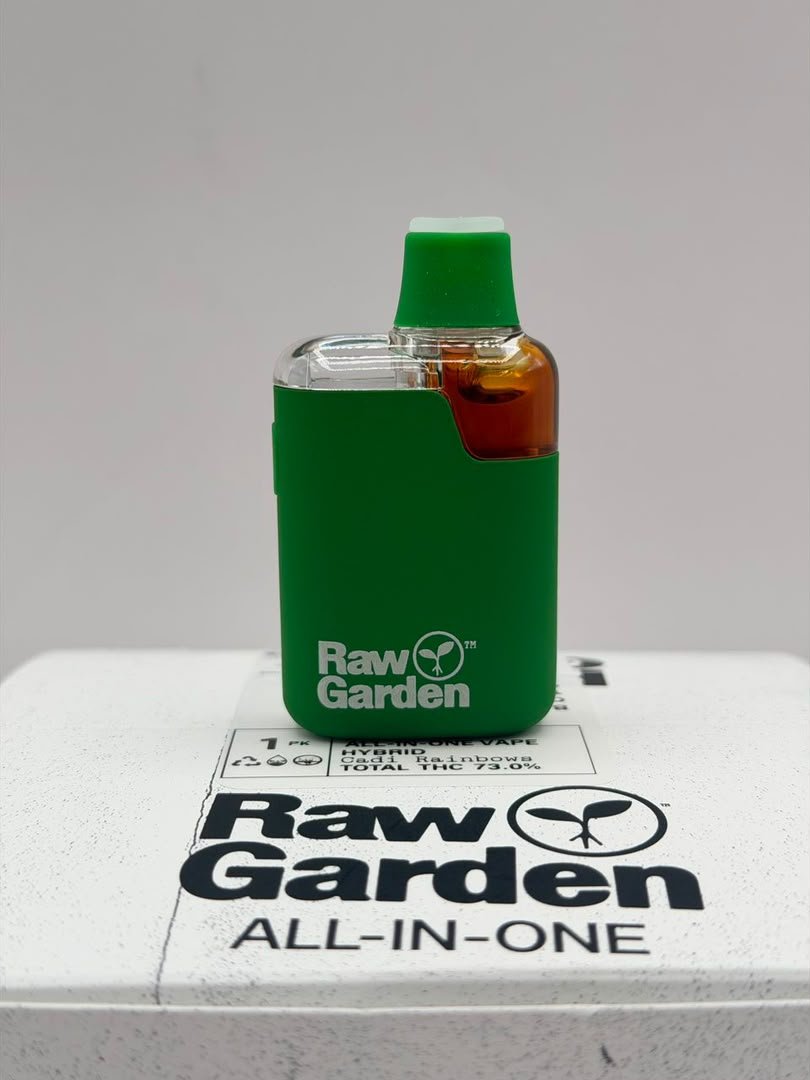
Cannabis terminology continues to evolve across regions, brands, online communities, and commercial markets. Consequently, informal phrases such as “slang for weed,” “cannabis slang terms,” “dope carts,” “wax weed,” and “dabs weed” should be interpreted within their specific context.
For product-specific information, official packaging, manufacturer documentation, laboratory reports, and applicable regulations should take precedence over informal descriptions.
The same principle applies to product names, strain names, cannabinoid terminology, and concentrate classifications. Accurate information should be presented clearly, while unsupported health, safety, potency, or performance claims should be avoided.
For SEO, the primary phrase “RAW GARDEN ROSIN AIO DISPOSABLE” can be retained naturally in the title, introduction, one or two relevant headings, and selected metadata. The remaining related search phrases can be addressed contextually rather than repeated unnaturally.
This creates a broader educational resource while keeping keyword density low, readability high, and product information clearly separated from unsupported promotional claims.
Be the first to review “RAW GARDEN ROSIN AIO”
Related products
DISPOSABLE
DISPOSABLE
DISPOSABLE
DISPOSABLE
DISPOSABLE
DISPOSABLE

DISPOSABLE
Reviews
There are no reviews yet.