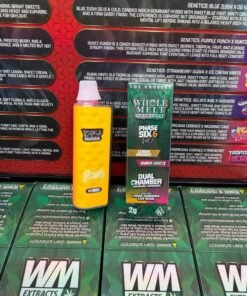
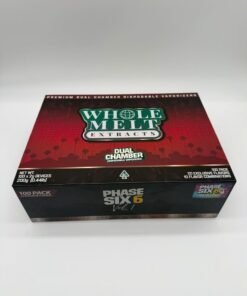
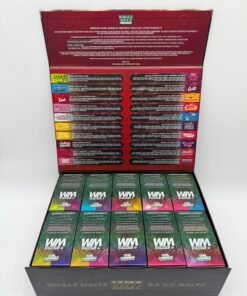
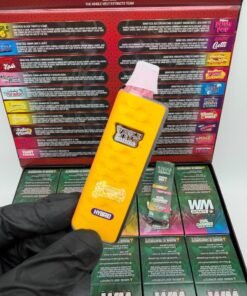

Whole Melts PHASE 6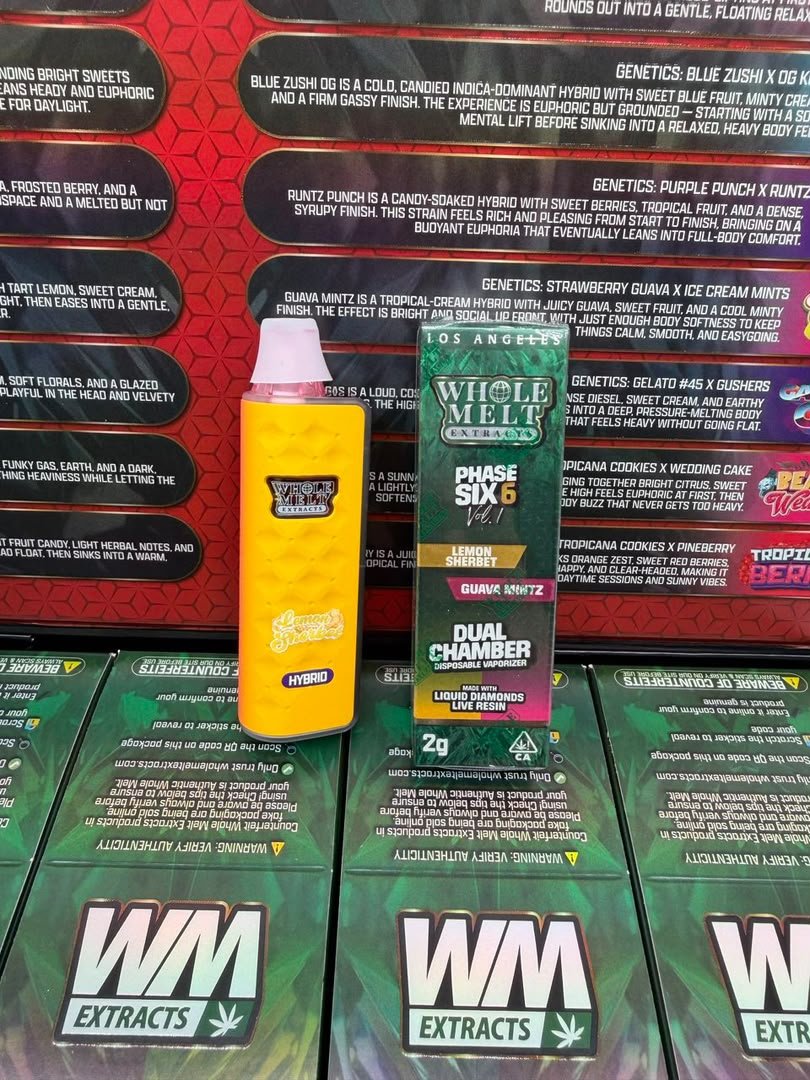
Premium Design Meets a Modern Experience
Whole Melts PHASE 6 has been presented as a modern product concept designed around convenience, contemporary styling, and a streamlined user experience. With a distinctive identity and recognizable presentation, it can be positioned effectively within a product catalog while maintaining clear, informative language.
Rather than relying on repetitive keyword placement, this description has been structured around useful product information, natural transitions, and easy-to-read sections. As a result, visitors can understand the product more easily while search engines can identify the primary topic without excessive keyword repetition.
A Distinctive Product Concept
The PHASE 6 name gives this product a recognizable identity within the broader Whole Melts range. Its presentation can be incorporated into an online store with clean product photography, concise specifications, and an organized product page.
Furthermore, a simple layout can be used to highlight the most important information without overwhelming visitors. Product details can therefore be discovered quickly, while the overall shopping experience is kept straightforward.
Key Product Highlights
- Product: Whole Melts PHASE 6
- Collection: Whole Melts
- Edition: PHASE 6
- Product presentation: Modern and streamlined
- Store positioning: Premium product catalog
- Page structure: Designed for easy browsing
- SEO approach: Natural, low-density keyword integration
- Customer experience: Clear and accessible product information
Designed for a Modern Product Catalog
A strong product page should do more than contain keywords. Instead, it should provide information that helps visitors understand what is being offered.
For that reason, Whole Melts PHASE 6 can be presented with a balanced combination of product details, highlights, imagery, and purchasing information. In addition, concise sections allow important information to remain visible without requiring visitors to search through large blocks of text.
The product name can naturally appear in key areas such as the title, introduction, headings, image alt text, and product metadata. However, excessive repetition should be avoided because natural language generally provides a better reading experience.
Clear Presentation
The visual identity of PHASE 6 can be supported with high-quality product images and consistent branding. Consequently, customers can become familiar with the product before reaching the purchasing section.
A clean product layout may include:
- Product photography
- Product name and edition
- Available options
- Store availability
- Shipping information
- Customer support details
- Applicable product specifications
This structure allows essential information to be communicated efficiently.
Product Information at a Glance
Whole Melts PHASE 6 can be introduced as a distinctive addition to a modern online catalog. Its name, presentation, and branding provide a clear starting point for customers who are browsing related products.
Meanwhile, important information should be displayed in a transparent format. Any specifications, ingredients, compatibility information, age requirements, certifications, or legal restrictions should be supplied according to the manufacturer’s official documentation and the laws applicable to the customer’s location.
This approach keeps the product page informative while avoiding unsupported claims.
Why Product Presentation Matters
Online shoppers often make decisions after quickly scanning a product page. Therefore, the most useful information should be easy to locate.
A well-structured PHASE 6 listing can use short paragraphs, descriptive headings, bullet points, and supporting visuals. As a result, visitors can move from product discovery to detailed information without unnecessary friction.
Additionally, descriptive copy can help establish context around the product without relying on exaggerated statements. Clear wording can be used to explain the product identity, available information, packaging, and purchasing considerations.
An Easy-to-Read Shopping Experience
Accessibility should also be considered throughout the product page. Simple sentences, descriptive headings, and inclusive language can make the information easier to understand for a wider audience.
Moreover, important purchasing information should never be hidden inside unnecessary marketing language. Instead, it should be presented directly so that customers can make informed choices.
Search-Friendly Content Without Keyword Stuffing
Search optimization works best when the content remains useful to people. Consequently, the primary phrase should be incorporated naturally rather than repeated throughout every paragraph.
For this listing, related terminology can be used selectively around relevant topics such as product identity, collection information, product presentation, availability, and store details.
This creates semantic relevance without making the copy sound artificial.
Natural Keyword Placement
The primary product phrase can be used in:
- The SEO title
- The main product heading
- The opening paragraph
- One or two relevant subheadings
- The product description
- Image alt text
- Meta description
- Product URL, where appropriate
Afterward, related wording can be introduced naturally. This helps maintain a low keyword density while preserving topical relevance.
Product Page Benefits
A professionally structured listing can provide several advantages for an online store.
Improved readability:
Information can be divided into manageable sections, making the page easier to scan.
Better product discovery:
Relevant terminology can help search engines understand the subject of the page.
Stronger presentation:
Consistent formatting can make the product catalog appear more professional.
Clearer purchasing information:
Customers can locate important details without unnecessary searching.
Inclusive communication:
Neutral, respectful language can be used throughout the page.
A Balanced Approach to Product Content
Product descriptions should provide enough information to answer common questions without making unsupported promises. Therefore, specifications should always be checked against reliable manufacturer or supplier information before publication.
Similarly, claims involving performance, ingredients, certifications, health effects, or legal status should only be included when they can be substantiated.
For retailers, this creates a more dependable product page and reduces the possibility of misleading information.
Built Around Clarity
The PHASE 6 listing can be kept visually consistent with the rest of an online store. Product imagery, pricing, availability, shipping details, and customer service information can be positioned close to the primary purchasing area.
Meanwhile, the longer description can provide additional context for visitors who want to learn more.
Shopping With Confidence
Customers deserve access to accurate product information before making a purchase. Accordingly, retailers should provide transparent details about the item, including applicable restrictions and store policies.
If multiple versions or configurations are available, each option should be labeled clearly. Furthermore, differences between variants should be explained rather than assumed.
This makes the shopping process more straightforward and helps reduce confusion.
Whole Melts PHASE 6 Product Overview
Whole Melts PHASE 6 can be featured as a recognizable product within a contemporary online catalog. Its distinctive product identity provides an opportunity for retailers to build a clear, visually appealing listing around verified information.
Instead of filling the page with repeated search terms, the content can focus on what customers actually need to know. Product information can therefore remain useful, concise, and accessible.
At the same time, naturally integrated terminology can provide search engines with sufficient context to understand the page.
Important Product Details
Before publication, retailers should confirm:
- Exact product specifications
- Official product name
- Packaging information
- Manufacturer details
- Available variants
- Ingredients or materials, where applicable
- Legal purchasing requirements
- Shipping restrictions
- Return and refund conditions
- Applicable regional regulations
Verified information should always take priority over assumptions.
Final Product Summary
Whole Melts PHASE 6 has been positioned here as a modern product listing that emphasizes clear presentation, accessible information, and natural SEO optimization.
Through structured headings, concise paragraphs, supporting bullet points, and carefully controlled keyword placement, the product page can remain engaging without becoming repetitive.
Most importantly, the listing should be updated whenever official product information changes. Accurate specifications, transparent policies, and responsible product communication can contribute to a stronger customer experience.
For online retailers, this balanced approach provides an SEO-friendly foundation while keeping the focus where it belongs: clear product information and an easy shopping experience.
Whole Melts PHASE 6 Product Description
A Refined Addition to Your Product Collection
Within a competitive online marketplace, product presentation can make a significant difference. Whole Melts PHASE 6 can be introduced with a clean, informative approach that places emphasis on recognizable branding and straightforward product information.
Rather than relying on excessive promotional language, the product page should be built around clarity. Customers can then understand what is being presented before they consider purchasing. Furthermore, an organized description provides search engines with useful context while keeping the primary phrase naturally distributed throughout the page.
Modern Product Presentation
First impressions are often created through product photography and page design. For that reason, a professional presentation should be maintained across the entire listing.
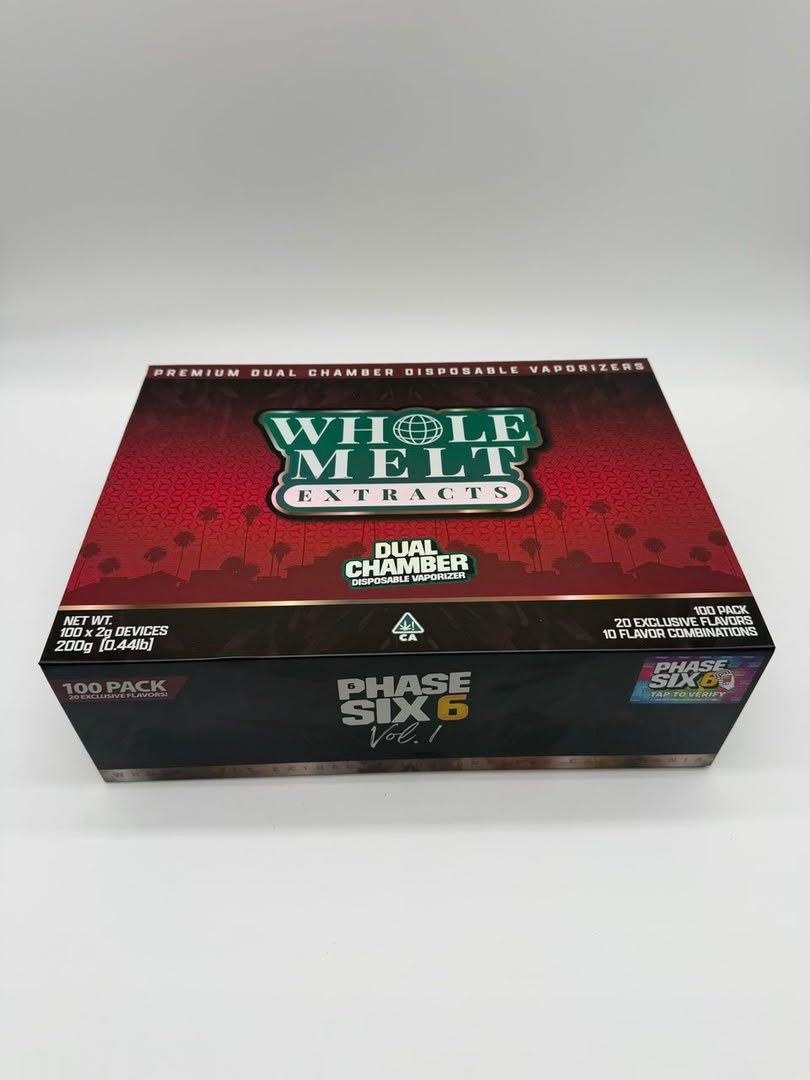
High-resolution images can be used to showcase the packaging and overall appearance. In addition, consistent photography can help create a recognizable visual identity throughout an online store.
The product title should remain easy to identify. Supporting information can then be displayed underneath it, allowing visitors to locate essential details without unnecessary scrolling.
Clear Information for Every Visitor
Good product content should be understandable to a broad audience. Consequently, technical terminology should be limited unless it provides genuine value.
Where specialized information is necessary, it should be explained in simple language. This makes the page more accessible while also creating a smoother browsing experience.
A well-organized listing may include:
- Product name
- Product edition
- Brand information
- Available options
- Verified specifications
- Packaging information
- Shipping details
- Store policies
- Customer support information
Each section can be kept concise while still providing useful context.
Building Trust Through Transparency
Trust is important whenever an online purchase is being considered. Therefore, product information should be presented accurately and without unsupported claims.
Specifications should be confirmed before publication. Likewise, information about ingredients, materials, certifications, compatibility, or intended use should only be included when it has been verified through appropriate sources.
This approach can help prevent confusion and gives customers a clearer understanding of the item.
Accurate Details Matter
Product pages sometimes contain exaggerated statements because they are intended to attract attention. However, excessive claims can make a listing appear less credible.
Instead, the PHASE 6 page can use factual language. Product characteristics can be described without promising results that cannot be demonstrated.
This creates a more professional tone while keeping the content suitable for long-term use.
A Structured Online Shopping Experience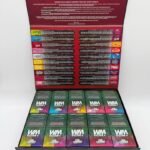
Navigation should feel natural from the moment a visitor reaches the page. Accordingly, the product title, imagery, description, pricing, and purchasing information should be arranged logically.
Important information can be placed near the top. Additional details can then be provided further down the page for visitors who want a deeper understanding.
As a result, both quick shoppers and detail-oriented customers can find the information they need.
Helpful Product Sections
A practical product page can be divided into several areas:
Product Overview
A brief introduction can explain what the item is and how it fits within the store’s catalog.
Key Highlights
Important characteristics can be displayed through concise bullet points.
Detailed Description
Additional information can be provided for customers who want more context.
Product Specifications
Verified technical or physical information can be listed clearly.
Shipping Information
Available delivery methods and applicable restrictions can be explained.
Store Policies
Returns, refunds, exchanges, and customer support procedures should be made accessible.
Search Engine Optimization With Natural Language
Search optimization does not require every sentence to contain the same phrase. In fact, excessive repetition can make content difficult to read.
Instead, related terminology can be introduced naturally throughout the description. Product-related words, category terminology, descriptive phrases, and relevant supporting language can all be used where appropriate.
This creates a broader topical relationship around the listing.
Low Keyword Density Strategy
The main phrase should remain prominent enough for the subject of the page
Whole Melts PHASE 6
Product Overview
Whole Melts PHASE 6 is presented as a distinctive product within a contemporary collection, with its own recognizable identity and product presentation. For an online store, the listing can be structured around verified product information, clear specifications, responsible communication, and an accessible shopping experience.
Rather than relying on repetitive search phrases, this description has been developed with a natural SEO structure. Related terminology can be incorporated selectively where it provides genuine context, while unnecessary repetition is avoided.
The result is a product page that can remain readable for customers while still providing search engines with a clear understanding of the page topic.
Key Product Highlights
- Product: Whole Melts PHASE 6
- Collection: Whole Melts
- Edition: PHASE 6
- Presentation: Contemporary product format
- Listing style: Clear and information-focused
- SEO approach: Natural, low keyword density
- Content style: Accessible and inclusive
- Product information: Should be verified against official documentation
- Compliance: Applicable regional requirements should be observed
Understanding the Product Listing
A strong product page should provide more than a product name. Visitors should be given enough reliable information to understand what is being offered, what specifications apply, and which purchasing requirements may be relevant.
For that reason, the PHASE 6 listing can be organized into clearly defined sections. Product imagery can be placed alongside essential information, while additional specifications can be presented below the primary product details.
Furthermore, information that has not been confirmed should not be presented as fact. Manufacturer documentation, packaging information, and applicable regulations should always be used when specific claims are required.
Clear Product Communication
Online shoppers have different levels of product knowledge. Some visitors may already be familiar with the collection, while others may be discovering it for the first time.
Consequently, accessible language should be used throughout the page. Technical terminology can be explained when necessary, while unnecessary jargon can be removed.
This approach makes the listing easier to understand for a wider audience.
Search-Friendly Product Content
Search optimization should support the customer experience rather than interfere with it. Therefore, the primary product phrase can be included naturally in important locations without being repeated in every paragraph.
Relevant terminology can be distributed across the title, introduction, headings, metadata, image descriptions, and supporting copy.
Meanwhile, unrelated search phrases should not be forced into the description simply because they have search volume.
Natural Keyword Integration
Terms associated with vape terminology, product formats, disposable devices, cartridges, and related searches can represent different user intents. They should therefore be treated carefully rather than being placed together as a large keyword block.
For example, searches containing phrases such as “blinker vape,” “blinker cart,” “2g disposable,” or similar wording may refer to different products or user questions. Those terms should only be used where they accurately describe the product and comply with the store’s applicable advertising and platform requirements.
As a result, the page can maintain topical relevance without becoming difficult to read.
Product Information and Verification
Accurate information is essential for a professional product listing. Specifications should be confirmed before publication, particularly when different versions or editions may exist.
Important information may include:
- Product dimensions
- Packaging details
- Available variants
- Manufacturer information
- Ingredients or materials, where applicable
- Product quantity
- Applicable certifications
- Storage information
- Shipping limitations
- Age requirements
- Regional restrictions
Only verified details should be published.
Why Accuracy Matters
A product description may remain online for an extended period. If inaccurate specifications are included, customers may receive misleading information long after the original listing was created.
Therefore, the page should be reviewed whenever packaging, product specifications, availability, or regulatory requirements change.
This creates a more reliable shopping environment and helps maintain consistency throughout the store.
Modern Product Presentation
Visual presentation can strongly influence how an online listing is perceived. High-quality photography should therefore be used whenever available.
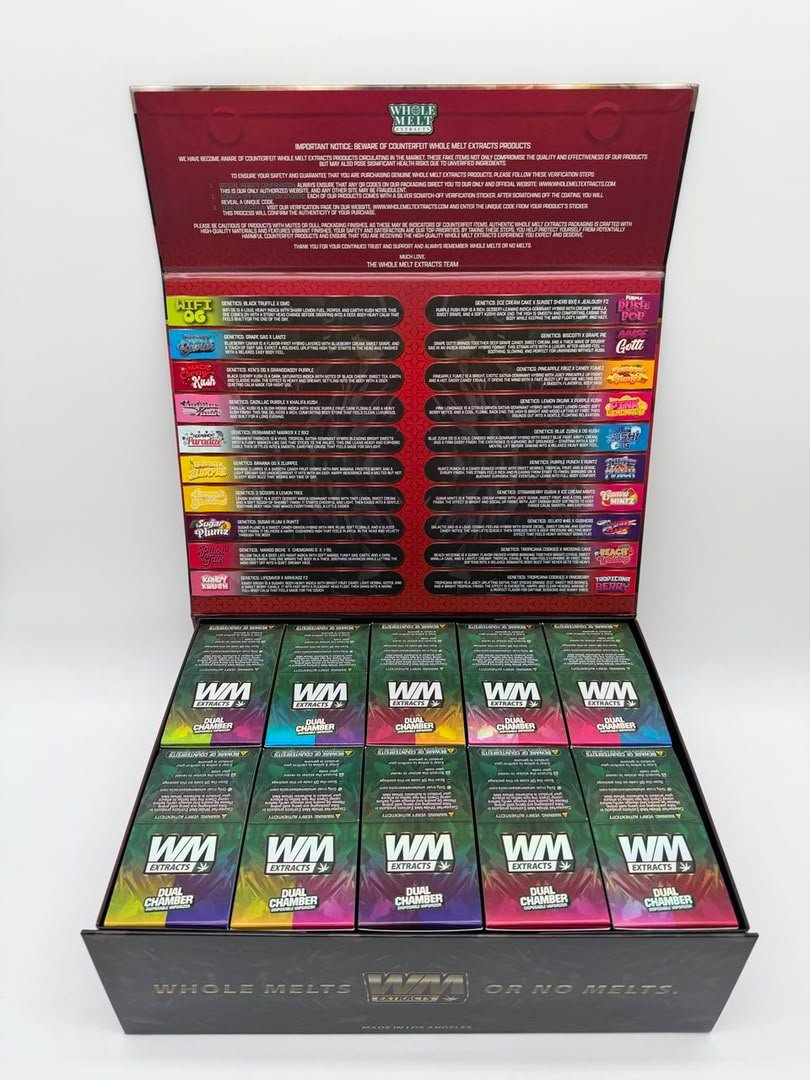
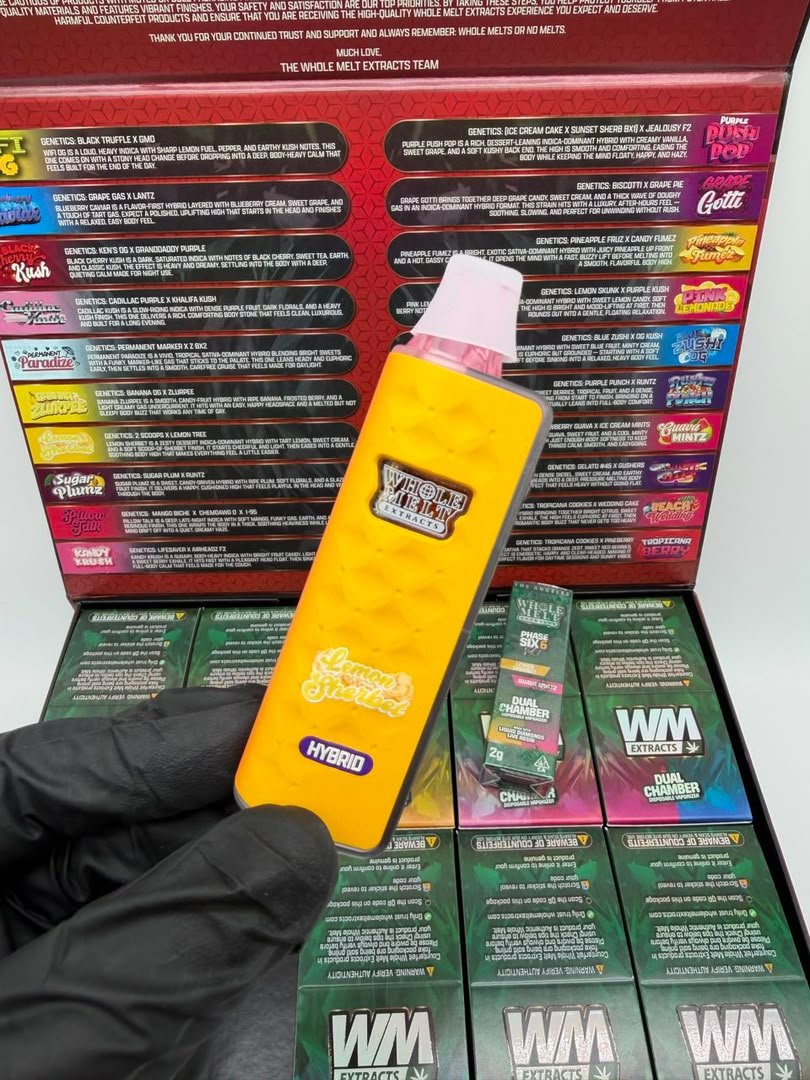
Product images can display the packaging from multiple angles. Close-up images can also be provided when labels or important product details need to be shown.
Additionally, images should accurately represent the product being sold.
Image SEO
Image optimization can support accessibility as well as search visibility.
Descriptive alt text should explain what is visible in an image. It should not be filled with repeated keywords or unrelated search terms.
For example, an accurate description of the product packaging is more useful than a long sequence of search phrases.
This approach benefits both visitors using assistive technologies and search engines interpreting the page.
Creating an Accessible Customer Experience
Inclusive language should be maintained throughout the product listing. Every visitor should be able to understand the essential information without needing specialist knowledge.
Short paragraphs can be used to improve readability. Headings can divide larger sections, while bullet points can make important information easier to scan.
Moreover, important restrictions should be displayed clearly rather than hidden within lengthy promotional text.
Mobile-Friendly Formatting
Many product pages are viewed on smartphones. Consequently, the description should remain readable on smaller displays.
Large blocks of uninterrupted text can be difficult to navigate. Instead, shorter sections can be used to create visual separation.
A clear heading structure also allows visitors to move directly to the information they need.
Responsible Product Information
Where a product is subject to age restrictions, regional laws, shipping limitations, or other purchasing requirements, those requirements should be communicated clearly.
The store should also avoid unsupported health, performance, or intoxication claims.
In particular, terminology describing “getting high,” “hitting blinkers,” or similar consumption outcomes should not be presented as guaranteed product benefits.
Instead, the listing should remain focused on verifiable product characteristics.
Related Search Terminology
Search engines may associate a product page with many related phrases. However, not every related query should be treated as a product feature.
Terms such as blinkers 2g, blinker disposable, blinker cart, blinker vape, 2 gram blinker, and similar phrases can appear in searches surrounding particular product categories. Their meanings may differ depending on context.
Accordingly, such terminology should only be incorporated when it accurately reflects the product being described and is appropriate for the store’s intended market.
Avoiding Keyword Stuffing
Keyword stuffing can make a product description feel unnatural. It can also reduce readability and make important information harder to locate.
A better approach is to establish one primary topic and then support it with closely related language.
For this reason, the PHASE 6 page should use the main product name strategically while allowing the surrounding copy to remain natural.
Product Page Structure
A complete product listing can be organized using the following structure:
Product Title
The official product name should be displayed clearly.
Short Description
A concise introduction should identify the product and collection.
Product Highlights
Important verified characteristics can be presented in bullet points.
Detailed Description
Additional context can be provided without unnecessary repetition.
Specifications
Technical information should be listed in a simple format.
Shipping Information
Applicable delivery conditions should be explained.
Store Policies
Return, refund, exchange, and customer-support information should remain accessible.
This structure can be reused across a wider product catalog while allowing individual products to retain their own identity.
Building Customer Confidence
Trust can be strengthened when product information is presented openly. Customers should be able to determine what they are purchasing before completing an order.
Pricing should be displayed clearly. Available variants should be differentiated. Shipping conditions should be visible.
Furthermore, customer support information should be easy to find if questions arise.
Transparent Store Policies
Returns and refunds should be explained according to the store’s actual policies. Any restrictions should be stated before checkout rather than after an order has been placed.
Likewise, shipping limitations should be disclosed where applicable.
This level of transparency can create a smoother experience for both customers and retailers.
Metadata Recommendations
The following elements can be used to support the product page:
Title:
Whole Melts PHASE 6 | Product Information & Details
Suggested URL Slug:
whole-melts-phase-6
Meta Description:
Explore Whole Melts PHASE 6 with clear product information, verified details, specifications, and purchasing considerations in one easy-to-read listing.
Suggested Focus Keyphrase:
Whole Melts PHASE 6
Supporting Terms:
Whole Melts, PHASE 6, product details, product information, product listing, product specifications.
Keeping the metadata concise helps maintain a clear relationship between the search result and the actual page content.
Maintaining Long-Term Search Value
SEO should not end when a product page is published. Product information should be reviewed periodically.
If packaging changes, specifications should be updated. If availability changes, the listing should reflect the current status. When regulations change, relevant purchasing information should also be reviewed.
Additionally, outdated internal links should be corrected.
Measuring Performance
Search performance can be evaluated through impressions, clicks, engagement, and conversions where appropriate.
However, keyword rankings alone should not determine whether a product page is successful. A useful listing should also answer customer questions and provide accurate information.
Therefore, SEO improvements should be balanced with usability.
Final Product Summary
Whole Melts PHASE 6 can be presented through a professional product page built around accuracy, clarity, and responsible SEO.
The product name should remain prominent without being unnecessarily repeated. Supporting terminology can be used naturally where it accurately describes the page, while unrelated or misleading search phrases should be excluded.
A combination of concise sections, informative headings, product highlights, verified specifications, descriptive imagery, and transparent store policies can create a more effective customer experience.
Ultimately, the strongest product listing is one that provides visitors with useful information while maintaining a natural writing style.
Before publication, all product specifications, legal requirements, age restrictions, shipping conditions, and manufacturer claims should be independently verified for the market in which the product is being offered.
Whole Melts PHASE 6
Product Overview
Whole Melts PHASE 6 is a product name that may appear in online searches alongside a broad collection of terminology associated with disposable vape products, cartridges, THC terminology, and the phrase “blinker.” Because online terminology can vary considerably between brands, regions, and communities, product information should always be checked against the manufacturer’s current packaging and documentation.
The term blinker is commonly used online to describe a long draw that reaches the automatic cutoff or timer of a vape device. However, the exact cutoff duration can differ between devices. Consequently, searches such as how long does it take to hit a blinker, how long is a blinker on a cart, how long do blinkers take to hit, and how long is a blinker on a vape do not have one universal answer.
For responsible product communication, the manufacturer’s specifications should therefore be treated as the authoritative source.
Understanding the Term “Blinker”
A number of searches surrounding this product category are based on terminology rather than a specific product specification. For example, what is a blinker on a vape, what does it mean to hit a blinker, what does hitting a blinker mean, and hit a blinker meaning generally refer to reaching the device’s automatic draw cutoff.
Similarly, blinker meaning vape, what’s a blinker weed, what is a blinker smoking, and what is a blinker when smoking are often used when people are trying to understand community terminology.
The word can also be used differently depending on context. Therefore, the meaning should not automatically be treated as a description of a particular formulation, potency, or product feature.
What Is a Blinker?
In general terminology, a blinker refers to a draw that continues until a vape device’s built-in safety timer interrupts the heating cycle. The device may stop producing vapor automatically when that limit has been reached.
This should not be confused with a guarantee of a particular effect. Device timers, airflow, battery systems, formulations, and hardware can all differ.
Device Terminology
Searches for blinkers pen, blinker pens, blinker vape, blinker disposable, blinkers disposable, and blinkers disposables commonly refer to devices or products associated with the term.
Other searches include blinker pen 2g, blinker 2 gram, 2 gram blinker, blinker 2g cart, blinkers 2g, blinker dispo 2g, blinker 2g disposable, and blinkers disposable 2g.
The “2g” terminology generally indicates a stated quantity of material in a product. Nevertheless, the presence of a particular quantity should not be interpreted as evidence of potency or quality without verified product documentation.
Larger-Size Searches
Online searches may also include blinker 3.5 g, blinkers 3.5, blinker 3.5, 3.5 blinker, 3.5 g blinker, and blinkers 3.5 g disposable.
Such phrases can represent searches for particular product sizes or informal terminology. Since product sizes and formulations can vary by market, current packaging should always be consulted.
Cartridge and Disposable Terminology
The phrases blinker carts, blinkers carts, blinker cart, blinkers cart brand, blinker cart brand, and blinkers cart brand are frequently associated with searches about cartridges.
Likewise, blinkers disposable 2 gram, blinker disposable 2 gram, 2g blinkers disposable, and blinker disposable 2 gram may be used by shoppers searching for larger-format disposable devices.
A product page should distinguish clearly between a cartridge, a disposable device, and an all-in-one system. These formats can use different hardware and may have different operating characteristics.
All-in-One Devices
The phrase all in one blinker can refer to an integrated device in which the cartridge and battery are contained within the same unit.
Other related searches include blinker duo, blinkers switch, blinkers flip, flip blinkers, blinkers flip cart, new blinker flip, and switch blinkers.
Because product naming can be informal, these phrases should not be treated as confirmed specifications unless they appear in official manufacturer documentation.
Popular Search Variations and Flavor Terms
Search engines may associate the term blinker with numerous flavor or product-name searches. Examples include blue nerdz blinker, blinker blue nerds, melon burst blinker, cookie monster blinker, maui wowie blinker, incredible hulk blinker, superglue blinker, lemon heads blinker, gushers blinker, diamond blinker, runtz blinker, birthday cake blinker, cereal milk blinker, blinker cereal milk, tropical grape blinker, green apple diesel, black mamba blinker, blue razz orange crush blinker, and candy blinker.
These names should be treated as search terminology rather than verified claims about the contents of a particular product.
Candy-Related Searches
A particularly large group of searches includes candy blinkers, candy blinkers 2g, candy blinker 2g, candy blinker, blinker candy, new candy blinkers, candy blinkers disposable, blinkers candy, blinkers candy 2g, and two grams blinkers candy.
Product names that resemble confectionery flavors should not be interpreted as meaning that a product is ordinary candy or suitable for consumption as food.
Hash and Concentrate Terminology
Searches can also contain terms such as hash hole blinkers, hashhole blinker, blinker hash hole, blinkers hash hole, blinkers with hash hole, blinker with hash, blinker with joint, blinker joint, and blinker joints.
These phrases combine different forms of cannabis-related terminology. Because the meaning can vary considerably between communities, descriptions should be based on verified product information rather than assumptions derived from search phrases.
Similarly, blinkers wax, blinker wax, and blinkers wax pen may refer to devices or discussions involving concentrated materials. The specific composition should always be confirmed through legitimate product documentation.
Frequently Asked Questions
What does a blinker mean?
A “blinker” generally refers to a vape draw that reaches the device’s automatic cutoff timer. The precise duration is hardware-dependent.
What does it mean to hit a blinker?
The phrase what does it mean to hit a blinker generally describes drawing from a vape until its automatic cutoff is activated. The term describes device operation rather than a standardized measure of effect.
How long is a blinker on a cart?
There is no universal duration. How long is a blinker on a cart depends on the hardware and its programmed cutoff system.
How long does a blinker last?
The answer to how long does a blinker last depends on the specific device. Some hardware may have a shorter cutoff, while other designs may use a different timer.
What is a blinker counter on a vape?
A blinker counter on a vape can refer to a device feature or display that records draws or indicates usage. Features differ between manufacturers, so the product manual should be consulted.
Can you hit a blinker on a vape?
The phrase can u hit a blinker on a vape is commonly used to ask whether a particular device has an automatic cutoff. Whether this occurs depends on the device’s hardware and settings.
Can you hit a blinker on a Geek Bar?
The question can u hit a blinker on a geek bar depends on the specific model. Device specifications should be checked rather than assuming that every disposable uses the same cutoff system.
Responsible Product Information
Search phrases such as blinkers drug, what are blinkers drug, what is a blinker drug, blinker thc, blinkers weed, blinker weed, is a blinker weed, and what are blinkers vape can create confusion because “blinker” itself is not necessarily the name of a drug or chemical.
Instead, it is generally a piece of informal terminology describing a vape-device behavior.
Likewise, taking a blinker, take a blinker, ripping a blinker, hitting blinkers, hittingblinkers, hitting a blinker, hitting blinkers 2g, hit a blinker, and hitting blinkers are expressions describing use behavior rather than standardized product specifications.
For safety reasons, product users should follow the manufacturer’s instructions and all applicable laws. Products containing regulated substances should only be handled and used in accordance with applicable requirements.
Product Verification
Before publishing a product listing, several details should be verified.
- Exact product name
- Manufacturer or brand
- Product size
- Device type
- Verified ingredients or contents
- Applicable warnings
- Age restrictions
- Regional requirements
- Packaging information
- Laboratory or certification information where applicable
- Shipping restrictions
- Return policy
This information should be obtained from reliable documentation rather than inferred from online search terminology.
Final Product-Page Summary
Whole Melts PHASE 6 can be supported by an informative product page that separates verified product information from informal search terminology. A strong SEO strategy does not require every phrase to be repeated throughout the body copy.
Instead, relevant terminology can be concentrated in appropriate headings, FAQs, metadata, and supporting sections. Consequently, the page can remain readable while still covering a broad semantic search area.
Product specifications should always be verified before publication. Furthermore, any regulated-product information should be presented in accordance with applicable laws, manufacturer documentation, and responsible-use requirements.
A clear structure, accurate information, inclusive language, and restrained keyword placement can provide a stronger foundation for sustainable search visibility than repetitive keyword stuffing,
| FLAVORS | CANDY SKUNK X BLACK CHERRY PIE, FORBIDDEN TRUFFLEZ X CHERRY ZLUSHY, GUAVA MARMALAE X CITRUS RUSH, MANGO PUREE X MAMBA OG, ZOUR CANDY JACK X RAINBOW MINTZ, LIMON CHERRY SORBET X MOONBOW OG, FROZEN GRAPE POP X MOUNT KUSHMORE, FLAME BRAILER X GRAPE GASOLINE, BERRYS DOSIDO X ZOAP TART, MANGOSTEEN KUSH X ELECTRIC LEMONADE, 10 PK (MIXED FLAVORS), 25 PK (MIXED FLAVORS), 50P K (MIXED FLAVORS), 100 PK (MIXED FLAVORS), 250 PK (MIXED FLAVORS) |
|---|
Be the first to review “Whole Melts PHASE 6”
Related products
DISPOSABLE

DISPOSABLE

DISPOSABLE
DISPOSABLE

DISPOSABLE
Reviews
There are no reviews yet.