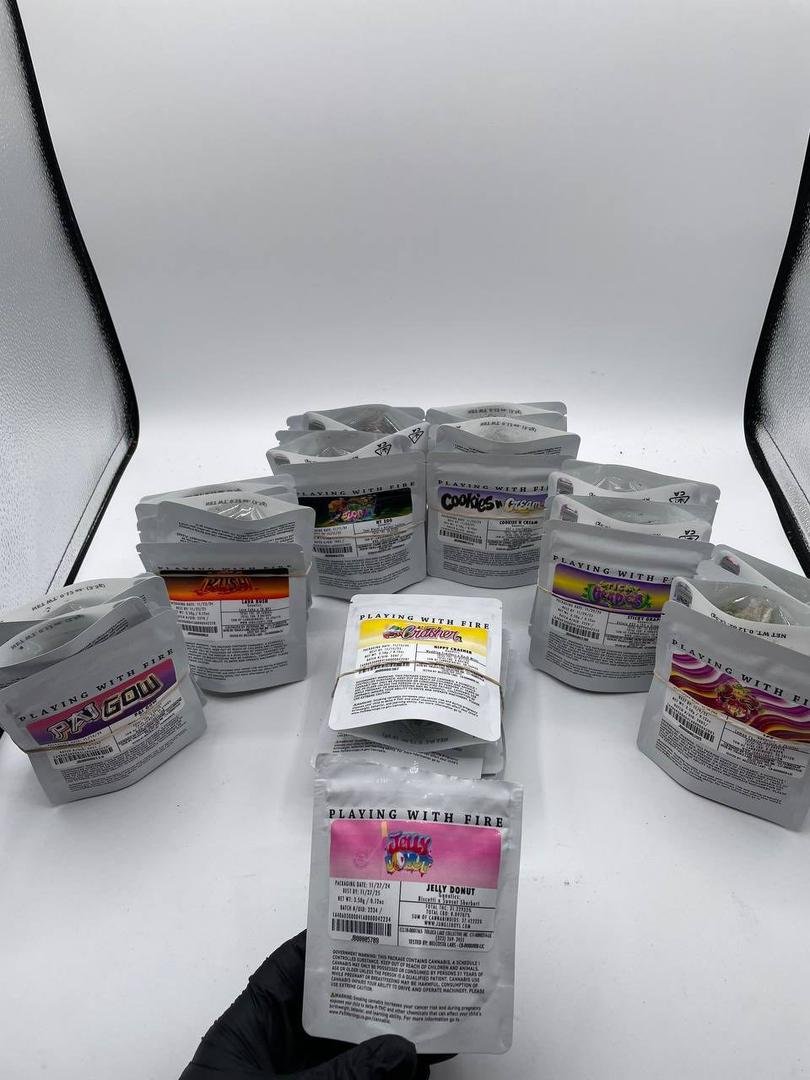
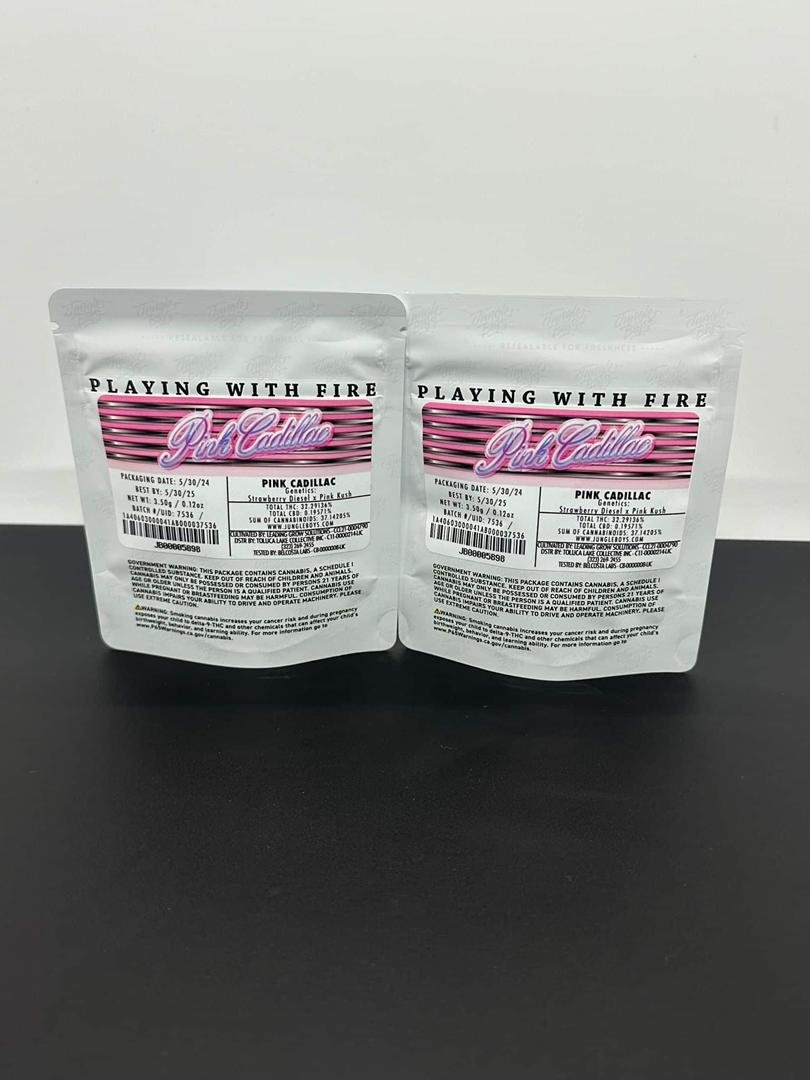
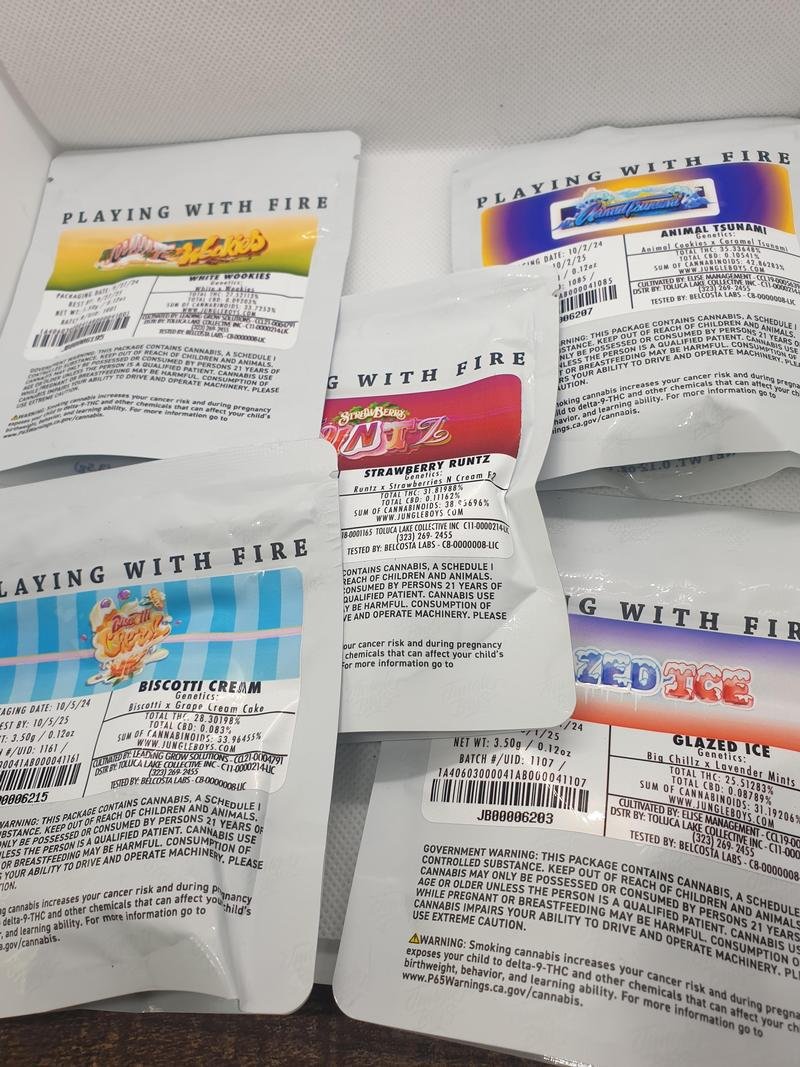
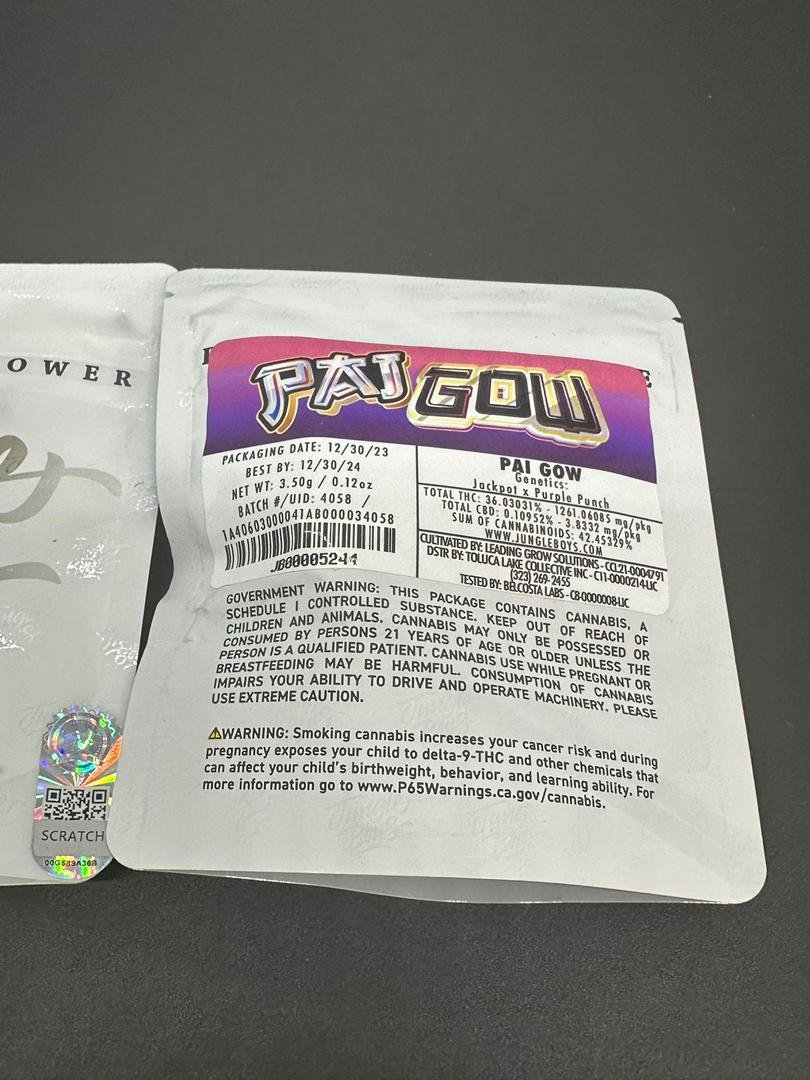
JUNGLE BOYS 1/8TH BAGS PLAYING WITH FIRE


Price range: $40.00 through $1,300.00
When you open a bag of Jungle Boys 1/8th – Playing With Fire, you’re not just meeting another premium strain—you’re experiencing the essence of modern craft cannabis. Every nug in this 3.5g bag embodies Jungle Boys’ devotion to perfection, from its hand-trimmed structure to its unforgettable aroma. Cultivated with care in top-tier indoor grow rooms, Playing With Fire represents a flawless fusion of science, art, and legacy.
jungle boys 1/8th weed
JUNGLE BOYS 1/8TH BAGS – PLAYING WITH FIRE
Product Overview
JUNGLE BOYS 1/8TH BAGS – PLAYING WITH FIRE is a cannabis flower product packaged in an eighth-ounce format. This product is intended for adult consumers in jurisdictions where cannabis possession and use are permitted under applicable laws and regulations.
The product is supplied in a sealed package designed to help maintain freshness and protect product integrity during storage and handling. Packaging specifications, cannabinoid content, batch information, and testing details may vary depending on the production lot and regional regulatory requirements.
Product Information
Package Size
- Product Format: Cannabis Flower
- Package Type: 1/8th Bag
- Net Weight: 3.5 grams
- Brand: Jungle Boys
- Product Name: Playing With Fire
Storage Guidance
For optimal preservation, the product should be stored:
- In a cool, dry location
- Away from direct sunlight
- In its original sealed packaging when possible
- Out of reach of children and pets
Regulatory Information
Cannabis products are regulated differently across jurisdictions. Consumers should review local laws, regulations, and age requirements before purchasing, possessing, or using cannabis products.
Laboratory Testing
Where required by law, cannabis products may undergo laboratory testing for:
- Cannabinoid content
- Microbial contaminants
- Heavy metals
- Residual solvents
- Pesticides
Testing requirements and available results vary by region and manufacturer.
Packaging Features
Product Packaging May Include
- Batch identification information
- Manufacturing details
- Regulatory compliance labeling
- Cannabinoid profile information
- Safety warnings
- Storage recommendations
Consumer Considerations
Before using any cannabis product, individuals should review all package instructions, warnings, and applicable legal requirements. Those who are pregnant, nursing, taking medications, or managing health conditions should consult a qualified healthcare professional regarding cannabis use.
Important Notice
This description is intended for informational and cataloging purposes only. Product availability, composition, labeling, and regulatory status vary by location. Always follow local laws and manufacturer guidance regarding cannabis products.
JUNGLE BOYS 1/8TH BAGS – PLAYING WITH FIRE
Packaging Standards, Quality Assessment, Storage Practices, and Consumer Information
Understanding the 1/8th Flower Category
The 1/8th-ounce package format remains one of the most commonly recognized flower package sizes within regulated cannabis markets. Containing approximately 3.5 grams of dried cannabis flower, this format has become widely used because it offers a balance between quantity, portability, and storage convenience.
Across licensed cannabis markets, flower products are frequently offered in several package sizes. However, the 1/8th category continues to occupy a central position within retail inventories. Consequently, manufacturers often dedicate significant attention to packaging design, freshness preservation, compliance labeling, and product presentation.
Because cannabis flower is a natural agricultural product, consistency may vary between harvests. Environmental factors, cultivation methods, harvesting techniques, curing practices, and storage conditions may all influence the final characteristics observed by consumers. Therefore, each production batch may present unique qualities while remaining within established quality-control standards.
Why Packaging Matters
Product Protection
Packaging serves several important purposes beyond visual presentation.
First, product integrity is protected through barriers designed to minimize exposure to environmental factors. Additionally, contamination risks may be reduced when products remain sealed until use.
Furthermore, compliant packaging often incorporates features intended to support safety and regulatory requirements.
Important packaging objectives include:
- Preserving freshness
- Limiting moisture fluctuations
- Reducing exposure to oxygen
- Protecting against light degradation
- Maintaining product identification
- Supporting regulatory compliance
- Providing consumer information
Consequently, packaging design represents a significant component of the overall cannabis supply chain.
Information Accessibility
Modern cannabis packaging frequently includes detailed information intended to assist consumers in making informed decisions.
Common labeling elements may include:
- Product name
- Brand information
- Batch identification
- Net weight
- Packaging date
- Harvest information
- Cannabinoid content
- Laboratory testing references
- Regulatory warnings
- Storage recommendations
As a result, consumers are provided with important information that can support responsible product handling. how much is in a quarter pound of weed, cannaoil slow cooker no decarb
Cannabis Flower Quality Considerations
Visual Assessment
Visual assessment represents one of the most common methods used to evaluate flower appearance.
Although appearance alone cannot determine quality, several observable characteristics are frequently examined.
These characteristics may include:
- Color variation
- Flower structure
- Trim quality
- Surface appearance
- Consistency throughout the package
Because cannabis genetics vary significantly, visual characteristics may differ substantially among cultivars.
Therefore, no single appearance profile should be viewed as universally representative of all cannabis flower products.
Moisture Balance
Proper moisture management plays a critical role throughout cultivation, drying, curing, packaging, and storage processes.
Excessively dry flower may become brittle over time. Conversely, excessive moisture can contribute to quality concerns and potential storage issues.
For this reason, producers often implement moisture-control procedures designed to support product stability.
Additionally, packaging technologies may be selected specifically to help maintain appropriate environmental conditions during storage and distribution.
Product Consistency
Consistency is frequently evaluated throughout the production process.
Quality-control programs may include:
- Batch monitoring
- Process verification
- Recordkeeping procedures
- Environmental controls
- Inspection protocols
Through these practices, manufacturers seek to maintain product uniformity while complying with applicable regulations. faded vapes, what is a grabba leaf
The Role of Laboratory Testing
Importance of Testing
Laboratory testing serves as a critical component of regulated cannabis markets.
Independent testing programs are often required by law before products can be distributed to consumers.
Testing frameworks vary among jurisdictions; however, many programs evaluate similar categories.
Common testing areas include:
- Cannabinoid analysis
- Pesticide screening
- Heavy metal testing
- Residual solvent testing
- Microbial analysis
- Contaminant screening
As regulatory standards continue evolving, testing requirements may become increasingly comprehensive. faded vapes, what is a grabba leaf
Cannabinoid Analysis
Cannabinoids are naturally occurring compounds found within cannabis plants.
Laboratory analysis may identify concentrations of cannabinoids present within a specific batch.
Depending on jurisdictional requirements, reported values may include:
- Total THC
- Total CBD
- Individual cannabinoid measurements
- Aggregate cannabinoid totals
Testing results help provide transparency regarding product composition. alcopolco gold, growing weed stages, growing weed stages
Consequently, consumers can review information that may assist them in understanding product characteristics.
Contaminant Screening
Contaminant screening remains an essential safety measure.
Testing laboratories may analyze products for:
- Microbial contaminants
- Heavy metals
- Chemical residues
- Environmental contaminants
These assessments help verify compliance with applicable standards established by regulatory authorities. alcopolco gold, growing weed stages, growing weed stages
Understanding Batch Identification
Why Batch Numbers Matter
Batch identification supports product traceability throughout the supply chain.
Each production lot may receive a unique identifier that allows products to be tracked from cultivation through retail distribution.
Traceability systems may support:
- Product recalls
- Compliance verification
- Inventory management
- Testing documentation
- Consumer transparency
Because traceability represents a cornerstone of regulated cannabis systems, batch information is commonly displayed on product packaging.
Recordkeeping Benefits how to dab crumble, puns of weed
Comprehensive recordkeeping assists producers, regulators, laboratories, and retailers.
Important records may include:
- Cultivation dates
- Harvest records
- Testing documentation
- Packaging information
- Distribution records
Together, these systems contribute to accountability throughout the cannabis industry. how to dab crumble, puns of weed
Proper Storage Practices
Environmental Factors
Several environmental conditions may influence stored cannabis flower.
Important considerations include:
- Temperature
- Humidity
- Light exposure
- Air exposure
- Handling frequency
When products are stored improperly, quality characteristics may change over time.
Therefore, following manufacturer storage recommendations is generally advisable.
Temperature Management
Moderate temperatures are typically recommended for cannabis flower storage.
Excessive heat may accelerate degradation processes. Meanwhile, significant temperature fluctuations may influence product stability.
For these reasons, products are often stored away from:
- Heating vents
- Direct sunlight
- Hot vehicles
- Appliances generating heat
Consistent storage conditions may contribute to maintaining product quality.
Light Protection
Light exposure can affect plant-derived compounds over time.
Accordingly, many cannabis packages incorporate opaque or partially opaque materials designed to reduce light penetration.
Additional protective measures may include:
- Tinted containers
- Protective films
- Secondary packaging layers
Such design choices are frequently intended to support long-term product preservation. potluck dispensary, potluck dispensary, how can I sell weed
Responsible Consumer Education
Reading Product Labels
Consumers are encouraged to review packaging information carefully before use.
Label details may provide important information regarding:
- Product contents
- Testing information
- Safety warnings
- Storage guidance
- Regulatory notices
Because labeling requirements vary between jurisdictions, package formats may differ among products and regions. what is shatter wax, how does hybrid weed make you feel, weed plant male
Following Legal Requirements
Cannabis laws vary significantly between jurisdictions.
Before purchasing or possessing cannabis products, consumers should confirm:
- Legal age requirements
- Possession limits
- Transportation regulations
- Consumption restrictions
- Local licensing requirements
Compliance with applicable laws remains the responsibility of the consumer.
Awareness of Product Differences
Cannabis flower products may differ substantially in:
- Genetics
- Cultivation methods
- Processing techniques
- Cannabinoid profiles
- Appearance characteristics
Consequently, consumers should avoid assuming that all flower products possess identical characteristics.
Instead, product information should be reviewed individually whenever available.
Industry Quality Assurance Practices
Manufacturing Oversight
Licensed operators often implement quality-management procedures designed to support consistency and compliance.
Programs may include:
- Standard operating procedures
- Employee training
- Environmental monitoring
- Documentation controls
- Equipment maintenance
Collectively, these measures contribute to product stewardship throughout production. what does pot taste like, grava smoking, grava smoking
Continuous Improvement
Quality systems frequently evolve as scientific understanding, regulatory requirements, and industry best practices continue advancing.
Areas commonly targeted for improvement include:
- Packaging performance
- Product stability
- Testing accuracy
- Supply-chain transparency
- Consumer education
As a result, ongoing refinement remains an important aspect of modern cannabis operations.
Conclusion
The JUNGLE BOYS 1/8TH BAGS – PLAYING WITH FIRE product format represents a packaged cannabis flower category commonly found within regulated cannabis markets. Beyond the product itself, numerous factors contribute to consumer understanding, including packaging standards, laboratory testing, storage recommendations, traceability systems, and regulatory compliance requirements. fonto for weed, does indica make you laugh, 6gs of shrooms, dab crumble,
JUNGLE BOYS 1/8TH BAGS – PLAYING WITH FIRE
Cultivation Background, Processing Standards, Supply-Chain Transparency, and Industry Practices
Introduction to Cannabis Production Systems
Cannabis flower products available within regulated markets are the result of a complex production process involving cultivation, harvesting, drying, curing, testing, packaging, and distribution. Each stage contributes to the characteristics ultimately observed in the finished product.
Because cannabis is an agricultural commodity, production outcomes are influenced by numerous variables. Environmental conditions, cultivation methodologies, genetics, irrigation practices, nutrient management, and post-harvest handling procedures can all affect the final product.
Consequently, modern cannabis operations often implement structured production systems designed to support consistency, quality assurance, and regulatory compliance.
Cannabis Genetics and Cultivar Development
Understanding Cannabis Cultivars
Cannabis cultivars are developed through selective breeding practices intended to preserve specific plant characteristics across generations.
A cultivar may be distinguished by various traits, including:
- Growth patterns
- Flower structure
- Plant morphology
- Cannabinoid composition
- Aromatic characteristics
- Environmental adaptability
Because cultivars may respond differently to cultivation conditions, growers frequently tailor production practices to the needs of individual plant varieties.
Genetic Stability
Maintaining genetic consistency is an important objective within regulated cultivation programs.
To support this goal, producers may utilize:
- Mother plant preservation
- Clonal propagation
- Genetic recordkeeping
- Controlled breeding programs
- Cultivation monitoring systems
These practices help maintain predictable production outcomes across multiple harvest cycles. world’s most expensive weed, sex a weed plant
Controlled Cultivation Environments
Environmental Management
Many licensed cultivation facilities utilize controlled environments designed to support plant development throughout the growth cycle.
Environmental variables commonly monitored include:
- Temperature
- Relative humidity
- Air circulation
- Carbon dioxide levels
- Lighting schedules
- Irrigation frequency
By carefully managing these variables, cultivators can establish conditions that support plant health and production consistency.
Lighting Technologies
Lighting systems play a significant role within indoor cultivation environments.
Several technologies may be utilized, including:
- LED lighting systems
- High-pressure sodium fixtures
- Ceramic metal halide systems
- Hybrid lighting configurations
Lighting strategies are often selected based on efficiency goals, facility design, and cultivation objectives.
Furthermore, lighting schedules may be adjusted throughout different stages of plant development.
Airflow and Ventilation
Air circulation contributes to environmental stability within cultivation facilities.
Proper airflow may assist with:
- Temperature regulation
- Humidity management
- Environmental consistency
- Equipment performance
- Facility maintenance
For this reason, ventilation infrastructure is frequently incorporated into facility design plans.
Harvesting Procedures
Determining Harvest Timing
Harvest timing represents an important decision during cannabis production.
Cultivators often evaluate multiple factors before initiating harvest operations.
These considerations may include:
- Plant maturity
- Cultivation schedules
- Environmental conditions
- Production planning requirements
- Quality-control objectives
Because harvest timing influences downstream processing activities, careful planning is typically employed.
Harvest Handling
Following harvest, plant material is generally transferred into designated processing areas.
Post-harvest objectives may include:
- Preserving plant integrity
- Maintaining traceability
- Supporting quality assurance
- Preparing material for drying
As a result, documented handling procedures are often established to promote consistency throughout operations.
Drying and Moisture Reduction
Purpose of Drying
Drying serves as a critical stage within cannabis production.
Freshly harvested plant material contains substantial moisture that must be reduced before long-term storage or packaging.
Drying procedures are designed to:
- Lower moisture content
- Promote stability
- Support storage readiness
- Prepare material for curing
Because excessive moisture may contribute to storage concerns, careful moisture management remains essential.
Environmental Monitoring During Drying
Drying environments may be monitored to help maintain appropriate conditions.
Commonly monitored factors include:
- Temperature levels
- Relative humidity
- Air movement
- Processing duration
By controlling these variables, operators seek to achieve consistent outcomes across production batches. bulk thc, female cannabis, female cannabis ,
Curing Practices
What Is Curing?
Curing refers to a post-drying process intended to further stabilize cannabis flower before packaging and distribution.
During curing, products may be maintained under carefully controlled environmental conditions.
Objectives often include:
- Moisture balancing
- Product stabilization
- Storage preparation
- Quality preservation
Because curing protocols vary among producers, implementation methods may differ across facilities.
Documentation and Oversight
Many regulated operators document curing procedures through internal quality-management systems.
Records may include:
- Batch identification
- Environmental readings
- Processing timelines
- Inspection results
- Quality assessments
These records contribute to accountability and traceability throughout production operations.
Quality-Control Programs
Inspection Procedures
Quality-control inspections may occur at multiple stages of production.
Inspection activities may include:
- Visual evaluations
- Packaging verification
- Label review
- Documentation audits
- Inventory reconciliation
By conducting routine inspections, facilities can identify potential issues before products enter distribution channels.
Standard Operating Procedures
Standard operating procedures provide structured guidance for operational activities.
Documented procedures may address:
- Cultivation activities
- Harvest operations
- Processing workflows
- Packaging requirements
- Equipment maintenance
- Employee responsibilities
Consequently, standardization supports consistency across production cycles. what does 7g of weed look like , cannabis growing stages, grabba in weed
Supply-Chain Transparency
Importance of Traceability
Traceability systems are widely recognized as essential components of regulated cannabis markets.
These systems help establish a documented record of product movement throughout the supply chain.
Traceability objectives may include:
- Regulatory compliance
- Product accountability
- Inventory management
- Recall readiness
- Consumer confidence
As cannabis regulations evolve, traceability requirements often continue expanding.
Digital Tracking Systems
Many jurisdictions require electronic tracking systems capable of documenting product movement.
Information commonly tracked may include:
- Plant identifiers
- Harvest records
- Processing activities
- Testing status
- Packaging events
- Distribution transactions
These systems provide regulators and operators with enhanced visibility throughout the supply chain. how many gram is quarter of weed, how many grams is quarter pound of weed
Packaging and Distribution Considerations
Packaging Objectives
Packaging systems are selected to support several operational goals.
These goals may include:
- Product protection
- Compliance labeling
- Inventory management
- Consumer information
- Transportation readiness
Consequently, packaging represents a significant component of the overall production process.
Distribution Networks
After packaging and testing requirements have been satisfied, products may enter authorized distribution channels.
Distribution activities may involve:
- Inventory verification
- Transportation documentation
- Compliance reviews
- Retail delivery scheduling
Procedures vary among jurisdictions according to applicable regulatory frameworks.
Sustainability Considerations
Resource Management
Environmental sustainability has become an increasingly important topic within the cannabis industry.
Operators may evaluate opportunities to improve resource efficiency through:
- Water conservation
- Energy optimization
- Waste reduction
- Recycling initiatives
- Equipment upgrades
Because cultivation facilities can require significant operational resources, sustainability planning often receives ongoing attention.
Packaging Sustainability
Packaging materials are frequently assessed for environmental impact.
Potential sustainability initiatives may include:
- Recyclable materials
- Reduced packaging volume
- Material efficiency improvements
- Waste-minimization programs
However, sustainability objectives must often be balanced against product protection and regulatory requirements. mary jane hq, 500mg gummies thc, venta de cannabis
Consumer Education and Transparency
Access to Product Information
Transparency remains an important component of regulated cannabis markets.
Consumers may benefit from access to information regarding:
- Product origin
- Testing procedures
- Packaging details
- Storage guidance
- Regulatory disclosures
As educational resources become more widely available, consumers are increasingly able to review product-related information before making purchasing decisions.
Importance of Reliable Information
Consumers are encouraged to seek information from reputable sources, including:
- Licensed operators
- Regulatory agencies
- Accredited laboratories
- Educational organizations
Reliable information can help support informed decision-making and responsible product handling. happy high, effects to make an apple bowl, how to tell if your plant is male or female
Regulatory Compliance Frameworks
Licensing Requirements
Cannabis businesses operating within legal markets are often subject to licensing requirements established by regulatory authorities.
Licensing categories may include:
- Cultivation
- Manufacturing
- Testing
- Distribution
- Retail operations
Requirements vary significantly across jurisdictions.
Compliance Monitoring
Regulatory agencies may conduct compliance activities designed to verify adherence to applicable laws and standards.
Examples include:
- Facility inspections
- Documentation reviews
- Inventory audits
- Testing verification
- Labeling assessments
Compliance oversight contributes to accountability throughout the industry.
Future Industry Developments
Technology Integration
Technology continues to influence cannabis production and distribution practices.
Emerging innovations may include:
- Environmental automation
- Data analytics
- Inventory tracking systems
- Laboratory advancements
- Supply-chain monitoring tools
As technologies evolve, operational efficiency and transparency may continue improving.
Expanding Research
Scientific research related to cannabis cultivation, processing, and quality assurance continues developing.
Areas of ongoing study may include:
- Agricultural best practices
- Plant genetics
- Environmental optimization
- Product stability
- Analytical testing methodologies
Research findings may contribute to future improvements throughout the industry.
Conclusion
The JUNGLE BOYS 1/8TH BAGS – PLAYING WITH FIRE product category exists within a broader framework of cultivation practices, processing standards, quality-control systems, laboratory testing requirements, and regulatory oversight. From cultivation and harvesting through packaging and distribution, numerous procedures are implemented to support product consistency, transparency, and compliance.
JUNGLE BOYS 1/8TH BAGS – PLAYING WITH FIRE
Laboratory Science, Quality Assurance Systems, Packaging Regulations, and Consumer Safety
The Growing Importance of Scientific Standards
As regulated cannabis markets continue to mature, scientific standards have become increasingly important throughout the production and distribution process. Regulatory agencies, laboratories, cultivators, manufacturers, distributors, and retailers all participate in systems designed to improve transparency, accountability, and consumer protection.
Within these frameworks, laboratory testing plays a central role. Testing programs help verify product composition, identify potential contaminants, and support compliance with applicable regulations. Furthermore, quality-assurance programs work alongside laboratory requirements to establish documented procedures that guide production activities from cultivation through final packaging.
Because cannabis products are agricultural commodities, natural variation may occur between harvests. Therefore, analytical testing and quality-control systems provide valuable tools for evaluating product characteristics and maintaining consistency within established standards. what does grabba mean, half ounce of weed for sale, happy high
Understanding Cannabis Testing Laboratories
The Function of Accredited Laboratories
Independent laboratories serve as third-party organizations responsible for analyzing cannabis products according to approved testing methodologies.
Laboratories may evaluate products for:
- Cannabinoid content
- Moisture levels
- Water activity
- Heavy metals
- Pesticide residues
- Microbial contaminants
- Residual solvents
- Foreign materials
Through these evaluations, laboratories generate reports that may be used by regulators, manufacturers, retailers, and consumers.
Additionally, laboratory testing contributes to transparency by providing objective analytical information regarding a product batch.
Laboratory Accreditation
Many jurisdictions require cannabis testing laboratories to meet accreditation standards.
Accreditation programs may assess:
- Equipment calibration
- Staff qualifications
- Method validation
- Documentation practices
- Quality-management systems
- Record retention procedures
As a result, accredited laboratories are generally expected to maintain consistent analytical procedures and documented quality controls.
Cannabinoid Analysis
Measuring Naturally Occurring Compounds
Cannabinoid testing focuses on identifying and quantifying compounds naturally present within cannabis plants.
Analytical reports may include information regarding:
- Total THC
- Total CBD
- Individual cannabinoids
- Combined cannabinoid totals
Because cannabinoid concentrations may vary among cultivars and harvest batches, laboratory analysis provides a standardized approach to measurement.
Sampling Procedures
Obtaining representative samples is an important component of laboratory testing.
Sampling programs may involve:
- Batch selection procedures
- Sample preparation protocols
- Documentation requirements
- Chain-of-custody records
Proper sampling helps ensure that laboratory results accurately represent the batch being analyzed.
Microbiological Testing
Why Microbial Screening Matters
Cannabis is an agricultural product that may be exposed to environmental microorganisms during cultivation, harvesting, processing, and storage.
Microbial testing programs may evaluate products for:
- Yeast
- Mold
- Bacterial contaminants
- Other microorganisms identified by regulatory standards
These assessments help determine whether products meet applicable safety requirements established by regulatory authorities.
Environmental Controls
Cultivation and processing facilities often implement environmental-management practices intended to reduce contamination risks.
Examples include:
- Controlled humidity management
- Air filtration systems
- Sanitation programs
- Employee hygiene protocols
- Equipment cleaning procedures
Together, these measures support overall product quality and facility compliance.
Heavy Metal Screening
Sources of Heavy Metals
Heavy metals may occur naturally within soil and water environments. Consequently, agricultural products may be evaluated for heavy metal content as part of regulatory testing programs.
Testing may include screening for:
- Lead
- Arsenic
- Cadmium
- Mercury
Regulatory limits vary by jurisdiction; however, testing programs are generally designed to identify products that exceed allowable thresholds.
Risk Management
Cultivators may implement preventive measures such as:
- Water-quality monitoring
- Soil assessments
- Environmental testing
- Supplier verification programs
These efforts help support compliance with applicable safety standards. cannabis plant growth stages, pound of weed bag, what does grabba mean
Pesticide Analysis
Agricultural Inputs and Compliance
Cannabis cultivation programs may be subject to restrictions regarding pesticide usage.
Because regulatory requirements differ among jurisdictions, approved products and application standards may vary significantly.
Laboratory testing helps verify compliance with applicable pesticide regulations.
Documentation Requirements
Many production facilities maintain records relating to:
- Agricultural inputs
- Application schedules
- Supplier information
- Inventory controls
Documentation supports traceability and compliance verification throughout the cultivation process. stages of cannabis growth, sex pot plants
Water Activity and Moisture Evaluation
Understanding Water Activity
Water activity refers to the amount of unbound water available within a product.
Laboratories may evaluate water activity because excessive moisture can influence product stability during storage.
Monitoring water activity may assist producers in:
- Assessing storage readiness
- Evaluating product stability
- Supporting quality-control programs
Moisture Content Analysis
Moisture analysis is frequently performed alongside water-activity testing.
Together, these measurements provide valuable information regarding product condition and storage characteristics. sample 5 grams pot, stages of cannabis growth
Quality Assurance Systems
Building a Quality Culture
Quality assurance extends beyond laboratory testing.
Comprehensive quality programs often include:
- Employee training
- Documentation systems
- Corrective-action procedures
- Process monitoring
- Internal audits
Because quality management involves continuous oversight, organizations frequently establish dedicated personnel responsible for program administration.
Continuous Improvement Programs
Many facilities incorporate continuous-improvement initiatives designed to enhance operational performance.
Improvement efforts may focus on:
- Production efficiency
- Product consistency
- Documentation accuracy
- Training effectiveness
- Equipment reliability
Over time, these initiatives may contribute to stronger quality-management outcomes.
Packaging Regulations and Compliance
Regulatory Labeling Requirements
Cannabis packaging may be subject to extensive labeling requirements depending on jurisdiction.
Labels commonly include:
- Product identification
- Net weight
- Batch numbers
- Testing references
- Packaging dates
- Regulatory warnings
- Manufacturer information
These requirements are intended to provide consumers with access to important product information. what is a qp in weed, sexing pot plants
Child-Resistant Packaging
Many jurisdictions require child-resistant packaging for cannabis products.
Child-resistant designs may include:
- Push-and-turn mechanisms
- Locking features
- Specialized closures
- Certified safety systems
These requirements are generally intended to reduce accidental access by children.
Transportation and Distribution Controls
Secure Transportation Practices
Cannabis distribution systems frequently require documented transportation procedures.
Transportation records may include:
- Inventory manifests
- Vehicle information
- Transfer documentation
- Delivery confirmations
Such procedures support accountability throughout the supply chain.
Inventory Verification
Inventory-management systems help ensure that products remain traceable during movement between licensed entities.
Verification procedures may involve:
- Barcode scanning
- Digital tracking systems
- Inventory reconciliation
- Batch confirmation processes
Accurate inventory records contribute to regulatory compliance and operational transparency. qp in ounces, aaa weed, aaa weed, how much is a qp of weed in oz
Consumer Safety Information
Reading Product Documentation
Consumers are encouraged to review product labels and accompanying information before handling cannabis products.
Important information may include:
- Storage recommendations
- Regulatory warnings
- Testing references
- Manufacturer details
- Batch identifiers
Reviewing this information can help consumers better understand product documentation.
Safe Storage Practices
Cannabis products should generally be stored:
- In secure locations
- Away from children
- Away from pets
- Away from excessive heat
- Away from direct sunlight
Following storage recommendations may help maintain product integrity over time. qp weed, is a 500 mg edible strong, sativa 100 strain, fantsasy mushroom gummies
Traceability and Product Accountability
The Importance of Batch Tracking
Batch-tracking systems provide a mechanism for identifying product history.
Traceability records may connect:
- Cultivation activities
- Processing events
- Testing results
- Packaging records
- Distribution transactions
These systems support accountability across the supply chain.
Recall Preparedness
Although recalls are relatively uncommon, traceability systems help facilitate efficient response procedures when necessary.
Recall readiness may include:
- Product identification protocols
- Consumer notification procedures
- Inventory controls
- Documentation systems
Preparedness contributes to overall consumer protection efforts. how much is a pound of weed in a dispensary, qp in bud
Industry Trends and Future Developments
Enhanced Analytical Technologies
Laboratory science continues evolving as new analytical tools become available.
Emerging technologies may improve:
- Detection sensitivity
- Testing efficiency
- Data accuracy
- Reporting capabilities
As innovation continues, testing methodologies may become increasingly sophisticated.
Greater Transparency
Consumers increasingly seek information regarding product origin, testing practices, and production standards.
In response, industry participants may continue expanding transparency initiatives through:
- Digital product records
- Educational resources
- Enhanced labeling systems
- Accessible testing information
These developments may contribute to a more informed marketplace.
Conclusion
The JUNGLE BOYS 1/8TH BAGS – PLAYING WITH FIRE product category exists within a regulated environment supported by laboratory science, quality-assurance systems, packaging standards, and consumer-protection measures. Through testing programs, traceability systems, compliance requirements, and operational oversight, stakeholders throughout the supply chain work to maintain accountability and transparency. pound of kush, a pound of weed, one pound of weed
JUNGLE BOYS 1/8TH BAGS – PLAYING WITH FIRE
Industry Regulations, Consumer Education, Packaging Innovation, and Future Market Developments
Introduction
Cannabis products sold within regulated markets exist within a highly structured framework involving cultivation standards, manufacturing requirements, laboratory testing programs, distribution controls, packaging regulations, and consumer-protection measures. These systems are designed to support accountability, transparency, and compliance throughout the product lifecycle.
Products packaged in the 1/8th flower category, including offerings such as JUNGLE BOYS 1/8TH BAGS – PLAYING WITH FIRE, move through multiple stages before reaching authorized retail environments. Each stage is typically documented, monitored, and regulated according to applicable legal requirements.
Understanding these systems can provide valuable context regarding how cannabis products are produced, tested, tracked, packaged, and distributed within legal markets. faded thc pen, jar of kief, sativa strains list
Regulatory Frameworks Within Legal Cannabis Markets
Purpose of Regulation
Cannabis regulations are generally developed to establish clear standards governing product production and distribution.
Regulatory objectives may include:
- Consumer protection
- Product accountability
- Public safety
- Industry transparency
- Product testing requirements
- Supply-chain monitoring
As cannabis laws continue evolving worldwide, regulatory structures may differ significantly from one jurisdiction to another.
Consequently, consumers should review local regulations to understand the requirements applicable within their region.
Licensing Structures
Most regulated cannabis markets utilize licensing systems designed to oversee industry participants.
License categories may include:
- Cultivation licenses
- Processing licenses
- Manufacturing licenses
- Distribution licenses
- Laboratory licenses
- Retail licenses
Each category may be subject to specific operational requirements established by regulators. 1 pound of weed, boost edibles, pound of bud
The Role of Compliance Programs
Compliance Monitoring
Compliance programs help organizations maintain adherence to legal obligations.
Typical compliance activities may include:
- Documentation reviews
- Internal audits
- Employee training
- Inventory verification
- Facility inspections
These activities support accountability throughout cannabis operations.
Corrective Action Procedures
When operational issues are identified, organizations often implement corrective-action programs.
These programs may involve:
- Root-cause analysis
- Documentation updates
- Employee retraining
- Process modifications
- Follow-up evaluations
Corrective-action systems contribute to continuous operational improvement.
Consumer Education Initiatives
Importance of Educational Resources
Consumer education has become an increasingly important component of regulated cannabis markets.
Educational resources may help individuals better understand:
- Product labeling
- Packaging information
- Regulatory warnings
- Laboratory testing
- Storage recommendations
Providing access to reliable information can support informed decision-making.
Reading Product Labels
Cannabis labels frequently contain detailed information regarding product characteristics and regulatory compliance.
Consumers may encounter information such as:
- Product name
- Brand identification
- Batch numbers
- Net weight
- Testing references
- Packaging dates
- Storage instructions
Understanding these labeling elements may help consumers interpret product information more effectively. wholesale cannabis outlet, raspberry cough strain, potlucki
Understanding Product Traceability
Seed-to-Sale Tracking Systems
Many regulated markets utilize comprehensive tracking programs that document product movement throughout the supply chain.
Tracking systems may record:
- Cultivation activities
- Harvest events
- Processing operations
- Testing milestones
- Packaging records
- Distribution transactions
These systems support regulatory oversight and product accountability.
Benefits of Traceability
Traceability programs provide several important benefits.
Examples include:
- Improved transparency
- Inventory accountability
- Recall readiness
- Compliance verification
- Supply-chain visibility
As technology advances, tracking systems continue becoming more sophisticated and comprehensive.
Packaging Innovation in Modern Cannabis Markets
Evolution of Packaging Standards
Cannabis packaging has evolved significantly as legal markets have matured.
Early packaging systems often emphasized basic containment. However, modern packaging programs frequently incorporate multiple objectives simultaneously.
These objectives may include:
- Product protection
- Regulatory compliance
- Child resistance
- Inventory management
- Information accessibility
As a result, packaging has become an important operational component throughout the cannabis industry.
Materials and Design Considerations
Manufacturers evaluate numerous factors when selecting packaging materials.
Common considerations may include:
- Durability
- Environmental impact
- Product compatibility
- Storage performance
- Regulatory requirements
Packaging design choices often reflect a balance between protection, compliance, functionality, and sustainability goals. what does 2 gram look like, stages of marijuana growth, bubblegum hash
Sustainability and Environmental Responsibility
Industry Sustainability Efforts
Environmental sustainability has emerged as a major area of focus throughout many agricultural industries, including cannabis.
Organizations may explore initiatives such as:
- Energy-efficiency improvements
- Water-conservation programs
- Waste-reduction strategies
- Recycling efforts
- Sustainable procurement practices
Because cultivation and processing operations can require substantial resources, sustainability planning often remains an ongoing priority.
Packaging Sustainability
Packaging materials frequently receive particular attention within sustainability initiatives.
Potential approaches may include:
- Recyclable materials
- Reduced material usage
- Improved packaging efficiency
- Responsible sourcing programs
Nevertheless, sustainability objectives must often be balanced with product-protection and regulatory requirements.
Data Management and Digital Transformation
Expanding Use of Technology
Technology increasingly influences nearly every aspect of cannabis operations.
Digital tools may support:
- Inventory management
- Environmental monitoring
- Quality assurance
- Compliance reporting
- Supply-chain tracking
These technologies can help organizations improve operational visibility and documentation accuracy.
Data Integrity
Reliable data-management systems are essential for regulatory compliance.
Organizations often implement procedures designed to ensure:
- Accurate recordkeeping
- Secure information storage
- Audit readiness
- Documentation consistency
Strong data-management practices contribute to accountability throughout the product lifecycle. what is water hash, similar to weedmaps, how to rolls cone, how to make badder
Product Quality and Consistency
Factors Influencing Product Characteristics
Cannabis flower characteristics may be influenced by numerous variables.
Examples include:
- Genetics
- Environmental conditions
- Cultivation practices
- Harvest timing
- Drying procedures
- Curing methods
- Storage conditions
Because these factors interact throughout production, variation may occur between harvest batches.
Quality-Control Objectives
Quality-control systems are designed to support consistency and process reliability.
Programs may focus on:
- Process monitoring
- Documentation reviews
- Product inspections
- Testing verification
- Corrective-action management
These activities contribute to maintaining established operational standards.
The Importance of Storage Education
Environmental Considerations
Storage conditions may influence product preservation over time.
Factors commonly considered include:
- Temperature stability
- Humidity management
- Light exposure
- Air exposure
Manufacturers frequently provide storage recommendations intended to help preserve product quality.
Storage Awareness
Consumers are generally encouraged to:
- Follow package instructions
- Maintain secure storage locations
- Protect products from environmental extremes
- Retain original labeling information
Proper storage practices support product identification and accountability.
Consumer Safety and Responsibility
Reviewing Product Information
Consumers should review available product information before handling cannabis products.
Information may include:
- Regulatory warnings
- Storage guidance
- Batch identification
- Testing references
- Manufacturer details
Reviewing these materials can support informed product handling.
Understanding Legal Requirements
Cannabis laws vary widely across jurisdictions.
Consumers should remain aware of:
- Age restrictions
- Possession limits
- Transportation rules
- Consumption regulations
- Local licensing requirements
Compliance with applicable laws remains an important consideration for all consumers. how many 3.5 in a qp, weed male or female, weed male or female,
Research and Scientific Advancement
Expanding Scientific Knowledge
Research related to cannabis cultivation, processing, testing, and quality assurance continues developing.
Areas of investigation may include:
- Plant genetics
- Agricultural techniques
- Laboratory methodologies
- Product stability
- Environmental management
Scientific findings may contribute to future improvements throughout the industry.
Collaboration Across Sectors
Progress often involves collaboration among:
- Researchers
- Regulators
- Laboratories
- Cultivators
- Manufacturers
- Educational institutions
Such collaboration may help advance industry standards and best practices. sex weed plants, pink rhino strain, stages of pot plant growth
Future Directions for the Cannabis Industry
Continued Regulatory Evolution
Regulatory frameworks continue evolving as governments gain experience overseeing legal cannabis markets.
Future developments may include:
- Updated testing requirements
- Expanded traceability systems
- Enhanced packaging standards
- New reporting obligations
Organizations operating within regulated markets must remain informed regarding regulatory changes.
Innovation and Transparency
Future industry developments may increasingly emphasize:
- Digital transparency tools
- Advanced testing technologies
- Sustainable operations
- Consumer education initiatives
- Supply-chain visibility
These trends may contribute to greater accountability and improved access to information.
Final Summary
JUNGLE BOYS 1/8TH BAGS – PLAYING WITH FIRE exists within a broader ecosystem of cultivation practices, quality-assurance programs, laboratory testing requirements, packaging regulations, distribution controls, and consumer-protection measures. From cultivation and harvest through testing, packaging, and retail distribution, multiple layers of oversight support transparency and accountability within regulated cannabis markets. pink bubba, high dosage gummies, bho honey oil, thunder bay dispensary
Be the first to review “JUNGLE BOYS 1/8TH BAGS PLAYING WITH FIRE”
Related products


Reviews
There are no reviews yet.