



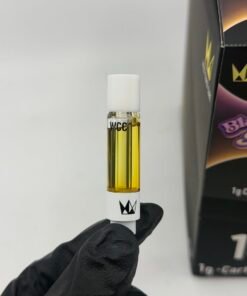
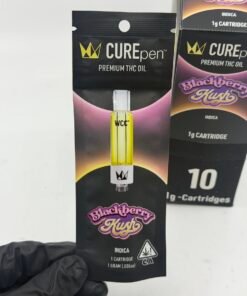
JUNGLE BOYS 1G CANNABIS CARTRIDGE LIVE RESIN


Price range: $20.00 through $900.00
When innovation meets authenticity, the result is nothing short of iconic—and that’s exactly what you get with the Jungle Boys 1G Cannabis Cartridge Live Resin. Representing the perfect harmony between craftsmanship, potency, and flavor, this premium vape cartridge stands as a symbol of quality in today’s competitive cannabis market. Jungle Boys, a name synonymous with elite cultivation and connoisseur-grade flower, continues to redefine the standard for purity with every drop of its Live Resin concentrate.
jungle boys 1g cartridge
Understanding Live Resin Cartridge Technology: A Complete Educational Guide
Introduction to Cartridge-Based Concentrate Systems
Cartridge-based vaporization systems have been widely discussed in modern concentrate markets. Furthermore, these systems are often described as portable devices designed for vaporizing pre-filled oil extracts through compatible batteries.
Additionally, educational discussions surrounding these products often focus on extraction methods, formulation differences, and hardware design rather than promotional performance claims.
Because regulations vary significantly by region, informational awareness is generally encouraged before engaging with any cannabis-related product category.
What “Live Resin” Means in Extraction Science
Live resin is commonly described as a cannabis concentrate produced from freshly harvested plant material that has been frozen prior to extraction. Moreover, this method is frequently contrasted with traditional drying and curing processes.
Key Scientific Characteristics Often Associated With Live Resin
✔ Fresh-frozen plant preservation methods
✔ Hydrocarbon extraction processes
✔ Enhanced terpene retention discussions
✔ Concentrated aromatic compound profiles
✔ Variability based on refinement levels
Furthermore, this extraction method is often studied for its ability to preserve chemical complexity compared to other concentrate types.
Cartridge Systems and General Hardware Structure
Cartridge systems are typically designed as pre-filled units that connect to rechargeable battery devices. Additionally, standardized threading systems are often used to support compatibility across different devices.
Common Structural Components Include:
- Mouthpiece section
- Oil containment chamber
- Heating element coil
- Airflow channel system
- Battery connection base
Moreover, each component is generally designed to support controlled vapor production when activated.
Industry Discussions Around Live Resin Cartridges
Live resin cartridges are frequently discussed within concentrate education spaces due to their extraction method and perceived differences from distillate-based products. Furthermore, discussions often compare texture, consistency, and aromatic profiles.
However, it should be emphasized that experiences may vary significantly depending on manufacturing standards, storage conditions, and regulatory compliance.
Important Factors That Influence Cartridge Variability
1. Extraction Method Consistency
Extraction consistency is often considered a major factor in product variation. Additionally, differences in processing techniques may result in different chemical profiles.
2. Hardware Engineering Quality
Cartridge hardware design is frequently evaluated in terms of airflow efficiency and heating stability. Moreover, construction materials may influence durability.
3. Storage and Environmental Exposure
Storage conditions are commonly discussed because heat, light, and humidity may affect concentrate stability over time.
Regulatory and Compliance Awareness
Cannabis-related products are subject to strict regulatory differences depending on jurisdiction. Therefore, awareness of local laws is generally considered essential.
Common Regulatory Focus Areas Include:
- Age restrictions and verification
- Packaging and labeling requirements
- Product testing standards
- THC and cannabinoid limits (where applicable)
- Distribution compliance rules
Furthermore, compliance frameworks may change over time depending on legislative updates.
Consumer Education and Product Understanding
Educational content plays a key role in helping individuals interpret product categories without relying on promotional claims. Additionally, it supports improved awareness of terminology and labeling systems.
Common Educational Topics Include:
✔ Extraction method explanations
✔ Cartridge hardware fundamentals
✔ Ingredient transparency discussions
✔ Regulatory compliance awareness
✔ Storage and handling basics
Moreover, education is often prioritized over marketing in informational content frameworks.
Understanding Product Labeling Information
Labels on cartridge products typically contain structured information intended for consumer awareness. Furthermore, these labels may differ depending on jurisdictional requirements.
Common Label Elements Include:
- Batch or lot identification
- Manufacturing references
- Testing or compliance indicators
- Ingredient or formulation disclosures
- Storage guidance instructions
Therefore, label interpretation is often emphasized in consumer education materials.
Why Transparency Is Frequently Discussed
Transparency has become a central theme in modern consumer discussions. Additionally, it is often associated with trust-building and information clarity.
Transparency May Include:
✔ Disclosure accessibility
✔ Testing information availability
✔ Manufacturing clarity
✔ Packaging consistency
✔ Verification mechanisms
Consequently, transparency is often considered an important informational factor.
Information Evaluation and Research Practices
Consumers are frequently encouraged to evaluate multiple sources before forming conclusions. Moreover, digital accessibility has increased the importance of critical thinking.
Common Research Behaviors Include:
- Comparing educational sources
- Reviewing regulatory information
- Examining labeling details
- Evaluating consistency across sources
Thus, informed evaluation supports better understanding.
Frequently Discussed Topics in Cartridge Education
Educational discussions around cartridge products often include:
- Extraction methods
- Hardware structure
- Label interpretation
- Regulatory awareness
- Storage conditions
- Transparency practices
Furthermore, these topics continue to shape consumer awareness content.
Thoughts
Cartridge-based concentrate systems, including live resin categories, are frequently discussed in educational contexts involving extraction science, regulatory awareness, and product interpretation. Additionally, informed understanding is generally supported through transparency and accurate information.
Because legal frameworks vary significantly across regions, individuals are typically encouraged to prioritize compliance awareness and verified educational resources when researching this category.
Live Resin Cartridge Systems: Extraction Science, Composition, and Technical Breakdown
Expanding Understanding of Live Resin in Cartridge Form
Live resin concentrates are frequently discussed in relation to modern extraction science and post-harvest handling techniques. Furthermore, these discussions often focus on how plant material is preserved before extraction and how that impacts chemical composition.
Because fresh-frozen biomass is typically used in the process, the resulting concentrate is often described as retaining a broader spectrum of volatile compounds. Additionally, this has made live resin a frequent subject in concentrate education and analytical comparisons.
However, it is important to note that results can vary depending on extraction equipment, refinement steps, and post-processing methods.
Scientific Basis of Fresh-Frozen Extraction Methods
The foundation of live resin production is generally described as the preservation of plant material immediately after harvest. Moreover, freezing is typically applied to reduce degradation of volatile compounds.
Key Scientific Principles Involved
✔ Enzyme activity reduction through freezing
✔ Preservation of terpene volatility
✔ Minimization of oxidation processes
✔ Stabilization of phytochemical profiles
Furthermore, these mechanisms are often studied in relation to how aromatic compounds degrade under heat and oxygen exposure.
Chemical Composition Discussions in Live Resin Materials
Live resin concentrates are often analyzed in terms of cannabinoids and terpenes. Additionally, the balance between these compounds is frequently discussed in educational literature.
Common Chemical Categories Include:
- Cannabinoids (such as THC and CBD in regulated contexts)
- Terpenes (aromatic compounds responsible for scent profiles)
- Flavonoids (plant-based secondary compounds)
Moreover, each category contributes differently to the overall chemical profile of the extract.
Cartridge Formulation Principles
When live resin is used in cartridge systems, additional formulation steps are often required. Therefore, viscosity, stability, and consistency become important considerations in manufacturing discussions.
Formulation Factors Typically Considered:
✔ Oil viscosity adjustment
✔ Thermal stability balancing
✔ Flow consistency for hardware compatibility
✔ Prevention of crystallization or separation
Additionally, formulation differences may affect performance across various hardware designs.
Hardware Engineering in Cartridge Systems
Cartridge hardware plays a significant role in vaporization systems. Furthermore, design differences can influence airflow, heating efficiency, and overall stability.
Core Hardware Components Include:
- Ceramic or metal heating coil
- Oil chamber reservoir
- Airflow channel design
- Mouthpiece structure
- Electrical contact base
Moreover, each component is engineered to support controlled heating and vapor formation.
Heating Mechanism and Vapor Formation
Vaporization occurs when the heating element reaches a controlled temperature range. Additionally, this process is designed to convert liquid concentrate into aerosol form without combustion.
General Process Flow:
- Electrical current activates coil
- Coil temperature increases gradually
- Oil interacts with heated surface
- Vapor is produced through aerosolization
Furthermore, temperature control is often considered critical for maintaining consistency.
Temperature Sensitivity and Compound Preservation
Different compounds within concentrates may respond differently to heat exposure. Therefore, temperature control is frequently discussed in technical literature.
Temperature-Related Considerations:
✔ Terpene volatility thresholds
✔ Cannabinoid activation ranges
✔ Risk of thermal degradation
✔ Flavor and aroma preservation
Moreover, excessive heat exposure may alter chemical composition over time.
Stability Factors in Cartridge Systems
Stability is a key concern in pre-filled cartridge products. Additionally, multiple environmental and material factors can influence performance.
Stability Influencers Include:
- Storage temperature conditions
- Exposure to light
- Oxygen interaction
- Material compatibility
- Oil viscosity consistency
Furthermore, stability considerations often guide packaging and storage recommendations.
Packaging Engineering and Protection Methods
Packaging design is often used to protect concentrate integrity during storage and transport. Moreover, packaging systems are typically designed to reduce environmental exposure.
Common Protective Features:
✔ Airtight sealing systems
✔ Light-resistant materials
✔ Tamper-evident closures
✔ Batch identification labeling
Additionally, packaging standards may vary depending on regulatory requirements.
Regulatory Framework Overview (General Educational Context)
Cannabis-related products are subject to varying regulations depending on jurisdiction. Therefore, legal frameworks often define how products are manufactured, labeled, and distributed.
Common Regulatory Focus Areas:
- Age verification requirements
- Laboratory testing standards
- Packaging compliance rules
- THC concentration limits (where applicable)
- Label disclosure requirements
Moreover, regulatory systems may evolve over time as policies change.
Analytical Testing in Legal Markets
In regulated environments, laboratory testing is often required to verify product composition. Furthermore, testing helps ensure compliance with safety standards.
Common Testing Categories Include:
✔ Cannabinoid profiling
✔ Terpene analysis
✔ Residual solvent screening
✔ Contaminant detection (e.g., pesticides, heavy metals)
Additionally, testing results are often summarized in compliance documentation.
Consumer Education and Information Clarity
Educational content is increasingly used to help consumers interpret technical product information. Moreover, clarity in labeling and documentation supports better understanding.
Key Educational Objectives:
- Improve terminology comprehension
- Support regulatory awareness
- Encourage informed interpretation
- Reduce misinformation risks
Therefore, education plays a central role in consumer awareness.
Misinterpretation Risks in Online Information
Digital environments often contain inconsistent or incomplete information. Consequently, consumers may encounter conflicting explanations.
Common Risks Include:
✔ Unverified claims
✔ Incomplete labeling interpretation
✔ Misleading comparisons
✔ Lack of regulatory context
Furthermore, evaluating credibility becomes essential in such environments.
Comparative Analysis in Cartridge Categories
Different cartridge types may vary significantly in formulation and hardware. Additionally, comparisons are often made between extract types in educational discussions.
Common Comparison Factors:
- Extraction method differences
- Terpene retention levels
- Hardware performance variability
- Stability characteristics
Moreover, comparisons are typically used for educational understanding rather than promotional evaluation.
Importance of Storage and Handling Education
Proper storage practices are often emphasized in educational materials. Therefore, environmental conditions are considered important for maintaining stability.
General Storage Guidelines Include:
✔ Avoiding excessive heat exposure
✔ Minimizing direct sunlight contact
✔ Maintaining stable temperature conditions
✔ Keeping products sealed when not in use
Additionally, handling practices may influence long-term integrity.
Live Resin Cartridge Systems: Terpene Chemistry, Cannabinoid Behavior, and Performance Variables
Expanding the Scientific Understanding of Live Resin Systems
Live resin concentrates, when discussed in educational contexts, are often analyzed through the lens of chemical preservation and compound interaction. Furthermore, these systems are frequently evaluated in terms of how volatile compounds behave under extraction, storage, and vaporization conditions.
Because cartridge-based formats introduce additional mechanical and thermal variables, the resulting system becomes a combination of chemistry and engineering. Additionally, this combination is often studied to understand performance consistency and compositional stability.
Terpene Chemistry in Live Resin Materials
Terpenes are naturally occurring aromatic compounds found in many plants. Moreover, in cannabis-derived materials, they are frequently associated with scent and flavor profiles in educational discussions.
Common Terpene Categories Discussed in Research Contexts
✔ Monoterpenes (more volatile compounds)
✔ Sesquiterpenes (heavier, less volatile compounds)
✔ Oxygenated terpenes (chemically modified forms)
Furthermore, each category may respond differently to heat and environmental exposure.
Why Terpene Preservation Is Frequently Emphasized
Terpene retention is often highlighted in extraction science due to their volatility. Therefore, processing methods are typically evaluated based on how well they preserve these compounds.
Factors That Influence Terpene Stability
- Exposure to oxygen
- Temperature fluctuations
- Light degradation
- Mechanical processing methods
Additionally, freezing techniques used in live resin production are often discussed as a method of reducing terpene loss.
Cannabinoid Composition and Behavioral Variation
Cannabinoids are chemical compounds that interact with biological systems in regulated scientific studies. Furthermore, in educational contexts, they are analyzed for structural and behavioral differences.
Common Cannabinoid Categories
✔ Major cannabinoids (e.g., THC, CBD in regulated contexts)
✔ Minor cannabinoids (trace-level compounds)
✔ Acidic precursor forms (before decarboxylation)
Moreover, the ratio of these compounds is often considered a key factor in compositional variation.
Interaction Between Cannabinoids and Terpenes
The relationship between cannabinoids and terpenes is often referred to in scientific literature as part of a broader compositional effect system. Additionally, this interaction is frequently analyzed in terms of synergy and modulation.
Key Interaction Concepts
- Compound synergy effects
- Volatility balancing
- Thermal response variation
- Chemical stability relationships
Furthermore, these interactions may vary depending on extraction and formulation methods.
Vaporization Dynamics in Cartridge Systems
Cartridge systems rely on controlled heating to produce vapor from liquid concentrates. Therefore, thermal engineering becomes an essential component of system performance.
Basic Vaporization Sequence
- Electrical energy is applied to the heating coil
- Coil temperature increases gradually
- Concentrate is heated to aerosolization range
- Vapor is produced and inhaled through airflow channels
Additionally, each stage may influence compound integrity.
Heating Element Design and Material Considerations
Heating elements in cartridge systems are typically designed using ceramic, metal, or hybrid structures. Moreover, material selection often influences heat distribution and stability.
Common Heating Element Properties
✔ Thermal conductivity
✔ Heat distribution uniformity
✔ Resistance to clogging
✔ Chemical compatibility with concentrates
Furthermore, design differences may affect long-term reliability. vaporesso not hitting, are lost mary vapes banned,
Common Performance Variables in Cartridge Systems
Cartridge performance can vary significantly depending on multiple interacting factors. Therefore, consistency is often a central topic in educational analysis.
Key Performance Influencers Include:
- Oil viscosity changes over time
- Temperature regulation accuracy
- Airflow resistance levels
- Coil saturation behavior
- Storage environment conditions
Additionally, these variables may interact in unpredictable ways. cali ul8000 where to buy, how to charge lost mary vape, caliburn coils,
Device Compatibility Considerations
Cartridge systems are often designed with standardized connectors, although compatibility issues may still arise. Furthermore, battery output differences can affect system behavior.
Compatibility Factors Include:
✔ Threading standard alignment
✔ Voltage output range
✔ Resistance matching
✔ Airflow alignment
Moreover, mismatches may result in inconsistent performance. rdl vs mtl, magbox vape, vaporesso xros 3 nano,
Cartridge Failure Modes (Educational Overview)
Cartridge systems may experience operational issues due to mechanical or chemical factors. Therefore, understanding common failure modes is important in technical discussions.
Frequently Discussed Issues
- Airflow blockage
- Coil overheating
- Oil thickening or separation
- Leakage from seals
- Electrical connection instability
Additionally, these issues are often linked to storage or manufacturing variability. nitrous rda, how much nicotine is in a elf bar
Stability and Degradation Factors
Chemical stability is a major consideration in concentrate systems. Furthermore, environmental exposure can influence degradation rates.
Primary Degradation Factors
✔ Heat exposure over time
✔ Oxygen interaction
✔ Light-induced breakdown
✔ Material incompatibility
Moreover, degradation may affect both chemical composition and physical consistency. al fakher vape juice, can you take a vape on a plane,
Quality Control in Regulated Systems
In regulated environments, quality control systems are often implemented to ensure consistency. Therefore, testing and documentation become important components.
Common Quality Control Measures
- Batch testing procedures
- Contaminant screening
- Potency verification
- Label accuracy checks
Additionally, these processes aim to improve reliability. deadrabit rta, orion 2 custom panels, boro tank
Laboratory Testing and Analytical Standards
Laboratory testing is frequently required in regulated markets. Furthermore, testing provides quantitative data about chemical composition.
Common Analytical Tests Include:
✔ Cannabinoid profiling
✔ Terpene composition analysis
✔ Residual solvent detection
✔ Heavy metal screening
✔ Pesticide residue testing
Moreover, results are typically documented for compliance purposes. lost mary cranberry soda, topside dual v4
Regulatory Influence on Cartridge Design
Regulations often influence how cartridge systems are manufactured and labeled. Therefore, compliance requirements shape product design in legal markets.
Regulatory Design Considerations
- Child-resistant packaging requirements
- Labeling accuracy standards
- Testing disclosure obligations
- Manufacturing traceability systems
Additionally, these requirements may vary across jurisdictions. vaporesso top cap stuck, lost mary battery, nexlim vape
Consumer Interpretation Challenges
Consumers may face difficulty interpreting technical information presented on packaging or in educational materials. Therefore, clear communication becomes important.
Common Interpretation Challenges Include:
✔ Technical terminology complexity
✔ Inconsistent labeling formats
✔ Varying regulatory standards
✔ Limited educational context
Moreover, these challenges highlight the importance of accessible information. 0.6 ohm coil wattage, 0.6 ohm coil wattage
Role of Educational Content in Reducing Misunderstanding
Educational resources play an important role in improving comprehension. Furthermore, structured explanations can reduce misinformation risks.
Educational Content Often Helps By:
- Clarifying technical terms
- Explaining regulatory context
- Describing system components
- Providing neutral analysis
Therefore, education remains a key informational tool. are nicotine patches legal in thailand, hatati, 0.6 ohm coil wattage
Broader Industry Trends in Cartridge Technology
Cartridge technology continues to evolve in both regulated and unregulated environments. Additionally, innovation often focuses on stability and performance consistency.
Observed Trends Include:
✔ Improved ceramic heating systems
✔ Enhanced airflow engineering
✔ Better sealing technologies
✔ More detailed labeling practices
Moreover, these trends reflect ongoing development in concentrate systems. mtl style, lost mary chargers, vaporesso xros 5 mini
Technical Insights
Live resin cartridge systems involve complex interactions between chemistry, engineering, and environmental conditions. Furthermore, terpene behavior, cannabinoid composition, and hardware design all contribute to overall system performance.
Because of these multiple variables, educational analysis remains essential for understanding variability and interpreting product-related information in a responsible manner. sonder q 2, what flavor is tiger blood snow cone, dual 21700 mod
Live Resin Cartridge Systems: Regulation, Manufacturing Standards, Safety Frameworks, and Industry Structure
Expanding the System-Level Understanding of Cartridge Products
Live resin cartridge systems are often discussed not only in terms of chemistry and hardware, but also through broader regulatory and manufacturing frameworks. Furthermore, these systems exist within structured supply chains in regulated markets, where compliance, testing, and documentation are required at multiple stages.
Because of this, understanding how these systems are governed becomes essential for interpreting product information accurately. Additionally, the structure of regulation directly influences how products are labeled, tested, and distributed.
Regulatory Frameworks in Cannabis-Related Markets
Cannabis-related products are subject to differing legal frameworks depending on jurisdiction. Therefore, regulatory conditions may vary significantly between regions and markets.
Common Regulatory Categories Include:
✔ Licensing requirements for producers
✔ Laboratory testing mandates
✔ Packaging and labeling rules
✔ Distribution restrictions
✔ Age verification laws
Furthermore, these regulations are often updated as policies evolve. lost mary arizona iced tea, ursa nano, sonder pod
Licensing and Controlled Production Systems
In regulated markets, production is typically restricted to licensed operators. Moreover, licensing systems are designed to maintain oversight across cultivation, extraction, manufacturing, and distribution stages.
Typical Licensing Stages Include:
- Cultivation licensing
- Extraction facility licensing
- Manufacturing approval
- Retail distribution authorization
Additionally, each stage is often subject to compliance inspections and documentation requirements. crown bar fusion pop flavor, lookah seahorse pro plus flashing green 5 times
Manufacturing Standards in Controlled Environments
Manufacturing standards play a critical role in ensuring consistency and safety in regulated systems. Furthermore, standardized procedures are often required to maintain product traceability.
Key Manufacturing Principles Often Applied:
✔ Controlled environment production
✔ Batch tracking systems
✔ Standard operating procedures (SOPs)
✔ Equipment calibration requirements
Moreover, these systems are designed to reduce variability between batches. 1.2 ohm coil wattage, v prime, crown bar fusion pop flavor,
Laboratory Testing and Compliance Verification
In regulated markets, laboratory testing is typically mandatory before products can enter distribution channels. Therefore, testing ensures that products meet defined safety and compliance thresholds.
Common Testing Requirements Include:
- Cannabinoid potency analysis
- Terpene composition profiling
- Residual solvent screening
- Heavy metal detection
- Microbial contamination testing
Additionally, results are usually documented in compliance reports. are lost mary vapes getting banned, sonder q2 pods,
Packaging Compliance and Consumer Safety Standards
Packaging requirements are often enforced to ensure safety, transparency, and proper handling. Furthermore, packaging design plays a regulatory role beyond aesthetics.
Common Packaging Requirements Include:
✔ Child-resistant closures
✔ Tamper-evident seals
✔ Clear labeling standards
✔ Batch identification codes
✔ Warning statements and disclosures
Moreover, packaging compliance helps maintain consistency across regulated markets. strawberry orange los mary, bm600, crown bar 15k
Labeling Systems and Information Transparency
Labeling systems are used to communicate essential product information to consumers and regulators. Therefore, accuracy and clarity are considered critical components.
Typical Label Information May Include:
- Product classification
- Batch or lot numbers
- Testing summaries
- Ingredient disclosures
- Manufacturing origin details
Additionally, labeling requirements may differ by jurisdiction. lost vape thelema, aegis nano pods, lost mary banana cake vape, lost mary ban,
Supply Chain Structure in Regulated Systems
The supply chain for cartridge-based products typically involves multiple stages. Furthermore, each stage is often monitored to maintain compliance and traceability.
Standard Supply Chain Flow:
- Cultivation or raw material sourcing
- Extraction processing
- Product formulation
- Cartridge filling and assembly
- Testing and verification
- Distribution and retail
Moreover, traceability systems are often used to track products through each stage. peach blue slushy lost mary, best compact vape, elux group, maryliq
Quality Assurance and Control Mechanisms
Quality assurance systems are implemented to ensure consistency and regulatory compliance. Additionally, these systems often include both internal and external verification processes.
Common Quality Assurance Practices:
✔ Batch sampling procedures
✔ Equipment calibration checks
✔ Process validation protocols
✔ Documentation audits
Furthermore, these practices help maintain standardized production outcomes. podmod, sonder vapes, what countries are vapes banned
Consumer Safety Frameworks in Regulated Markets
Consumer safety is a central focus in regulated cannabis systems. Therefore, multiple safeguards are implemented to reduce risk and improve transparency.
Safety-Oriented Measures Include:
- Mandatory lab testing
- Clear labeling requirements
- Age restriction enforcement
- Packaging safety standards
- Product recall systems
Additionally, these measures aim to protect end users through structured oversight. vaporesso xros pro at check, bm6000, batter than your current salt nic
Risk Awareness and Information Limitations
Even in regulated environments, consumers may encounter limitations in available information. Therefore, understanding these limitations is important for interpretation.
Common Information Gaps Include:
✔ Variation in testing standards
✔ Differences in labeling formats
✔ Limited public technical detail
✔ Inconsistent educational resources
Moreover, these gaps highlight the importance of independent research. vaporesso juices, v18 mini coils, do elf bars have nicotine,
Global Variation in Cannabis Regulation
Cannabis regulation is not standardized globally. Consequently, legal status and compliance requirements vary widely between countries and regions.
Regulatory Differences May Include:
- Legal status classification
- Medical vs. recreational frameworks
- Testing requirements
- Packaging laws
- Distribution systems
Furthermore, these differences influence how products are manufactured and labeled. hayati pro ultra plus, lost mary wednesday, hayati vape
Role of Government Agencies and Oversight Bodies
Government agencies are often responsible for enforcing cannabis-related regulations. Additionally, oversight organizations may establish standards for compliance and safety.
Common Oversight Functions Include:
✔ Licensing enforcement
✔ Compliance inspections
✔ Laboratory accreditation
✔ Product recall management
Moreover, these agencies help maintain regulatory structure. 10mg liquid, vaporesso xros pods difference, rose mary vape
Industry Standardization Efforts
Standardization efforts are often introduced to improve consistency across production systems. Therefore, industry groups may establish voluntary guidelines in addition to legal requirements.
Standardization Goals Include:
- Improving product consistency
- Enhancing safety protocols
- Supporting labeling clarity
- Encouraging testing uniformity
Additionally, these efforts may evolve alongside regulatory changes.
Consumer Interpretation of Regulatory Information
Regulatory information is often complex and technical. Therefore, consumers may benefit from simplified educational explanations.
Common Interpretation Challenges Include:
✔ Technical legal terminology
✔ Varying jurisdiction rules
✔ Complex testing documentation
✔ Inconsistent packaging formats
Moreover, these challenges highlight the importance of accessible education. drag 5.0, do elf bars have discetyl, elf bar ingredients, posh vape ban
Role of Education in Regulatory Understanding
Educational content helps bridge the gap between regulatory systems and consumer understanding. Furthermore, simplified explanations support better interpretation.
Educational Benefits Include:
- Improved comprehension of regulations
- Clearer interpretation of labels
- Better understanding of testing data
- Increased awareness of compliance systems
Therefore, education remains a key support tool.
Evolving Industry Trends in Regulation and Compliance
Regulatory frameworks continue evolving as markets mature. Additionally, new standards are frequently introduced to address emerging challenges.
Observed Trends Include:
✔ Increased testing requirements
✔ Stricter packaging standards
✔ Enhanced traceability systems
✔ Greater transparency expectations
Moreover, these trends reflect ongoing regulatory development.
System-Level Understanding
Live resin cartridge systems exist within complex regulatory and manufacturing frameworks involving licensing, testing, packaging compliance, and supply chain oversight. Furthermore, these systems are shaped by legal requirements that vary across jurisdictions.
Because of this complexity, understanding regulatory structure is essential for interpreting product information accurately and responsibly.
Live Resin Cartridge Systems: Safety Communication, Testing Methodologies, Data Transparency, and Industry Evolution
Expanding the Safety and Information Framework of Cartridge Systems
Live resin cartridge systems are often discussed within broader safety and compliance frameworks that focus on consumer awareness, laboratory validation, and transparent reporting. Furthermore, these systems operate within environments where both scientific testing and regulatory oversight intersect.
Because of this intersection, safety communication becomes a critical part of how information is structured and interpreted. Additionally, consumers are increasingly exposed to standardized reporting formats that aim to improve clarity and reduce misinformation.
Safety Communication in Regulated Product Environments
Safety communication refers to how risk, compliance, and product information are presented to consumers and regulators. Therefore, clarity and consistency are prioritized in regulated markets.
Key Safety Communication Elements Include:
✔ Warning statements and usage notices
✔ Testing result summaries
✔ Ingredient or composition disclosures
✔ Storage and handling guidance
✔ Regulatory compliance labels
Moreover, these elements are designed to improve transparency and reduce ambiguity.
Importance of Standardized Information Disclosure
Standardized disclosure systems help ensure that product information is presented in a consistent manner. Furthermore, this consistency allows for easier comparison across different products and manufacturers.
Standardization Typically Covers:
- Label structure and formatting
- Required disclosure categories
- Testing summary presentation
- Batch identification systems
Additionally, standardization reduces interpretation errors among consumers.
Laboratory Testing Methodologies in Controlled Markets
Laboratory testing plays a central role in regulated product systems. Therefore, standardized analytical methods are often used to ensure accuracy and repeatability.
Common Testing Method Categories Include:
✔ Chromatography-based cannabinoid profiling
✔ Mass spectrometry for compound identification
✔ Residual solvent analysis
✔ Heavy metal detection protocols
✔ Microbial contamination screening
Moreover, these methods are validated to ensure consistency across testing facilities.
Cannabinoid Profiling and Analytical Accuracy
Cannabinoid profiling involves measuring the concentration of various compounds within a sample. Additionally, this process is used to verify compliance with regulatory thresholds in controlled markets.
Key Aspects of Cannabinoid Profiling:
- Identification of primary cannabinoids
- Measurement of concentration levels
- Detection of minor cannabinoid presence
- Cross-validation with reference standards
Furthermore, accuracy depends on instrumentation calibration and laboratory protocols.
Terpene Analysis and Chemical Mapping
Terpene analysis is often conducted alongside cannabinoid testing. Therefore, comprehensive chemical mapping provides a broader understanding of composition.
Terpene Analysis Typically Includes:
✔ Identification of volatile compounds
✔ Concentration measurement
✔ Aroma profile categorization
✔ Stability assessment under conditions
Moreover, terpene profiles are used in comparative scientific studies.
Residual Solvent and Contaminant Screening
Safety testing also includes screening for residual solvents and contaminants. Furthermore, this ensures that manufacturing processes meet safety thresholds.
Common Contaminant Tests Include:
- Solvent residue detection
- Heavy metal screening (lead, arsenic, etc.)
- Pesticide residue analysis
- Microbial contamination checks
Additionally, these tests are essential for consumer safety assurance in regulated systems.
Data Transparency in Laboratory Reporting
Data transparency refers to how laboratory results are communicated to consumers and regulators. Therefore, clarity and accessibility are key objectives in reporting systems.
Transparent Reporting Often Includes:
✔ Summary certificates of analysis (COAs)
✔ Batch-level testing documentation
✔ Standardized measurement units
✔ Clear pass/fail indicators
Moreover, transparency helps improve trust in regulated systems.
Limitations of Testing Systems
Even advanced laboratory systems have limitations. Therefore, understanding these constraints is important for interpreting results.
Common Limitations Include:
✔ Variation between laboratories
✔ Sampling inconsistencies
✔ Instrument calibration differences
✔ Detection threshold limitations
Furthermore, these limitations highlight the importance of standardized methodologies. valyrian 3 tank, sonder q side fill pods, sonder q side fill pods
Packaging Science and Information Delivery
Packaging is not only a protective system but also an information delivery medium. Additionally, packaging design often reflects regulatory requirements. tpd vape, bar juice 5000 free delivery, mo20000, geek vape pods
Packaging Science Considerations Include:
- Material durability and barrier properties
- Light and oxygen resistance
- Tamper-evidence engineering
- Label integration design
Moreover, packaging plays a role in maintaining product integrity.
Evolution of Cartridge Technology Systems
Cartridge technology has evolved significantly over time. Furthermore, improvements in materials and design have influenced system efficiency and stability.
Observed Technological Improvements Include:
✔ Advanced ceramic heating elements
✔ Improved airflow channel design
✔ Enhanced oil viscosity compatibility
✔ Better sealing and leak prevention systems
Additionally, these advancements aim to improve reliability in controlled systems. vape wattage calculator, is lost mary banned in the us, tpd vape, bar juice 5000 free delivery, mo20000, geek vape pods
Digital Tracking and Traceability Systems
Modern regulated markets often use digital tracking systems to monitor products through the supply chain. Therefore, traceability is a key component of compliance frameworks.
Traceability Systems May Include:
- Batch identification codes
- QR-linked product records
- Supply chain documentation logs
- Distribution tracking systems
Moreover, these systems improve accountability and oversight. valyrian tank, sonder vape, blueberry raspberry lemon lost mary
Consumer Risk Awareness and Education
Risk awareness involves understanding limitations, variability, and regulatory conditions. Therefore, educational content plays an important role in improving consumer interpretation.
Key Risk Awareness Topics Include:
✔ Variability in product composition
✔ Differences in regulatory standards
✔ Interpretation of laboratory data
✔ Storage and handling sensitivity
Additionally, awareness reduces misinterpretation risks. choice slabs, al fakher vape crown bar, vandy vape, ivg air pods
Market Evolution and Industry Development
The cartridge and concentrate industry continues evolving due to technological, regulatory, and consumer-driven changes. Furthermore, these changes influence product design and information systems.
Key Market Trends Include:
- Increased regulatory enforcement
- Expanded laboratory testing requirements
- Improved packaging standards
- Greater demand for transparency
Moreover, these trends reflect maturation in regulated markets. rosemary vape, novo eco pods, rdl vaping, wenax q pro
The Role of Scientific Standardization
Scientific standardization ensures that testing and production methods remain consistent. Therefore, reproducibility and accuracy are central goals.
Standardization Benefits Include:
✔ Improved data reliability
✔ Cross-lab comparability
✔ Consistent measurement frameworks
✔ Reduced variability in reporting
Furthermore, standardization supports regulatory enforcement. indiana vape ban update today, lost marrys, fifty bar vape 20k
Consumer Interpretation of Technical Data
Technical data can be difficult to interpret without proper context. Therefore, educational materials often simplify complex results.
Interpretation Challenges Include:
- Scientific terminology complexity
- Variation in reporting formats
- Lack of standardized consumer education
- Over-reliance on numerical data without context
Moreover, education helps bridge these gaps.
Importance of Context in Data Evaluation
Data without context may lead to misinterpretation. Therefore, contextual explanation is essential in educational frameworks.
Contextual Elements Include:
✔ Regulatory thresholds
✔ Testing methodology explanations
✔ Comparison baselines
✔ Environmental factors
Additionally, context improves understanding accuracy.
Summary of Insights
Live resin cartridge systems operate within a structured environment involving laboratory testing, safety communication, packaging science, and regulatory oversight. Furthermore, transparency and standardization are central to ensuring consistent interpretation of product information.
Because of the technical nature of these systems, educational frameworks remain essential for helping consumers understand data, processes, and compliance structures. ske crystal cl6000, oxba, caliburn g3 pro pods
Be the first to review “JUNGLE BOYS 1G CANNABIS CARTRIDGE LIVE RESIN”
Related products


CARTS



Reviews
There are no reviews yet.