






MUHA MAGNET 4G – Product Information and Verification Guide
Understanding the MUHA MAGNET 4G Product Name
The MUHA MAGNET 4G name may be used to identify a cannabis-related vaping product. However, product specifications, ingredients, device features, and authenticity should not be assumed from the name alone. Therefore, consumers should verify the exact model and its labeling before making a purchasing decision.
Product information should be presented clearly so that readers can distinguish verified specifications from unconfirmed claims. In addition, accurate descriptions can help reduce confusion between similarly named products, packaging variations, and different device generations.
Product Identification and Label Details
Before relying on a product listing, the following information should be checked against reliable manufacturer documentation or applicable regulatory records:
- Product name: Confirm that the name on the packaging matches the listed model.
- Manufacturer information: Verify the responsible company and its official contact details.
- Ingredient disclosure: Review the complete ingredient list and any available laboratory testing documentation.
- Batch identification: Check the lot number and production details where provided.
- Packaging information: Examine required warnings, seals, and labeling for inconsistencies.
- Regulatory compliance: Confirm that the product meets the requirements applicable to its intended market.
Furthermore, product names and packaging alone cannot establish authenticity or guarantee quality. Independent verification is important whenever the origin or contents of a product are uncertain.
Safety, Storage, and Responsible Product Information
Vaping products may contain substances that pose health risks. Consequently, clear safety information should be included wherever relevant product details are published.
Cannabis vaping products should not be treated as harmless consumer accessories. Their contents may vary, and contamination or inaccurate labeling can create additional risks. For that reason, consumers should avoid products with unknown ingredients, damaged packaging, missing batch information, or unverifiable testing claims.
Important Consumer Considerations
- Keep vaping products away from children and pets.
- Follow applicable storage instructions and local regulations.
- Do not use devices that are damaged, leaking, overheating, or showing signs of battery failure.
- Avoid modifying batteries, charging components, or device circuitry.
- Do not rely on appearance, online reviews, or product names as proof of authenticity.
- Seek appropriate medical assistance if an exposure causes concerning symptoms.
In addition, age restrictions and cannabis regulations vary by location. Buyers and retailers should verify the applicable requirements before handling or distributing regulated products.
Frequently Asked Questions
The name appears to refer to a cannabis-related vaping product. Its precise specifications and formulation should be confirmed through reliable documentation for the exact model.
How can product authenticity be checked?
Review manufacturer details, batch information, packaging, and independent laboratory documentation where available. A QR code or verification label should not be considered conclusive unless the destination and results can also be authenticated.
Are the ingredients and specifications confirmed?
They should not be assumed without reliable model-specific documentation. Product listings should distinguish confirmed facts from unverified descriptions.
Why is accurate product information important?
Clear labeling and reliable documentation help consumers understand what a product is, identify potential risks, and evaluate whether the product complies with applicable regulations.
Final Product Information Summary
A responsible listing for MUHA MAGNET 4G should prioritize accurate identification, transparent labeling, verifiable specifications, and relevant safety information. Ultimately, claims about ingredients, device performance, authenticity, or quality should only be published when they can be supported by reliable evidence.
MUHA MAGNET 4G – Product Transparency, Quality Verification, and Consumer Awareness
Understanding Product Transparency
Product transparency plays an important role in helping consumers make informed decisions. When a product is identified as MUHA MAGNET 4G, its name alone should not be considered sufficient evidence of its ingredients, manufacturing origin, or performance characteristics. Instead, reliable documentation should be used to establish what is actually being offered.
Clear product information also helps prevent misunderstandings between similar product names. Packaging variations, different manufacturing batches, and changes in labeling can create confusion when information is incomplete. Therefore, every product description should be based on the exact item being discussed rather than assumptions drawn from photographs or general brand references.
Furthermore, a transparent listing should distinguish verified facts from information that has not been independently confirmed. This approach improves the quality of the information presented while allowing readers to evaluate available evidence more carefully.
Manufacturer and Product Identification
Manufacturer identification is one of the first details that should be reviewed. The responsible company, relevant contact information, and product documentation should be consistent wherever the item is represented.
In addition, any claims about manufacturing location, formulation, or device design should be supported by credible sources. If those details cannot be verified, they should be omitted rather than presented as established facts.
A product identification checklist may include:
- Exact product name and model designation.
- Manufacturer or legally responsible business information.
- Batch or lot identification, where applicable.
- Ingredient and contents disclosures.
- Relevant warnings and instructions.
- Applicable compliance documentation.
- Independent laboratory results, when available and appropriate.
These details provide a more dependable basis for evaluating a listing than promotional language alone.
Ingredient Disclosure and Documentation
Ingredient transparency is especially important for products that may contain cannabis-derived substances. The contents of a vaping product should never be inferred solely from its appearance, flavor description, packaging, or advertised potency.
Instead, available ingredient documentation should be reviewed carefully. Where independent testing is provided, the report should correspond to the specific product and batch whenever possible. The testing organization, report date, sample identification, and reported findings should also be examined.
Nevertheless, laboratory documentation should not automatically be treated as proof that every unit is safe. Testing has limitations, and a report may not represent products from other batches or manufacturing periods.
Reviewing Laboratory Information
A credible laboratory report should contain enough information for its relevance to be assessed. The following details can be useful:
- Sample identification: The tested sample should be identifiable and connected to the product under review.
- Testing date: The date should be visible so that the age of the report can be considered.
- Laboratory identity: The testing organization should be identifiable, with appropriate qualifications where required.
- Results and methods: Reported findings should be presented clearly, alongside the methods used.
- Batch correspondence: The report should identify the relevant production batch whenever applicable.
- Limitations: Any qualifications or restrictions affecting interpretation should be acknowledged.
Moreover, unexplained inconsistencies between a label and its supporting documentation should be treated cautiously. If information cannot be independently confirmed, the uncertainty should be disclosed.
Packaging, Labels, and Storage Information
Packaging is often used to communicate a product’s identity, contents, and handling requirements. However, visual similarity does not establish authenticity. Labels can be incomplete, inaccurate, outdated, or reproduced without authorization.
For this reason, packaging should be evaluated alongside other available evidence. Manufacturer details, batch identifiers, safety statements, and required regulatory information should be checked for consistency.
What to Review on a Product Label
Consumers and website operators should look for information that is relevant to the product category and required in the applicable jurisdiction.
- Product identification and model details.
- Ingredient disclosures and relevant warnings.
- Manufacturer or responsible-business information.
- Batch identification and traceability details.
- Storage instructions and handling precautions.
- Required age restrictions and regulatory statements.
- Clear instructions for reporting product concerns.
If important information is missing, the omission should not be filled with an assumption. Instead, the listing should state that the detail has not been confirmed.
Storage guidance should likewise be based on reliable product documentation. Cannabis-related products should be kept away from children and pets, and damaged or leaking items should not be handled as though they were ordinary consumer accessories.
Device Condition and General Safety
Electronic vaping devices may contain rechargeable batteries and electrical components. Consequently, visible damage, unusual heat, leakage, or other signs of malfunction should not be ignored.
A device that appears intact may still have internal damage. Therefore, appearance alone cannot establish that a product is functioning safely.
Recognizing Potential Warning Signs
The following conditions warrant caution:
- Cracked or deformed device housing.
- Unusual heat during storage or operation.
- Visible leakage or damaged seals.
- Swollen, punctured, or otherwise compromised battery components.
- Exposed wiring or damaged charging connections.
- Unusual odors, smoke, or signs of electrical failure.
If any of these conditions are observed, use should be stopped. A damaged battery should not be punctured, opened, or modified. Where an immediate battery hazard is suspected, keep away from the device and seek appropriate local emergency guidance.
In addition, charging instructions should be followed only when they come from reliable documentation for the exact device. Unverified advice about chargers, batteries, or electrical modifications should not be published as product guidance.
Responsible Product Listings and Website Content
A well-prepared product page should give readers useful information without exaggerating benefits or presenting unverified statements as facts. This is particularly important for regulated products, for which legal requirements and permitted marketing claims may vary considerably.
For a listing associated with MUHA MAGNET 4G, the product name can be included naturally in the page title and opening paragraph. Subsequent sections should focus on information that genuinely helps readers understand product identification, documentation, and safety.
Recommended Content Standards
Accuracy: Every factual statement should be supported by reliable evidence.
Clarity: Technical terms should be explained in accessible language, without unnecessary repetition.
Transparency: Missing or uncertain specifications should be identified rather than invented.
Consistency: Product names, model references, and batch details should agree across the listing and its supporting documents.
Accessibility: Headings, concise paragraphs, and descriptive labels should make the page easier to navigate.
Regulatory awareness: Any published material should comply with applicable advertising, consumer-protection, age-restriction, and controlled-substance rules.
Moreover, website operators should avoid unsupported claims involving purity, potency, health effects, safety, or authenticity. A polished description cannot substitute for product evidence.
Search Engine Optimization Without Keyword Stuffing
Search engine optimization is most effective when a page answers a clear question and uses terminology naturally. Repeating a product name in every sentence can make the content difficult to read and may reduce its usefulness.
Instead, the main keyphrase should appear in appropriate locations, such as the page title, introduction, and a relevant heading. Related phrases can then be used when they accurately describe the information being provided.
Suggested On-Page SEO Structure
Page title: MUHA MAGNET 4G – Product Information and Verification
Suggested URL: /muha-magnet-4g-product-information/
Meta description: Review product identification, labeling, ingredient documentation, authenticity checks, and safety considerations for informed consumer awareness.
Suggested headings:
- Understanding Product Transparency
- Ingredient Disclosure and Documentation
- Packaging, Labels, and Storage Information
- Device Condition and General Safety
- Responsible Product Listings
- Frequently Asked Questions
Internal links may point to relevant pages covering consumer safety, product verification, laboratory documentation, or applicable regulations. However, each link should lead to genuinely relevant information rather than an unrelated promotional page.
Image descriptions should also remain factual. An image’s alternative text should identify what is visibly shown without making unsupported claims about ingredients, potency, or authenticity.
Frequently Asked Questions
What information should be available for MUHA MAGNET 4G?
Reliable information should identify the exact product and provide relevant labeling, ingredient disclosures, manufacturer details, warnings, and supporting documentation where available. Specific technical claims should be confirmed for the model being described.
Does packaging confirm that a product is genuine?
No. Packaging may provide useful identification details, but it cannot establish authenticity on its own. Independent verification and consistent supporting records are more informative.
Why should batch information be reviewed?
Batch information can help connect a product to its relevant manufacturing records or laboratory documentation. Without a reliable connection, a report may not establish the contents of the particular item being reviewed.
Can a laboratory report guarantee safety?
No. A report describes the sample and substances evaluated under the stated testing conditions. It cannot guarantee that every unit is free from every possible contaminant or risk.
How should uncertain product specifications be presented?
Unconfirmed details should be omitted or explicitly identified as unverified. Product dimensions, capacity, ingredients, compatibility, and performance should not be invented to make a listing appear more complete.
Why does responsible SEO matter?
Useful, accurate content helps readers find relevant information and understand the limitations of available evidence. Clear headings, descriptive metadata, and natural keyword placement also make pages easier to navigate.
Conclusion: A More Informative Approach to Product Research
Reliable product information should be built on documentation, consistency, and clear communication. For a listing associated with MUHA MAGNET 4G, the strongest informational approach is to explain what can be verified, identify what remains uncertain, and provide relevant safety considerations.
Ultimately, trustworthy website content is created through accuracy rather than exaggerated claims. By maintaining transparent descriptions, reviewing supporting records, and using search terms naturally, website operators can publish more useful information while supporting responsible consumer awareness.
MUHA MAGNET 4G – Product Research, Traceability, and Informed Consumer Decisions
The Importance of Reliable Product Information
Reliable product information is essential when a product’s composition, origin, or technical specifications cannot be established from its name alone. The MUHA MAGNET 4G product designation may appear in online searches and product listings; however, the details associated with an individual listing should be independently verified before they are presented as facts.
For website visitors, accurate information makes it easier to distinguish documented characteristics from assumptions. Meanwhile, businesses benefit from maintaining consistent records and providing transparent descriptions. As a result, product research should be treated as an ongoing process rather than a single check performed when a listing is first created.
A responsible information page should explain what is known, identify any missing details, and direct readers toward appropriate documentation. Furthermore, claims about ingredients, manufacturing methods, compatibility, or product performance should be supported by evidence relevant to the exact item.
Distinguishing Verified Facts From Assumptions
Not every statement found online should be treated as reliable. Product descriptions may be copied between websites, while photographs and packaging designs may be reused across different listings. Consequently, repeated claims do not necessarily establish accuracy.
A more dependable approach involves comparing several types of information:
- Official product documentation, where available.
- Manufacturer identification and contact information.
- Applicable product labeling and regulatory records.
- Relevant laboratory documentation.
- Batch-specific traceability information.
- Independent evidence supporting any technical claims.
In addition, inconsistencies should be documented rather than ignored. If two sources provide different specifications, the discrepancy should be investigated before either figure is published.
Understanding Product Traceability
Traceability refers to the ability to connect an item with relevant records concerning its origin, identification, handling, and distribution. For regulated consumer products, traceability may help authorized parties investigate quality concerns or respond to safety notifications.
However, traceability requirements differ by jurisdiction and product category. Therefore, the information required for one product should not automatically be assumed to apply to another.
Why Batch Records Matter
A batch or lot number can provide a useful reference when questions arise about product identity or manufacturing records. Where applicable, it may also help connect a product with a particular laboratory report, quality assessment, or regulatory notice.
Nevertheless, the presence of a printed number does not establish that the information is genuine. The number must correspond to credible records, and any verification process should be checked through an appropriate source.
When maintaining website information, businesses should avoid publishing private customer details or confidential records unnecessarily. Instead, relevant product documentation should be handled in accordance with applicable privacy and recordkeeping requirements.
Evaluating Supporting Documents
Supporting documents should be reviewed for consistency, relevance, and completeness. A document associated with a similar product name may not apply to the exact model under consideration.
The following questions can help guide an initial review:
- Does the document identify the same product?
- Is the issuing organization clearly identified?
- Are the relevant dates and reference numbers provided?
- Does the information correspond to the applicable batch?
- Are testing methods and limitations explained where relevant?
- Can the source be independently checked?
Furthermore, documents should not be described as certificates of authenticity unless they actually establish that fact. A laboratory report, registration record, and manufacturer statement serve different purposes and should not be treated as interchangeable.
Evaluating Online Product Listings
Online listings can vary substantially in quality. Some provide detailed documentation, while others rely mainly on photographs, brief claims, or repeated keywords. Accordingly, readers should evaluate the substance of a listing rather than judging it solely by its design.
A professional-looking website does not automatically establish that its products are genuine or that its claims are accurate. Similarly, customer reviews may offer useful context but cannot replace reliable product records.
Common Information Gaps
Several omissions can make a listing difficult to evaluate:
- No identifiable manufacturer or responsible business.
- Missing or inconsistent product specifications.
- Ingredient information that cannot be confirmed.
- Unsupported claims concerning quality or safety.
- Laboratory reports that do not identify the relevant sample.
- Unclear return, complaint, or product-recall procedures.
When these gaps are present, additional verification may be necessary. If important information remains unavailable, that limitation should be communicated clearly.
In particular, statements such as “laboratory tested,” “premium quality,” or “authentic product” should not be published without adequate evidence. These phrases may sound reassuring, but their meaning depends on the documentation behind them.
Consumer Protection and Regulatory Awareness
Consumer protection requirements are intended to support accurate representations, appropriate disclosures, and fair treatment. The precise obligations that apply to a product depend on its classification, intended use, and destination market.
Cannabis-related products may be subject to additional restrictions involving possession, sale, distribution, advertising, labeling, and age eligibility. Therefore, businesses should establish which rules apply before publishing product-related content or offering regulated goods.
Responsible Website Practices
A responsible website should maintain clear and accessible information about the business operating it. Contact details, applicable policies, and complaint procedures should be presented accurately.
Where products are subject to legal restrictions, relevant eligibility requirements should be addressed in accordance with local law. Moreover, online content should not imply that a product is legally available in every country or region.
The following practices support more responsible information management:
- Review applicable laws before publishing regulated-product content.
- Keep product descriptions consistent with supporting documentation.
- Correct inaccurate statements when reliable new evidence becomes available.
- Provide appropriate channels for product concerns and complaints.
- Avoid misleading health, safety, potency, or authenticity claims.
- Respect applicable privacy and consumer-protection requirements.
These measures help reduce confusion while making the website’s information more dependable.
Building a Clear and Accessible Product Information Page
An effective product information page should be organized around the questions readers are most likely to ask. Clear headings and concise explanations can improve navigation without requiring excessive repetition of the main keyphrase.
For a page discussing MUHA MAGNET 4G, the product name should be used where it naturally identifies the subject. Subsequent sections can focus on verification, documentation, labeling, traceability, and safety.
Recommended Content Organization
Introduction: Identify the subject of the page and explain the scope of the available information.
Identification: Describe which product details can be verified and which remain uncertain.
Documentation: Explain the purpose and limitations of relevant supporting records.
Traceability: Discuss batch references and the importance of matching documents to the exact product.
Safety: Present appropriate general precautions without making unsupported product-specific claims.
Frequently asked questions: Address common information gaps in a direct, accessible format.
Conclusion: Summarize the key verification principles and emphasize the importance of accurate records.
Additionally, each section should contribute useful information instead of repeating the same description with slightly different wording. This approach makes the page more readable and supports a clearer overall structure.
SEO Content Quality and Keyword Relevance
Search engine optimization should help readers locate relevant information, not obscure missing details behind repetitive wording. A page can include a primary keyphrase while remaining natural, factual, and easy to understand.
For example, the main phrase may appear in the title, opening paragraph, and a suitable subheading. Elsewhere, terms such as product verification, labeling information, batch records, and consumer safety can be used when they accurately describe the topic.
Improving Readability
Several editorial practices can strengthen a product information page:
- Use descriptive headings that explain the subject of each section.
- Keep paragraphs focused on a single main idea.
- Vary sentence openings and sentence lengths.
- Remove repetitive phrases that do not add new information.
- Explain technical terminology when it first appears.
- Check spelling, grammar, and factual consistency before publication.
Transition words such as however, therefore, in addition, and consequently can help explain relationships between ideas. Nevertheless, transitions should be used where they improve meaning rather than inserted mechanically to reach an arbitrary percentage.
Similarly, passive voice may be appropriate when the process or result matters more than the person performing the action. Active constructions are often clearer when responsibility or a required action needs to be identified. A balanced writing style is generally preferable to forcing every sentence into one grammatical form.
Frequently Asked Questions
What does product traceability mean?
Traceability is the ability to connect a product with relevant identification and supporting records. Depending on the product category, these records may help establish origin, batch identity, or information needed during a safety investigation.
Can online photographs verify product authenticity?
No. Photographs can help identify visible characteristics, but they cannot reliably establish the contents, manufacturing origin, or authenticity of an item. Supporting documentation and independent verification are more informative.
Why should product specifications be checked?
Accurate specifications help prevent confusion and reduce the risk of publishing misleading information. Every claim should be checked against documentation for the exact model rather than copied from a similar listing.
Are customer reviews sufficient evidence of quality?
Customer reviews may describe individual experiences, but they cannot establish that every item has the same composition or characteristics. Reviews should not replace appropriate testing, traceability, or manufacturer documentation.
What should happen when information cannot be verified?
The uncertainty should be stated clearly, and unsupported details should be omitted. Where appropriate, further documentation should be requested from a credible source before the claim is published.
How often should a product information page be reviewed?
Pages should be reviewed whenever meaningful changes occur in product documentation, labeling, applicable regulations, or verified specifications. Periodic editorial reviews can also help identify outdated information and broken links.
Conclusion: Making Product Information More Trustworthy
Accurate product information depends on careful research, transparent communication, and appropriate verification. When the MUHA MAGNET 4G designation is used in an online information page, the content should remain specific about what has been established and cautious about what remains uncertain.
Ultimately, useful SEO content is built on substance rather than keyword repetition. By maintaining clear headings, reviewing supporting documents, explaining the limitations of available evidence, and avoiding unsupported claims, website operators can create a more informative experience for their readers.
MUHA MAGNET 4G: Product Information, Model Identification, and Verification Guide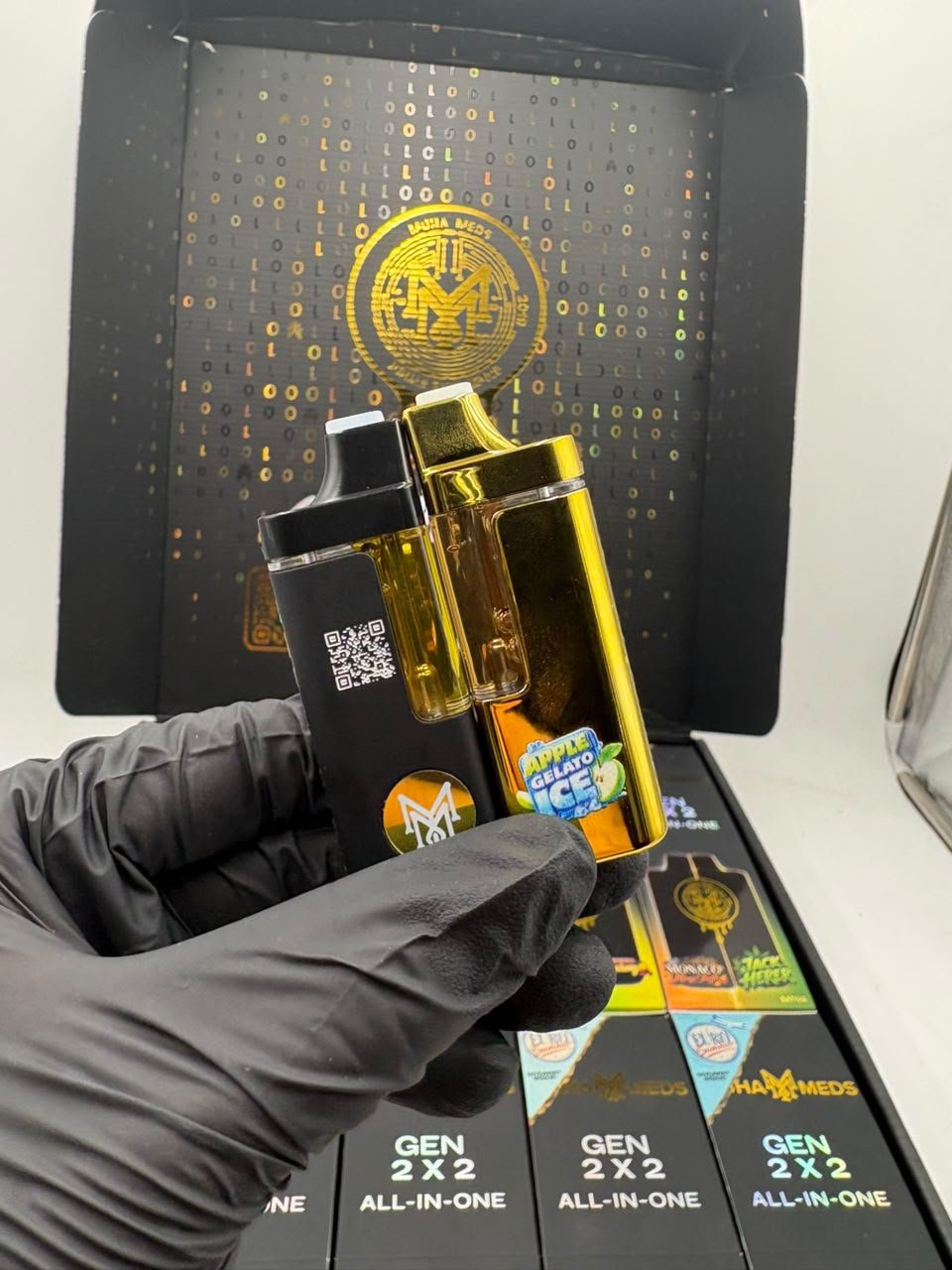
Understanding MUHA MAGNET 4G and Related Search Terms
The phrase MUHA MAGNET 4G appears alongside numerous search terms associated with cannabis cartridges, disposable vaping devices, product generations, flavors, and verification methods. However, the terminology used in online listings should not automatically be interpreted as proof of a product’s identity, ingredients, authenticity, or specifications.
For example, searches such as muha cart, muha med vape, muha thc pen, muha vape pen, muha meds vape, muha meds disposable vape, and muhas disposable may refer to different product formats or may be used inconsistently across websites. Therefore, the exact model should be established through reliable documentation rather than inferred from a keyword or photograph.
Similarly, terms such as muha gen, muha gen2, second gen muha, muha second gen, second gen muha, 2nd gen muha meds, muha third gen, muha 3, v3 muha meds, muha meds gen 3 2g, muha meds gen 4, and new gen muha med should be treated as search phrases until the corresponding model designations have been independently confirmed.
Product Identification and Documentation
A reliable identification process should focus on verifiable information, including:
- The exact model name and product designation.
- Manufacturer or responsible-business details.
- Applicable ingredient disclosures and warnings.
- Batch identifiers and traceability records.
- Relevant laboratory documentation, where available.
- Applicable regulatory information and product restrictions.
Furthermore, names such as first gen muha meds, gen 1 muha dispo, og muha meds, muha 2026, muha meds 2025, and newest muha should not be used to establish a product’s age or release date without supporting records.
Muha Meds Verification and Authenticity Questions
Product verification is an important consideration whenever a listing includes claims about authenticity or manufacturing origin. Searches for muha meds verify, muha scanner, muha meds scan, muha meds legit, muha meds official, muha meds com, muhamed com, and muhamed may indicate that readers are looking for official identification resources.
Nevertheless, a website address, QR code, package design, or printed serial number should not be regarded as conclusive evidence of authenticity by itself. Verification should be conducted through an independently established, appropriate source.
Searches such as muha meds fake, muhas med, muha med., muha meds box, and muha mefs may also reflect uncertainty about product naming, packaging, or legitimacy. In such cases, differences should be investigated rather than explained through assumptions.
What Should Be Checked?
Before relying on a product claim, the following details should be reviewed:
- Identity: Does the product name match the relevant documentation?
- Traceability: Can the batch or lot information be independently checked?
- Documentation: Does the available report identify the exact item?
- Labeling: Are the ingredient disclosures and required warnings present?
- Consistency: Do the product description and supporting records agree?
A professional-looking package cannot guarantee genuine contents. Likewise, a laboratory report for one batch cannot automatically establish the composition of another.
Cartridges, Disposable Devices, and Product Formats
Various search phrases refer to different possible device formats. These distinctions should be established from reliable specifications instead of being assumed from the wording used in a listing.
Examples include muha med cartridge, muha meds thca cart, muha meds thc vape, muhas weed pen, muha thc vape, muha meds all in one disposable, muha c meds all in one, muha meds all in one 2g, and muha meds new disposable.
Other terms, including muha screw ons, muha meds screw on, muha switches, and dual muha, may be used in discussions about device configurations. Their precise meanings should be verified for the particular model.
The same caution applies to muha meds with screen, muha with screen, muha with screen, and muha meds dual flavor. A screen, flavor designation, or device configuration should not be claimed as a confirmed feature without evidence for the exact item.
Capacity and Model Specifications
Searches may include 2 gram muha meds, 3g muha meds, 3g muhas, 4g muha, 10 gram muha, 10 g muha, and muha med 3.5g. Other related phrases include muha med 3.5, muha 3.5 gram, muha meds 3.5 g disposable, muha meds 3.5g disposable, muha meds live resin disposable 3.5 g, and muha meds melted diamonds disposable 3.5g.
These numerical designations should not be treated as verified net contents or measurements without accurate labeling and supporting documentation. In particular, a number in a search phrase may describe a claimed product size rather than a confirmed specification.
Flavor Names and Descriptive Terminology
Flavor-related search terms may be used to locate product listings, discuss packaging, or identify reported variations. However, a flavor name does not establish the actual ingredients, composition, or quality of a product.
Examples from the supplied keyword list include muha meds new flavors 2025, muha new flavors, muha new gen flavors, muha 3rd gen flavors, muha meds cherry grapefruit, bubblegum muha meds, muha meds bubblegum burst, bubblegum burst muha meds, blue slushie muha med, muha meds blue zushii, muha meds blueberry cookies, and muha meds mango madness.
Additional phrases include muha galactic diesel, galactic diesel strain, summer muha, muha dual flavor, 2 flavor muha, muha meds dual flavor, and muha new flavors.
Each term should be connected to a specific, documented product before it is presented as an official flavor or formulation. Moreover, names such as blue zushii and blue slushie should not be assumed to describe the same item.
Why Flavor Claims Need Verification
Flavor terminology can be inconsistent across sellers and product categories. Consequently, descriptive wording should be distinguished from a confirmed ingredient list.
A responsible product information page should avoid unsupported statements about purity, potency, effects, or composition. Where ingredient information is unavailable, that limitation should be stated clearly.
Cannabis Formulations and Related Search Phrases
Some searches refer to particular cannabis ingredients or formulation categories. These include muha meds live resin disposable, live resin muha meds, muha meds thcp, muha meds thca cart, muha meds delta 9, muha meds hemp, muha meds melted diamonds disposable 3.5g, and indica muhas.
Related queries include indica muha, indica muha meds, muha meds mambas, muha meds mates, muha mates pre rolls, and muha med pre rolls.
These terms should not be treated as interchangeable. Different ingredients and product categories may be subject to different testing requirements, labeling rules, and legal restrictions.
Likewise, the word indica should not be used to make unsubstantiated health or effect claims. Reliable documentation should be consulted before a product’s composition or classification is described.
Bulk Packaging and Pricing-Related Queries
Searches involving packaging quantities or prices may include 100 pc muha box, muha 100 pc, muha meds 100 pack price, muha meds 10 pc, muha 10 pc, muha meds 10 pack price, and muha 10 gram.
Other related phrases include big muha and muha mates.
These search terms do not establish that a particular package configuration exists, that a stated quantity is accurate, or that a price is current. Product quantities and commercial claims should be supported by appropriate documentation.
Additionally, bulk distribution of cannabis-related products may be subject to licensing, age restrictions, and other legal requirements. Any published information should reflect the rules applicable to the relevant jurisdiction.
Frequently Asked Questions
What is MUHA MAGNET 4G?
The name is associated with searches for cannabis-related vaping products. The precise identity, contents, and specifications of a particular item should be verified using reliable documentation.
How can Muha Meds authenticity be checked?
Relevant manufacturer information, traceability records, and applicable independent testing documentation should be reviewed. A QR code or package design alone does not prove authenticity.
Are all Muha product generations interchangeable?
No such assumption should be made. Product names, generation labels, capacities, and device configurations need to be confirmed against the relevant model documentation.
Do flavor names confirm ingredients?
No. Flavor names are descriptive labels and cannot substitute for an ingredient disclosure or laboratory analysis.
Are online listings sufficient proof of product legitimacy?
No. Online descriptions may contain errors or unverified claims. Independent verification is more dependable than repetition across multiple listings.
Conclusion
A useful MUHA MAGNET 4G information page should prioritize accurate identification, transparent documentation, and responsible communication. Although related search phrases may help explain what readers are looking for, they should not be treated as proof of product availability, authenticity, ingredients, or specifications.
Ultimately, reliable content is established through evidence rather than repetition. Clear headings, relevant terminology, and careful verification can help readers distinguish documented information from claims that remain uncertain.
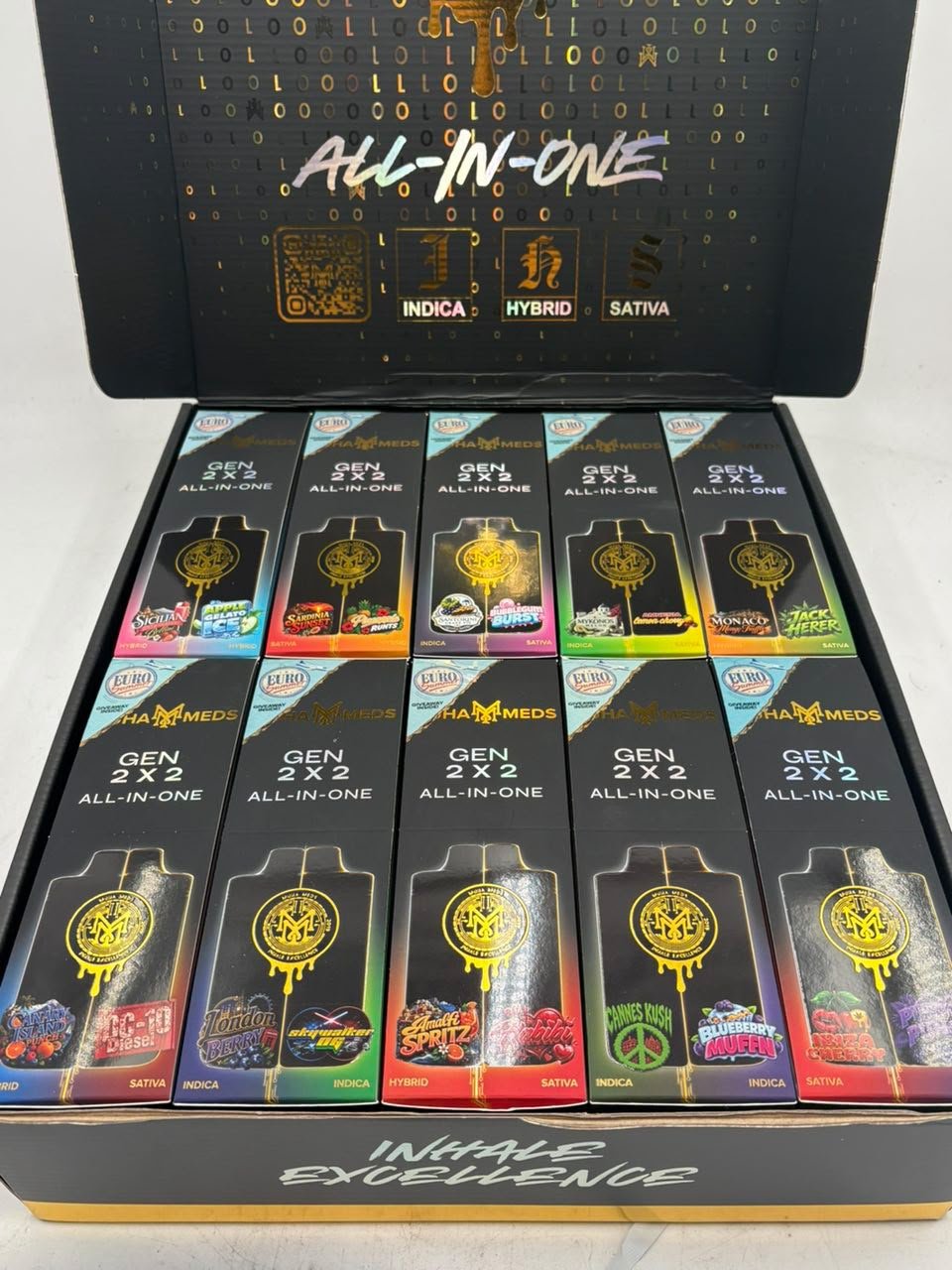
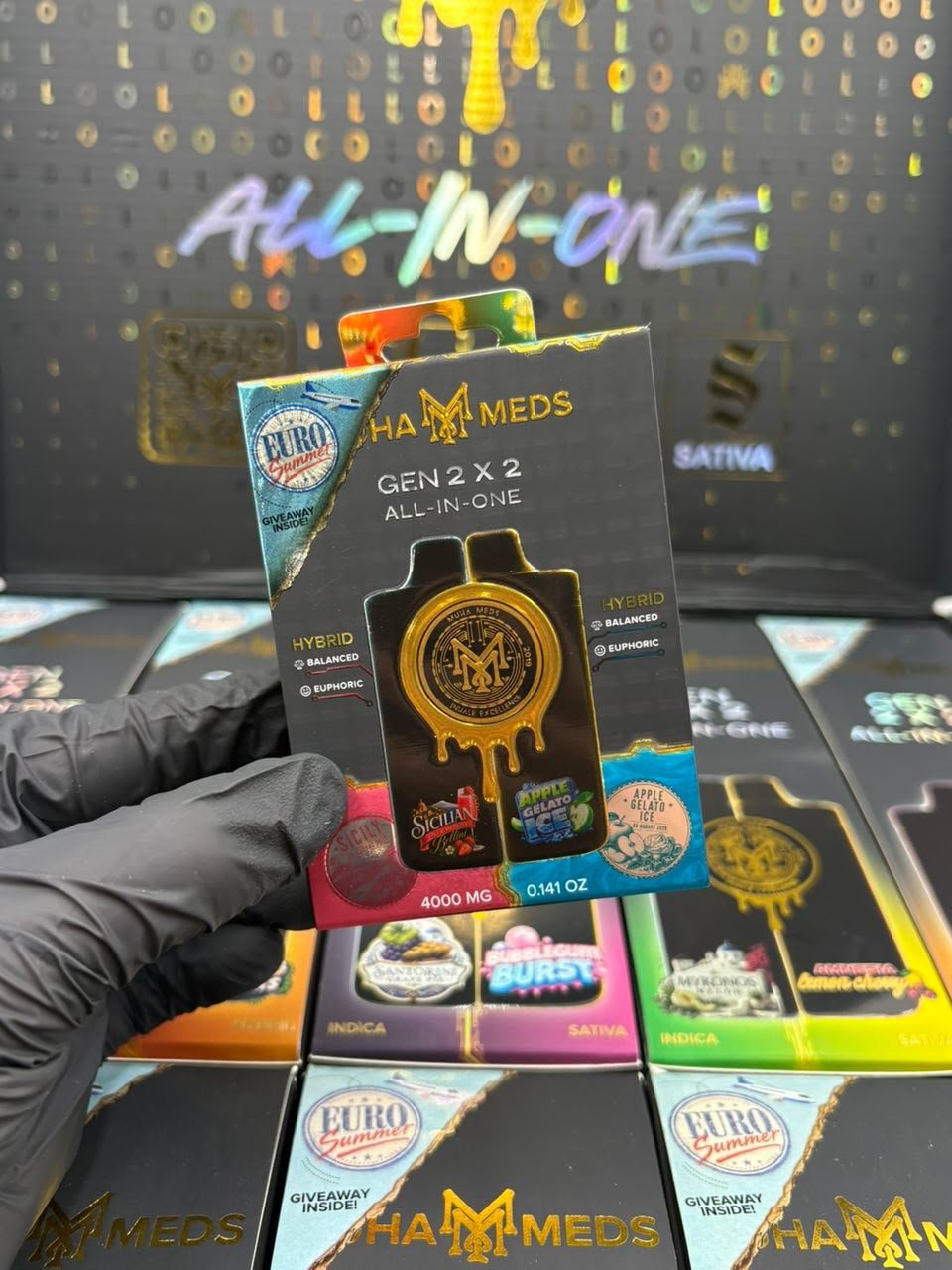
| FLAVORS | SICILIAN SUNSET, APPLE GELATO ICE, SARDINIA SUNSET, GO RUNTZ, BLUEBERRY BURST, MONACO, JACK HERER, SANTORINI ISLAND PUNCH, LONDON BERRY, SKYWALKER OG, AMALFI SPRITZ, CANNES KUSH, BLUEBERRY MUFFIN, 10 PK (MIXED FLAVORS), 10 PK (MIXED FLAVORS), 25 PK (MIXED FLAVORS), 50 PK (MIXED FLAVORS), 100 PK (MIXED FLAVORS) |
|---|
Be the first to review “MUHA MAGNET 4G”
Related products
DISPOSABLE
DISPOSABLE
DISPOSABLE

DISPOSABLE
DISPOSABLE
DISPOSABLE
Reviews
There are no reviews yet.