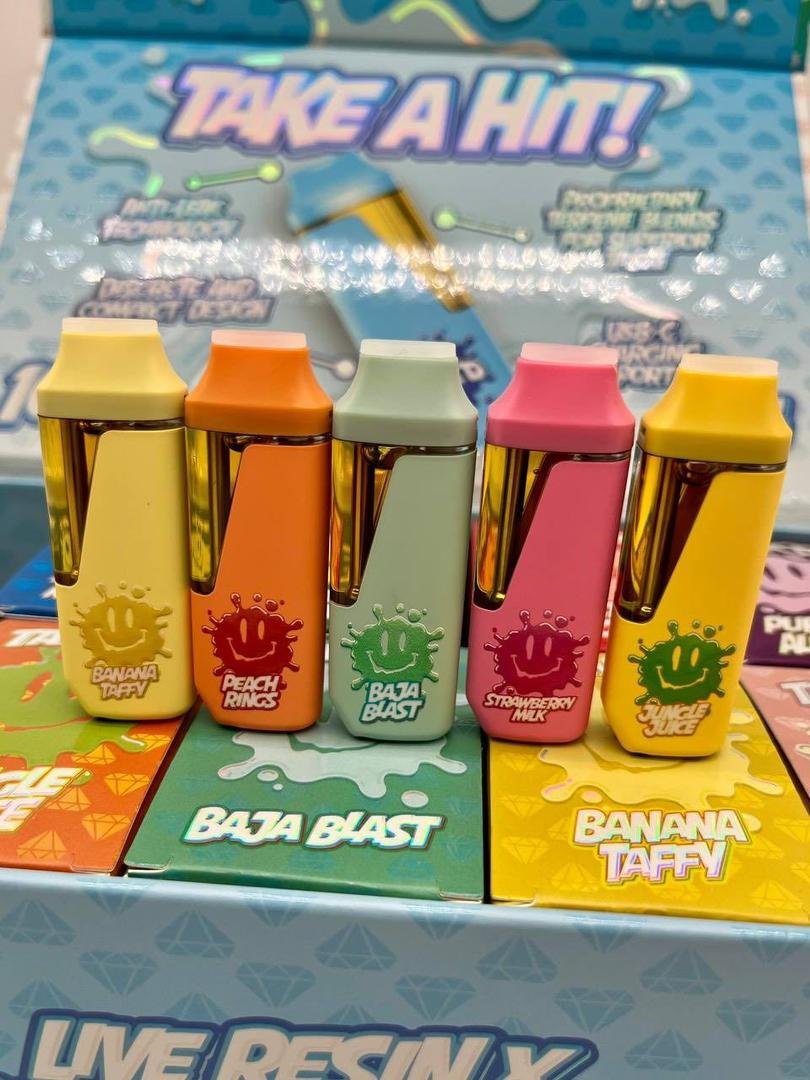
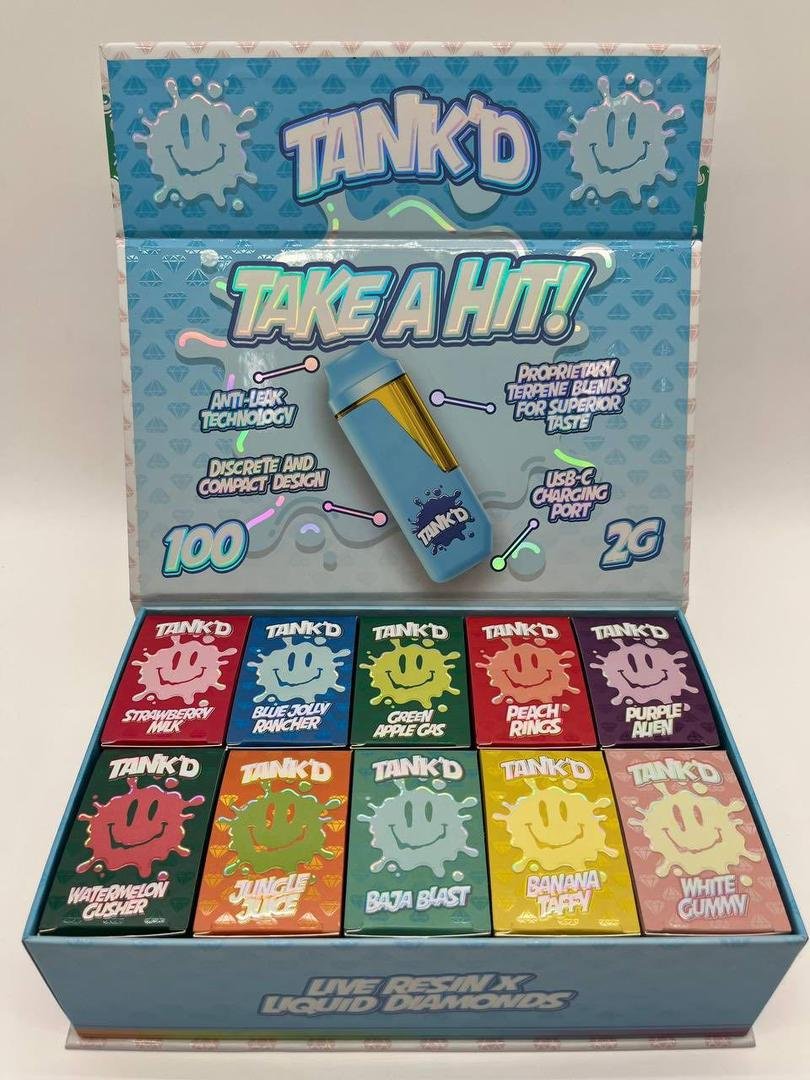

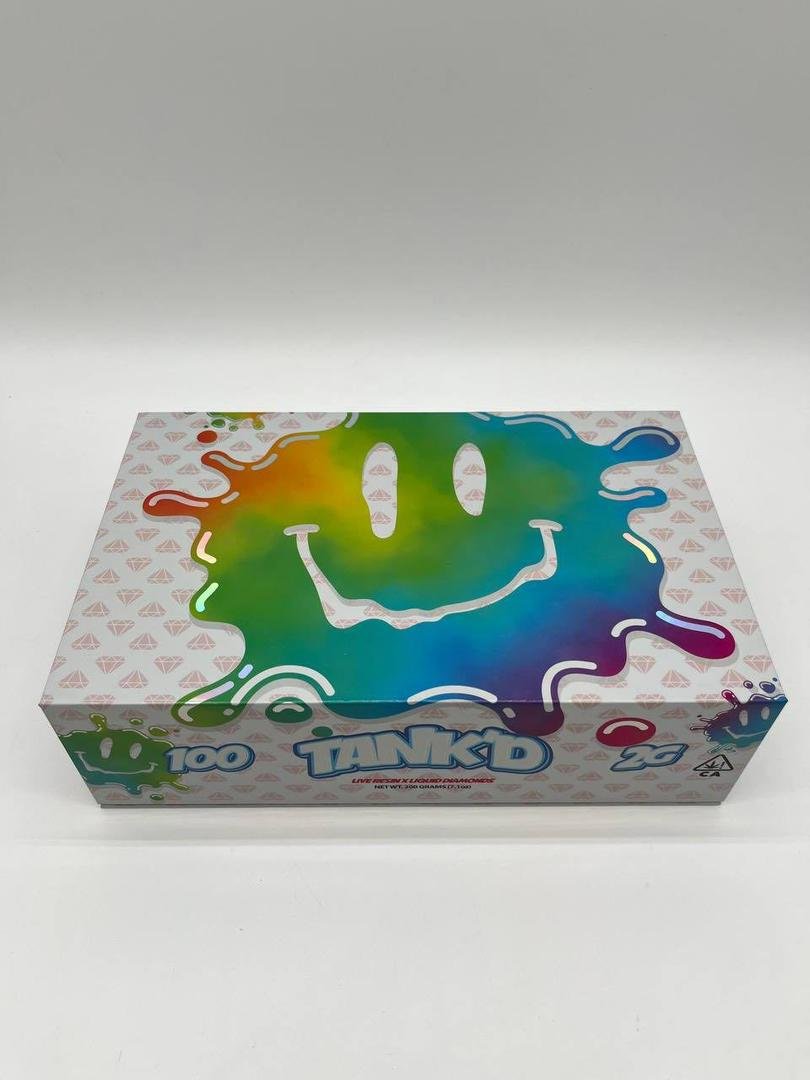


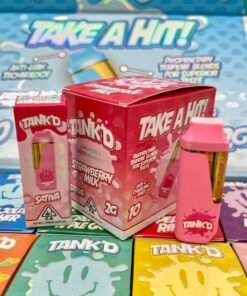
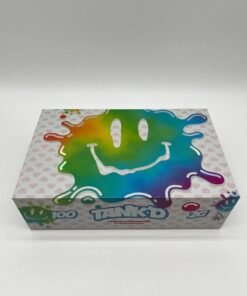
TANK’D 2G DISPOSABLE LIVE RESIN X LIQIUD DIAMONDS
Price range: $25.00 through $1,500.00
Elevate your cannabis experience with TANK’D 2G Disposable Live Resin x Liquid Diamonds, a premium vape that fuses cutting-edge extraction technology with authentic plant craftsmanship. Designed for both potency and flavor, TANK’D brings together fresh-frozen Live Resin and crystalline Liquid Diamonds, delivering a high that is simultaneously powerful, smooth, and full-bodied.
Tankd 2G Disposable
TANK’D 2G Disposable Live Resin x Liquid Diamonds
Product Overview
TANK’D 2G Disposable Live Resin x Liquid Diamonds is a pre-filled vaporization device that combines live resin extract with liquid diamond concentrate. The product is designed as an all-in-one disposable format, meaning no separate battery, charging cable, or cartridge installation is required before use.
Live resin is a cannabis-derived extract produced from freshly harvested plant material that is preserved before extraction. This process is intended to retain a broader range of naturally occurring compounds, including cannabinoids and terpenes.
Liquid diamonds refer to highly refined cannabinoid concentrates that are often formulated to achieve elevated cannabinoid purity levels. When combined with terpene-rich live resin, the resulting formulation may provide a different chemical profile compared with products made from distillate alone.
Key Characteristics
- Disposable all-in-one device
- 2-gram concentrate capacity
- Live resin formulation
- Liquid diamond concentrate blend
- Pre-filled and pre-assembled design
- Portable format
- No cartridge replacement required
- Intended for adult consumers where permitted by law
Understanding Live Resin
Live resin is commonly distinguished from other extract types through the use of freshly preserved plant material. Because terpene preservation is emphasized during production, live resin products are often discussed in relation to aroma and flavor characteristics.
Potential characteristics associated with live resin formulations include:
- Preservation of naturally occurring terpenes
- Complex cannabinoid profiles
- Distinct aromatic properties
- Extract-specific flavor profiles
Understanding Liquid Diamonds
Liquid diamonds are generally created through advanced extraction and refinement processes. The concentrate is typically composed of highly purified cannabinoids combined with terpene fractions to create a vaporization-ready formulation.
Common characteristics include:
- High cannabinoid purity
- Refined concentrate consistency
- Compatibility with vaporization devices
- Integration with terpene-rich extracts
Device Design
The disposable format is intended to simplify operation by integrating the battery and concentrate reservoir into a single unit. Users do not need to purchase separate hardware components for basic functionality.
Features may include:
- Compact construction
- Integrated battery system
- Draw-activated operation
- Portable design
- Pre-filled concentrate chamber
Storage Considerations
For product preservation, storage recommendations may include:
- Keeping the device in a cool environment
- Avoiding direct sunlight
- Protecting the device from excessive heat
- Storing upright when possible
- Keeping out of reach of children and pets
Important Information
This product contains cannabis-derived ingredients. Availability, legality, and permitted use vary by jurisdiction. Consumers should review local laws and regulations before purchasing, possessing, or using cannabis-related products.
Extraction Science, Cannabinoid Profiles, and Device Technology
The Relationship Between Cannabinoids and Terpenes
Within cannabis-derived extracts, attention is often directed toward two major categories of naturally occurring compounds: cannabinoids and terpenes. Although these compounds differ significantly in chemical structure and biological activity, they are frequently discussed together because both contribute to the overall composition of an extract.
Cannabinoids are compounds produced by the cannabis plant. Among the most widely recognized cannabinoids are tetrahydrocannabinol (THC), cannabidiol (CBD), cannabigerol (CBG), and cannabinol (CBN). Hundreds of additional cannabinoids and cannabinoid-like compounds continue to be studied as analytical methods become increasingly sophisticated.
Terpenes, by contrast, are aromatic compounds that are not unique to cannabis. Similar compounds are found throughout nature in fruits, herbs, flowers, and trees. Citrus fruits contain limonene, pine trees contain pinene, and lavender contains linalool. These compounds contribute recognizable aromas and flavors across the natural world.
When live resin is discussed, terpene preservation is frequently emphasized. Because freshly harvested plant material is typically used during production, a broader spectrum of aromatic compounds may be retained compared with extraction methods that rely on extensively dried material.
As a result, live resin products are often evaluated according to several characteristics:
- Cannabinoid composition
- Terpene composition
- Aromatic profile
- Flavor characteristics
- Extract consistency
- Manufacturing methodology
These variables can differ considerably from one production batch to another, even when products originate from the same cultivar.
What Makes Live Resin Different?
The term “live resin” refers primarily to the starting material and extraction approach rather than to a specific cannabinoid concentration.
Traditional extraction processes often begin with dried and cured plant material. During drying and curing, some volatile aromatic compounds may naturally dissipate over time.
Live resin production typically involves preserving plant material shortly after harvest. This preservation process is intended to reduce degradation of sensitive compounds before extraction occurs.
Several objectives are commonly associated with live resin manufacturing:
Preservation of Volatile Compounds
Certain terpenes are highly volatile. Exposure to heat, oxygen, and light may alter their concentration over time.
By processing preserved material, manufacturers aim to retain a broader representation of naturally occurring compounds.
Retention of Complex Aromas
Cannabis varieties can exhibit highly diverse aromatic characteristics.
Examples may include notes described as:
- Citrus-like
- Fruity
- Floral
- Herbal
- Earthy
- Pine-like
- Sweet
- Spicy
These descriptors are commonly used within laboratory analysis and consumer discussions to characterize terpene expression.
Broader Chemical Representation
Some producers view live resin as a means of preserving a wider range of compounds from the source material.
Rather than focusing exclusively on cannabinoid concentration, attention may also be directed toward the overall chemical profile. boutiq switch v4
Understanding Liquid Diamonds
Liquid diamonds represent another category of cannabis concentrate that has received substantial attention within the extraction industry.
The term generally refers to highly refined cannabinoid concentrates that have undergone additional purification processes.
In many manufacturing environments, cannabinoids may be isolated and refined until exceptionally high purity levels are achieved.
The resulting concentrate may then be blended with terpene fractions to create a vaporization-ready formulation.
Several reasons explain the popularity of liquid diamond formulations:
High Cannabinoid Purity
Liquid diamonds are often associated with highly refined cannabinoid content.
Advanced refinement procedures can remove various impurities while concentrating specific cannabinoids.
Consistent Formulation
Manufacturers frequently seek consistency between production batches.
Standardized refinement processes can assist in achieving predictable cannabinoid measurements.
Compatibility With Vaporization Systems
Refined concentrates can be engineered for compatibility with disposable devices and cartridge systems.
Viscosity, flow characteristics, and stability are all considered during formulation. vpe store, good vape sites, nord vapes, vape rta
Why Combine Live Resin and Liquid Diamonds?
The combination of live resin and liquid diamonds is often described as an attempt to balance different extract characteristics.
While live resin is frequently discussed in relation to terpene preservation, liquid diamonds are frequently discussed in relation to cannabinoid refinement.
By combining these materials, manufacturers may seek to create formulations that incorporate elements of both extraction approaches.
Discussions surrounding these blends often focus on:
- Cannabinoid content
- Terpene content
- Chemical complexity
- Formulation stability
- Vaporization performance
Because production methods differ among manufacturers, formulations can vary substantially.
No universal formula exists across the industry. polka pens, valyrian 2 coils, salt vape, smok ta coils
Laboratory Testing and Quality Control
Modern cannabis manufacturing frequently incorporates laboratory analysis.
Testing procedures may be used to evaluate:
Cannabinoid Concentration
Analytical instruments can identify and quantify major cannabinoids.
Results are often reported as percentages or milligrams.
Terpene Composition
Laboratories may identify numerous terpenes present within a sample.
Reports can provide detailed breakdowns of aromatic compounds.
Residual Solvent Analysis
When solvents are used during extraction, testing may be conducted to verify compliance with applicable standards.
Contaminant Screening
Depending on local regulations, testing may include:
- Heavy metals
- Microbial contaminants
- Pesticides
- Residual solvents
- Foreign materials
These procedures contribute to quality assurance programs implemented by licensed producers. mrkt plce vape juice, smok nord coil, smok novo 4 kit
Components of a Disposable Vaporization Device
A disposable vaporizer is composed of multiple interconnected components.
Although designs vary, several elements are commonly present.
Battery
The battery serves as the device’s power source.
Most disposable devices utilize rechargeable or non-rechargeable lithium-based battery technology.
Battery capacity can influence operating duration and overall device lifespan.
Heating Element
The heating element converts electrical energy into heat.
This component is responsible for vaporizing the concentrate during operation.
Different manufacturers may use:
- Ceramic systems
- Quartz systems
- Metal coil systems
- Hybrid heating designs
Each approach presents unique engineering considerations.
Reservoir
The reservoir stores the concentrate formulation.
Material selection is important because chemical compatibility can affect product stability.
Airflow System
Airflow pathways direct vapor from the heating chamber toward the mouthpiece.
Engineers often evaluate airflow resistance during product development.
Mouthpiece
The mouthpiece provides the final interface between the device and the user.
Design priorities may include comfort, durability, and airflow optimization.
Battery Technology in Modern Devices
Battery performance represents a significant aspect of disposable device engineering.
Several design considerations commonly influence development.
Capacity
Battery capacity is generally measured in milliamp-hours (mAh).
Higher capacity may support longer operational periods.
Voltage Regulation
Some devices incorporate systems designed to regulate voltage output.
Consistent power delivery may contribute to predictable heating performance.
Charging Systems
Rechargeable disposable devices have become increasingly common.
Manufacturers may incorporate charging ports to extend usability.
Safety Features
Modern battery systems may include protective mechanisms such as:
- Short-circuit protection
- Overcharge protection
- Temperature monitoring
- Power regulation systems
These features are intended to enhance operational reliability.
Heating Technology and Vapor Production
The heating system is among the most important engineering aspects of a vaporization device.
Different technologies influence how concentrates are vaporized.
Ceramic Heating Systems
Ceramic components are frequently used because they can distribute heat relatively evenly.
This characteristic may assist in minimizing localized overheating.
Quartz Heating Systems
Quartz-based systems are valued by some manufacturers for rapid heat transfer characteristics.
Coil-Based Designs
Traditional coil designs remain widely utilized throughout the industry.
Engineering variations may affect heating efficiency and concentrate utilization.
Temperature Considerations
Excessive temperatures can alter chemical compounds during vaporization.
For this reason, manufacturers often evaluate temperature control strategies during product development.
Packaging and Product Preservation
Packaging serves multiple functions beyond branding and identification.
Proper packaging may assist in:
- Product protection
- Information disclosure
- Regulatory compliance
- Child-resistance requirements
- Storage stability
Packaging materials are selected according to durability and compatibility considerations.
Manufacturing Processes, Terpene Science, Storage Practices, Regulatory Considerations, and Industry Terminology
Introduction to Modern Concentrate Manufacturing
The production of cannabis concentrates has evolved significantly over the last decade. Improvements in extraction equipment, laboratory analysis, environmental controls, and quality assurance systems have contributed to increasingly sophisticated manufacturing processes. As consumer interest in concentrate-based products has grown, producers have invested heavily in technologies designed to improve consistency, purity, and reproducibility.
Products that combine live resin and liquid diamond concentrates often represent the intersection of multiple manufacturing disciplines. Cultivation, harvesting, preservation, extraction, purification, formulation, testing, packaging, and distribution all contribute to the final product.
Each stage introduces variables that can influence the chemical composition of the concentrate. Consequently, understanding how concentrates are manufactured requires examining the complete production chain rather than focusing solely on the final formulation.
From Cultivation to Extraction
Before extraction begins, cultivation practices play a critical role in determining the chemical profile of the source material.
Numerous environmental factors can influence plant development, including:
- Genetics
- Soil composition
- Nutrient availability
- Water quality
- Temperature
- Humidity
- Light intensity
- Harvest timing
Because cannabinoids and terpenes are naturally produced by the plant, cultivation decisions can directly affect the concentration and diversity of these compounds.
As a result, many producers devote substantial resources to environmental monitoring and crop management.
Harvest Timing and Chemical Development
Harvest timing is frequently regarded as one of the most important variables in cannabis production.
During maturation, cannabinoid and terpene levels may continue to change.
Harvesting too early may produce different chemical characteristics than harvesting at peak maturity.
Harvesting later may also alter cannabinoid ratios and terpene concentrations.
Because chemical development occurs continuously throughout the growth cycle, cultivation teams often monitor plant maturity carefully before determining harvest schedules.
Laboratory sampling may also be incorporated into decision-making processes.
Fresh Frozen Material and Preservation Techniques
Live resin production commonly begins with freshly harvested plant material.
Rather than undergoing traditional drying and curing procedures, the harvested material may be preserved shortly after collection.
The preservation process is intended to reduce degradation of sensitive compounds.
Several objectives may be associated with preservation:
- Minimization of terpene loss
- Reduction of oxidation
- Maintenance of chemical integrity
- Stabilization of plant material
- Preparation for extraction
Because aromatic compounds can be particularly sensitive to environmental exposure, preservation strategies are often viewed as a defining characteristic of live resin production.
Extraction Methodologies
Extraction refers to the process of separating desirable compounds from plant material.
Various extraction methods exist within the cannabis industry.
Each method presents unique advantages and limitations.
Hydrocarbon Extraction
Hydrocarbon extraction utilizes specific solvents to dissolve cannabinoids and terpenes from plant material.
Following extraction, purification procedures are performed to remove residual solvents and isolate desired compounds.
This method is commonly associated with terpene-rich extracts.
Carbon Dioxide Extraction
Carbon dioxide extraction uses pressurized CO₂ under carefully controlled conditions.
Adjustments to temperature and pressure can influence extraction behavior.
This approach is frequently discussed in relation to precision and flexibility.
Ethanol Extraction
Ethanol extraction is another widely utilized method.
The process may be adapted for large-scale production environments.
Subsequent refinement steps are often required to remove unwanted materials.
Emerging Technologies
Research continues into additional extraction approaches.
Manufacturers regularly evaluate methods intended to improve:
- Efficiency
- Purity
- Selectivity
- Sustainability
- Scalability
Technological advancement remains an ongoing area of development throughout the industry.
Post-Extraction Refinement
Once extraction is completed, the resulting material may undergo additional refinement.
Refinement procedures are designed to improve purity, stability, and consistency.
Common objectives include:
- Removal of impurities
- Concentration of cannabinoids
- Separation of unwanted compounds
- Improvement of product clarity
- Standardization of formulations
The extent of refinement varies according to product type.
Crystallization and Diamond Formation
The term “diamonds” originates from the crystalline appearance that can develop during certain refinement processes.
Under controlled conditions, cannabinoids may form crystal structures.
These crystals can then be isolated and further processed.
Several variables influence crystallization:
- Temperature
- Pressure
- Solvent composition
- Time
- Cannabinoid concentration
Because crystallization requires careful control, manufacturers often employ specialized equipment and monitoring systems.
The resulting material may subsequently be incorporated into liquid diamond formulations.
Formulation Science
Formulation involves combining ingredients to achieve desired physical and chemical characteristics.
In products containing both live resin and liquid diamonds, formulation teams may evaluate numerous variables.
These variables can include:
- Cannabinoid concentration
- Terpene concentration
- Viscosity
- Stability
- Vaporization behavior
- Shelf-life performance
Achieving consistency often requires extensive testing and optimization.
Small adjustments may significantly influence product performance. flying horse disposable 5g, vape disposables, niq pearl vape
Understanding Terpene Science
Terpenes represent one of the most widely discussed categories of compounds found in cannabis.
Although terpenes are often associated with aroma, their significance extends beyond fragrance alone.
Thousands of terpene compounds have been identified throughout nature.
Only a subset commonly appears in cannabis.
Examples include:
Myrcene
Myrcene is frequently identified in many cannabis varieties.
It is also present in several non-cannabis plants.
Limonene
Limonene is commonly associated with citrus aromas.
The compound can also be found in oranges, lemons, and other citrus fruits.
Pinene
Pinene contributes pine-like aromatic characteristics.
The compound occurs naturally in coniferous trees.
Linalool
Linalool is often associated with floral aromas.
Lavender represents one well-known source of this terpene.
Caryophyllene
Caryophyllene contributes spicy and pepper-like aromatic qualities.
The compound is also present in black pepper and cloves.
Terpene Preservation Challenges
Maintaining terpene content can be challenging because many terpenes are volatile.
Exposure to environmental conditions may influence terpene stability.
Factors that can affect preservation include:
- Heat
- Oxygen
- Light
- Humidity
- Storage duration
Consequently, manufacturers often implement protective measures throughout production.
These measures may involve specialized packaging, environmental controls, and optimized handling procedures. caliburn gk3, smok t air coils
Analytical Testing and Chemical Profiling
Modern laboratories utilize sophisticated analytical instruments capable of identifying numerous compounds within cannabis extracts.
Testing procedures may evaluate:
Cannabinoid Profiles
Laboratories may quantify major and minor cannabinoids.
Results can provide detailed chemical information.
Terpene Profiles
Terpene analysis can reveal the relative abundance of aromatic compounds.
Profiles often vary substantially between products.
Contaminant Screening
Quality assurance programs may include testing for:
- Heavy metals
- Microbial contamination
- Pesticides
- Residual solvents
- Foreign materials
Stability Evaluation
Long-term testing may assess how formulations perform during storage.
Such evaluations can help establish expiration dates and recommended storage conditions. e-liquids, muffins pre rolls, nord5
Product Stability and Shelf Life
Shelf life refers to the period during which a product maintains acceptable quality characteristics.
Numerous factors influence stability.
These factors may include:
- Temperature
- Light exposure
- Oxygen exposure
- Packaging materials
- Formulation composition
Manufacturers frequently conduct stability studies to better understand product performance over time. frozen fruit monster, juice head strawberry kiwi
Proper Storage Practices
Storage recommendations are often designed to preserve product quality.
Common recommendations may include:
Avoid Excessive Heat
Elevated temperatures may accelerate chemical degradation.
Temperature control can therefore contribute to product preservation.
Limit Light Exposure
Ultraviolet radiation may affect certain compounds.
Protective packaging is frequently used to minimize exposure.
Maintain Dry Conditions
Excess moisture may create undesirable storage conditions.
Dry environments are generally preferred.
Follow Manufacturer Instructions
Specific products may include storage guidance developed through stability testing.
These recommendations are intended to support product quality throughout the stated shelf life. freemax m pro 3, 0 nic disposable vape, smok novo 4 mini
Understanding Industry Terminology
The cannabis industry utilizes numerous technical terms that may be unfamiliar to new consumers.
Understanding terminology can assist in interpreting product information and laboratory reports.
Cannabinoids
Naturally occurring compounds produced by cannabis plants. vape pod for sale, freemax twister, bear pen battery
Terpenes
Aromatic compounds found in cannabis and many other plant species.
Concentrate
A product in which specific compounds have been extracted and concentrated.
Live Resin
An extract produced using preserved plant material rather than traditionally dried material.
Diamonds
Crystalline cannabinoid structures produced through refinement and crystallization processes.
Distillate
A highly refined concentrate produced through specialized purification techniques.
Full-Spectrum
A term often used to describe products containing multiple naturally occurring compounds.
Broad-Spectrum
A formulation containing a range of compounds while excluding specific components.
Batch Number
A unique identifier used for production tracking and quality control. smok vape price, freemax tanks, aegis boost 3
Regulatory Considerations
Cannabis regulations vary substantially among jurisdictions.
Consequently, manufacturing requirements may differ significantly between regions.
Regulatory frameworks may address:
- Licensing
- Testing standards
- Packaging requirements
- Labeling requirements
- Advertising restrictions
- Distribution controls
- Consumer safety measures
Because regulations continue to evolve, compliance remains a major focus for producers. monster vape juice, mod kits, rpm .3 coil
Packaging Requirements
Packaging regulations frequently emphasize safety and transparency.
Requirements may include:
- Ingredient disclosure
- Warning statements
- Child-resistant features
- Product identification
- Laboratory information
- Manufacturing details
These measures are intended to provide consumers with access to important product information. vape, niq vape, vuse all in one kit price, e-liquid vape juice
Quality Assurance Systems
Quality assurance encompasses the policies and procedures used to maintain manufacturing consistency.
A comprehensive quality assurance program may include:
- Equipment calibration
- Employee training
- Laboratory verification
- Documentation systems
- Production monitoring
- Corrective action procedures
Through these practices, manufacturers seek to reduce variability and support product reliability. hawaiian pog vape juice, pyne pods, most popular disposable
Future Directions in Concentrate Technology
Research and development efforts continue to shape the future of concentrate production.
Areas of ongoing interest include:
- Improved extraction efficiency
- Enhanced terpene retention
- Advanced purification methods
- Greater formulation stability
- Sustainable manufacturing practices
- Expanded analytical capabilities
As scientific understanding grows, production methods may continue to become increasingly sophisticated.
New technologies may provide greater insight into cannabinoid interactions, terpene preservation, product stability, and manufacturing consistency. boutiq switch price, box mod batteries, raz vape no nicotine
Conclusion
The production of concentrates that combine live resin and liquid diamonds involves multiple stages of cultivation, preservation, extraction, refinement, formulation, testing, and packaging. Each stage contributes to the chemical composition and physical characteristics of the final product.
Device Engineering, Battery Systems, Consumer Education, Market Evolution, Research Trends, and Frequently Asked Questions
Introduction to Device Engineering in Vaporization Systems
Modern vaporization devices are the result of interdisciplinary engineering efforts that combine principles from electrical engineering, materials science, thermodynamics, and fluid dynamics. Disposable systems, in particular, are designed to integrate multiple functional components into a single sealed unit while maintaining consistent performance across the product’s lifespan.
In products that utilize refined cannabis concentrates, engineering considerations become especially important because formulation properties such as viscosity, terpene content, and cannabinoid concentration can influence vaporization behavior.
As a result, device development is typically guided by performance testing, safety standards, and controlled production environments. aegis hero 2, 18650 battery for ecig
Core Components of Disposable Devices
Although disposable vaporization devices may appear simple externally, they consist of several integrated subsystems working in coordination.
Power System
The power system is typically based on lithium-ion or lithium-polymer battery chemistry. These battery types are widely used due to their relatively high energy density and stable discharge characteristics.
Battery systems are designed to:
- Deliver consistent voltage output
- Support heating cycles
- Maintain operational stability
- Prevent electrical failure conditions
Heating Assembly
The heating assembly is responsible for converting electrical energy into thermal energy.
This process is essential for vaporizing cannabis concentrates without combustion.
Common heating materials include:
- Ceramic heating elements
- Metal coil systems
- Quartz-based components
Each material provides different heat distribution properties, which can influence vapor consistency and efficiency. uforce l tank, smok rpm c, smok rpm 85
Reservoir System
The reservoir holds the concentrate formulation.
It is engineered to:
- Prevent leakage
- Maintain structural integrity
- Support consistent flow
- Resist chemical degradation
Material selection is important because concentrates may interact differently with plastics, metals, or ceramics. 510 drip tips, saltnic, naked lava flow flavor
Airflow Channel
The airflow channel guides vapor from the heating element to the mouthpiece.
Design considerations include:
- Resistance level
- Cooling efficiency
- Vapor density
- User draw experience
Airflow geometry can significantly influence perceived performance. pillow talk ice control, naked cuban blend
Mouthpiece Interface
The mouthpiece serves as the final contact point between user and device.
It is designed for:
- Comfort
- Hygiene
- Vapor delivery efficiency
- Heat insulation
Battery Systems and Electrical Performance
Battery technology is a critical factor in disposable device design.
Energy Density
Energy density refers to how much electrical energy can be stored in a given volume.
Higher energy density allows for:
- Longer device lifespan
- More heating cycles
- Improved performance consistency
Voltage Regulation
Voltage regulation systems are used to maintain stable power output.
Without regulation, performance could fluctuate as battery charge decreases.
Regulated systems help ensure:
- Consistent vapor production
- Stable heating temperatures
- Predictable device behavior
Discharge Behavior
Battery discharge curves describe how voltage decreases over time.
Engineers analyze discharge patterns to optimize:
- Coil resistance
- Heating time
- Energy efficiency
Safety Protection Systems
Modern disposable devices often include built-in safety mechanisms such as:
- Overcharge protection
- Over-discharge protection
- Short-circuit prevention
- Thermal cutoff systems
These systems are designed to reduce risk of malfunction under normal operating conditions. freemax mesh pro, muha monkey, smok prince stick
Thermal Engineering and Heat Management
Thermal management plays a major role in vaporization device performance.
Heat must be sufficient to vaporize concentrates but controlled enough to avoid degradation of sensitive compounds.
Heat Distribution
Even heat distribution ensures consistent vaporization.
Uneven heating may result in:
- Incomplete vaporization
- Burnt residue
- Flavor inconsistency
Temperature Optimization
Temperature control is often optimized based on formulation characteristics.
Different compounds vaporize at different temperature ranges, meaning devices must balance efficiency with compound preservation. novo 4 vape, order foger vapes online, morph 2
Heat Retention Materials
Materials such as ceramic are frequently used due to their ability to retain and distribute heat evenly.
Quartz materials may provide rapid heating response but can behave differently in thermal stability.
Device Lifespan and Performance Consistency
Disposable devices are designed for finite usage periods.
Lifespan is influenced by:
- Battery capacity
- Concentrate volume
- Coil efficiency
- User draw frequency
Manufacturers often test devices under controlled conditions to estimate expected usage cycles.
Performance consistency is evaluated across the device’s operational lifespan to ensure that vapor quality remains stable from first use to depletion. nic salt vape, itank t, coils for vape, 3.5 g muha meds
Consumer Education and Product Understanding
Consumer education plays an important role in helping users interpret product characteristics and usage expectations.
Understanding Product Labels
Product packaging may include technical information such as:
- Concentrate type
- Total capacity
- Cannabinoid content
- Batch identifiers
- Manufacturing details
Understanding this information can help users make informed interpretations of product differences. smok nord 2 coils, drag 5, vape pods online, flum online store
Interpreting Concentrate Types
Different concentrate types may exhibit different properties:
- Live resin: typically associated with terpene-rich profiles
- Distillate: often associated with higher cannabinoid refinement
- Diamond-based formulations: often associated with crystallized cannabinoid structures
Each category reflects a different stage of processing and refinement. tfv18, vape accessories online, wenax q pro, vape stpre
Responsible Awareness
Education often includes awareness of legal status, age restrictions, and safe handling practices.
Regulatory compliance varies by jurisdiction, making local law awareness essential. naked cuban, smok rpm 3, nicsalt, off stamp sw9000 kit
Market Evolution and Industry Growth
The cannabis concentrate market has undergone rapid transformation driven by technological innovation and shifting consumer interest.
Early Market Development
Early concentrate products were often less refined and exhibited greater variability in consistency and quality.
Extraction techniques were limited, and laboratory testing was less standardized.
Expansion of Extraction Technology
Advancements in extraction systems enabled:
- Higher purity levels
- Improved terpene retention
- Greater production efficiency
- Scalable manufacturing
These improvements contributed to wider product availability. jewel mint diamond, smok rpm 80, live resin dispo
Rise of Disposable Devices
Disposable vaporization devices became more prominent due to convenience factors.
Their popularity is associated with:
- Ease of use
- Portability
- Integrated systems
- Reduced maintenance requirements
Increasing Standardization
As the industry matures, standardization efforts have increased.
This includes:
- Laboratory testing protocols
- Labeling requirements
- Manufacturing guidelines
- Safety regulations
Research Trends in Cannabis Science
Scientific research continues to expand understanding of cannabis-derived compounds and their behavior in different formulations. kream thc, orion bar 50k, kanger vape
Analytical Chemistry Advances
Modern laboratory techniques enable detection of:
- Trace cannabinoids
- Minor terpenes
- Degradation products
- Contaminants at low concentrations
These advances improve product characterization accuracy.
Interaction Studies
Researchers are increasingly studying interactions between:
- Cannabinoids and terpenes
- Compounds during vaporization
- Thermal degradation pathways
Such studies help improve formulation design.
Stability Research
Ongoing research focuses on how cannabis compounds change over time under different storage conditions. , lp1 coil, vape online stores, nicotine e liquid
Variables studied include:
- Temperature exposure
- Oxygen exposure
- Light exposure
- Packaging effects
Device Performance Research
Engineering research examines:
- Heating efficiency
- Airflow optimization
- Battery performance modeling
- Material compatibility
Environmental Considerations
Environmental sustainability has become an increasing focus within manufacturing sectors, including cannabis extraction.
Energy Usage
Extraction and refinement processes may require significant energy input.
Efforts to reduce consumption include:
- Equipment optimization
- Process efficiency improvements
- Renewable energy integration
Material Waste Reduction
Manufacturers may explore strategies to reduce waste through:
- Recyclable packaging
- Reduced plastic usage
- Improved device design efficiency
Responsible Disposal
Disposable devices contain electronic components and should be handled according to local e-waste guidelines where available. vape pen online, smok g priv, vape mod starter kit
Safety Considerations in Device Use
Safety considerations are incorporated into both design and consumer education.
Electrical Safety
Built-in safeguards are intended to prevent electrical malfunction under normal conditions.
Thermal Safety
Devices are designed to manage heat output within controlled ranges.
Storage Safety
Proper storage is encouraged to reduce exposure to extreme conditions.
Frequently Asked Questions (Educational Context)
What is the difference between live resin and liquid diamonds?
Live resin is typically associated with preserved plant material and terpene-rich extraction, while liquid diamonds are associated with refined cannabinoid crystallization and purification processes.
Why are concentrates combined in formulations?
Combining different concentrate types may allow manufacturers to balance terpene presence with cannabinoid refinement in a single formulation. olit, vape charger, xros 4 nano, thca vape disposable
How do disposable devices function?
Disposable devices integrate a battery, heating system, reservoir, and airflow channel into one sealed unit designed for limited use.
Why does performance vary between devices?
Variation may occur due to differences in formulation, battery output, coil design, and airflow engineering.
Are storage conditions important?
Yes. Temperature, light exposure, and environmental conditions can influence product stability over time. geek vapes, tech temp coils what are vc, blinker cart
Conclusion
Device engineering, battery systems, and formulation science collectively shape the performance of modern vaporization products. Through advances in electrical design, thermal management, extraction technology, and quality control systems, disposable devices have become increasingly standardized and technically refined.
Be the first to review “TANK’D 2G DISPOSABLE LIVE RESIN X LIQIUD DIAMONDS”
Related products
DISPOSABLE
DISPOSABLE
DISPOSABLE
DISPOSABLE

DISPOSABLE
DISPOSABLE
DISPOSABLE
Reviews
There are no reviews yet.